Iran-Oman Strait of Hormuz deal in final stages, joint statement imminent
Synopsis
Iran says it has agreed on navigation coordinates with Oman for a new Strait of Hormuz corridor, with a joint statement in final drafting — but Oman has not publicly confirmed, the US has been deliberately excluded, and two American-set deadlines for reopening have already passed. The world's most critical oil chokepoint remains closed.
Key Takeaways
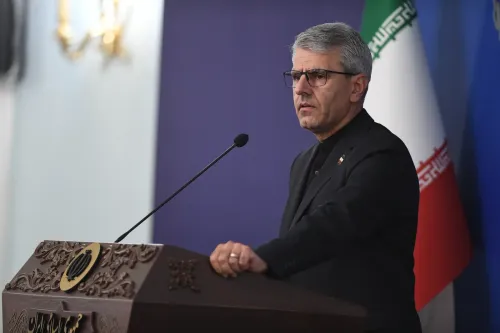
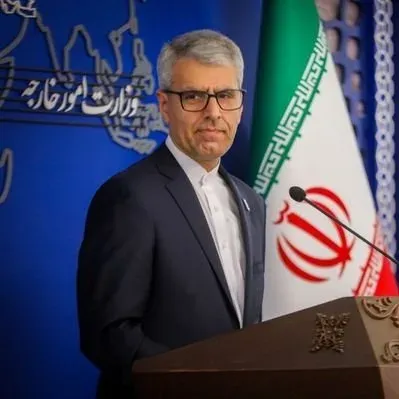
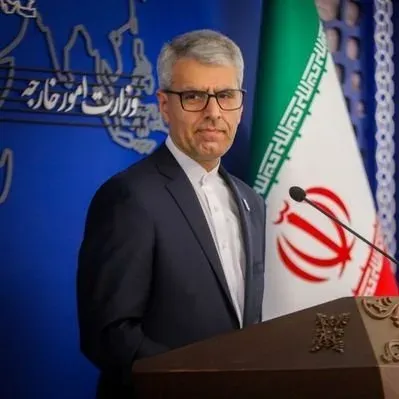
Iran's Foreign Ministry Spokesperson Esmaeil Baqaei confirmed on 6 August that Tehran and Muscat have agreed on geographic coordinates for a Strait of Hormuz navigation route.
A joint statement is in the final stages of review and drafting , according to Tehran ; Oman has not publicly confirmed.
The proposed corridor would give Iran oversight of inbound traffic, with both countries charging a service fee (not a toll) for transit facilitation.
The arrangement excludes the United States ; Tehran says no third country was involved in negotiations.
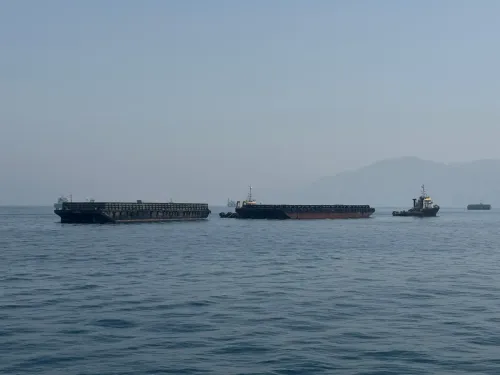
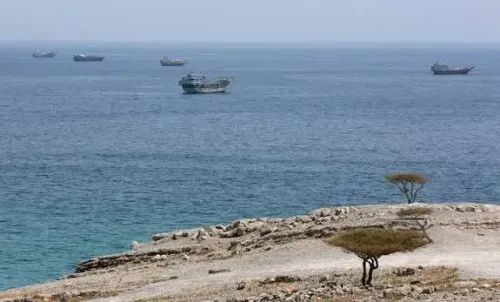
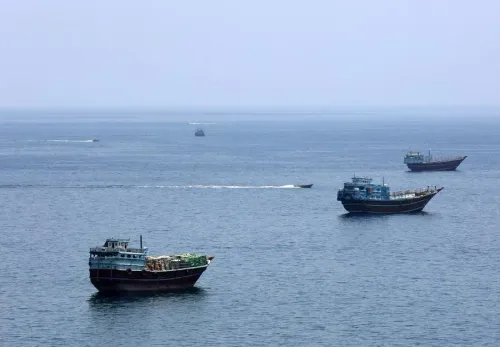
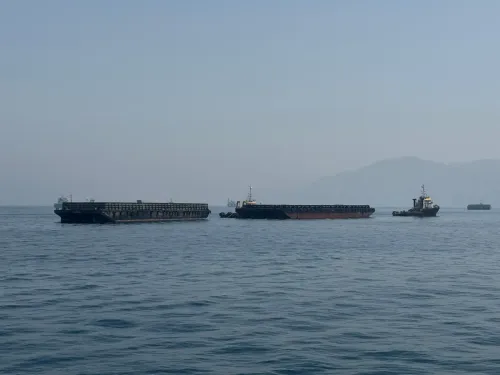
The strait has been largely closed since February following bombing by Israel and the US , disrupting roughly 20 per cent of global petroleum and gas traffic.
US-set deadlines for reopening — Tuesday and Wednesday — both passed without any opening.
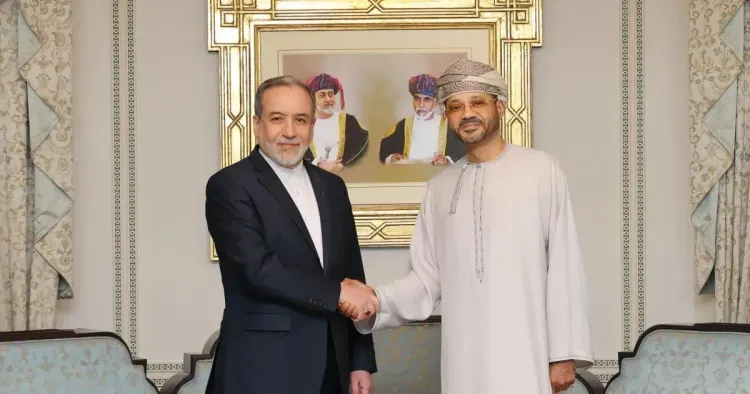
Iran and Oman have agreed on the geographic coordinates for a navigation route through the Strait of Hormuz, with a joint statement now in the final stages of review and drafting, Tehran's Foreign Ministry Spokesperson Esmaeil Baqaei said on Wednesday, 6 August. The development marks a significant step toward reopening a waterway that carries roughly 20 per cent of global petroleum and gas traffic.
What Has Been Agreed
According to Baqaei, Muscat and Tehran have already settled on the geographic coordinates for the navigation corridor, and the joint statement is being finalised. He added that the agreement would be ready 'provided no external party interferes with the process.' The statement, he said, would be 'based on main considerations and points agreed upon during the negotiations.'
Notably, there was no public confirmation from Oman about the status of the agreement as of Wednesday.
How the Proposed Corridor Would Work
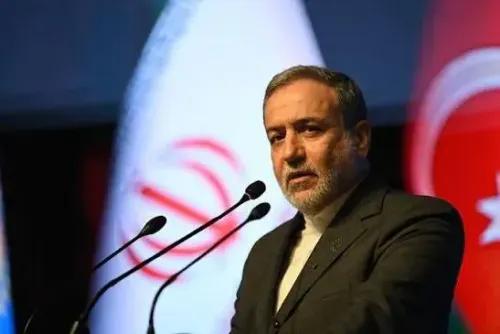
Citing 'informed sources,' Iranian state-affiliated outlet Tasnim reported that the proposed arrangement would allow Iran to oversee inbound maritime traffic through an Iranian-controlled shipping lane, while maintaining visibility over outbound traffic and retaining authority to intervene when necessary for security and navigation purposes.
Earlier reports indicated that Muscat and Tehran had focused on replacing the existing separate northern and southern routes with a single intermediate corridor designed to balance the interests and security concerns of both coastal states. According to media reports, the entry route into the Gulf would run along the Iranian coast, while the exit would follow the Omani side.
Both countries would reportedly charge a service fee for facilitating transit — but not a toll, which is prohibited under international law and has been publicly opposed by US President Donald Trump.
The US Factor
The arrangement being shaped by Iran and Oman conspicuously bypasses Washington, with Tehran stating that no third country was involved in the negotiations. This comes despite US Treasury Secretary Scott Bessent saying on Tuesday that he expected the strait to open by Wednesday, following President Trump's own prediction that an opening was likely on Tuesday. Both those timelines passed without any reopening.
Background: Why the Strait Has Been Closed
The Strait of Hormuz has been largely closed to commercial shipping since February, when Israel and the United States conducted bombing operations against Iran. The closure has disrupted the flow of approximately 20 per cent of global petroleum and gas traffic, sending shockwaves through energy markets. This is among the most consequential maritime disruptions in recent decades, with the strait serving as the primary export artery for Gulf oil producers including Saudi Arabia, the UAE, Kuwait, and Iraq.
What Comes Next
The joint statement, once finalised, is expected to formalise the navigation corridor arrangement. However, the caveat from Baqaei — that external interference could delay the process — signals that geopolitical pressure remains a live variable. Energy markets and global shipping operators will be watching closely for an official announcement from both Tehran and Muscat in the days ahead.
Point of View
But the absence of any confirmation raises questions about whether the deal is as close as Tehran claims. For global energy markets, the longer the uncertainty persists, the deeper the structural damage to supply chain confidence.
NationPress
20 Sept 2026
Frequently Asked Questions
What is the Iran-Oman Strait of Hormuz deal?
Iran and Oman have reportedly agreed on geographic coordinates for a new navigation corridor through the Strait of Hormuz, replacing separate northern and southern routes with a single intermediate passage. A joint statement formalising the arrangement is in the final stages of drafting, according to Iran's Foreign Ministry.
Why has the Strait of Hormuz been closed?
The strait has been largely closed to commercial shipping since February 2025, following bombing operations against Iran by Israel and the United States. The closure has disrupted approximately 20 per cent of global petroleum and gas traffic.
How would the proposed navigation corridor work?
According to informed sources cited by Iranian media, the arrangement would allow Iran to oversee inbound maritime traffic through an Iranian-controlled lane, with outbound traffic running along the Omani coast. Both countries would charge a service fee — not a toll, which is illegal under international law — for facilitating transit.
Is the United States involved in the Hormuz negotiations?
No. Tehran has stated that no third country was involved in the negotiations. The arrangement conspicuously bypasses Washington, even as US President Donald Trump and the US Treasury Secretary had publicly predicted the strait would reopen by Tuesday or Wednesday — deadlines that passed without any opening.
Has Oman confirmed the deal?
As of Wednesday, 6 August, there was no public confirmation from Oman about the status of the agreement. Only Iran's Foreign Ministry Spokesperson Esmaeil Baqaei has publicly commented on the progress of the joint statement.