CM Sai Meets IISc Director on Chhattisgarh Science Push
Synopsis
Chief Minister Vishnu Deo Sai met IISc Bengaluru Director Prof. G. Rangarajan on 4 November 2026 to discuss three collaboration projects — a Material Characterisation Centre, a Science-Maths Teacher Training Institute, and Health Tech Research — aimed at expanding world-class science and technology education to tribal districts including Bastar and Sarguja.
Key Takeaways
CM Vishnu Deo Sai held a high-level meeting with IISc Bengaluru Director Prof.
Rangarajan and senior scientists on 4 November 2026 .
Three collaboration projects discussed: a Material Characterisation and Testing Centre , a Science and Mathematics Teacher Training Institute , and Health Technology Research .
The CM stressed expanding opportunities in AI, semiconductors, and biotechnology for Chhattisgarh's youth.
Remote tribal divisions Bastar and Sarguja were specifically named as targets for world-class education outreach.
No formal MoU or funding timelines were announced; a signed agreement remains the key next milestone.
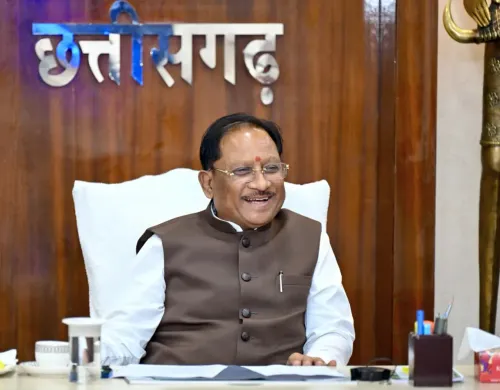
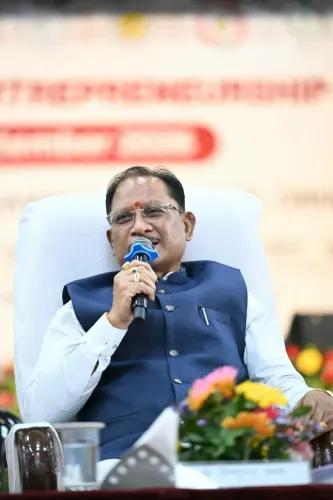
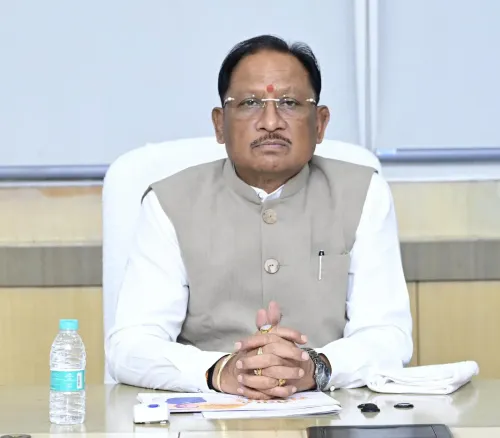
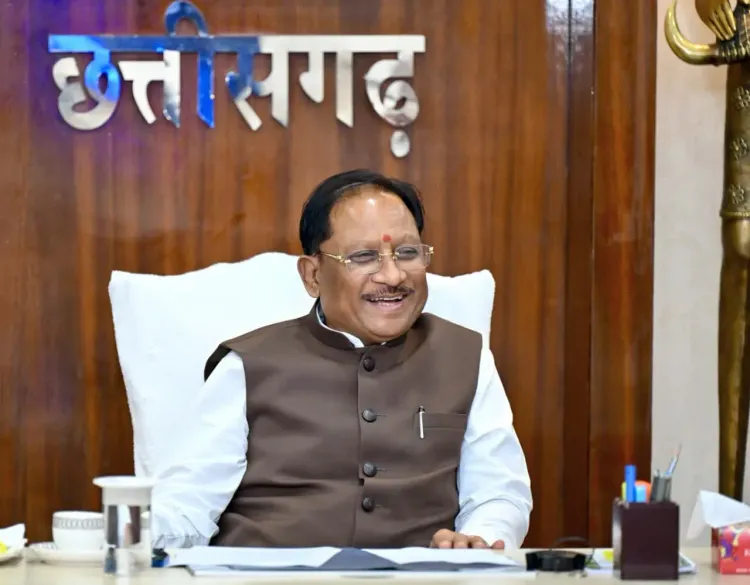
Three projects, one ambition: bring world-class science to the heart of tribal India. Chief Minister Vishnu Deo Sai held a high-level meeting with Indian Institute of Science (IISc) Bengaluru Director Prof. G. Rangarajan and senior scientists on Wednesday, 4 November 2026, charting a course for scientific research, modern technology, and higher education expansion across Chhattisgarh.
The Chief Minister's Office confirmed that discussions centred on three specific collaboration proposals: a Material Characterisation and Testing Centre, a Science and Mathematics Teacher Training Institute, and a Health Technology Research initiative. These are not vague aspirations — they are defined project categories with institutional backing from one of India's most prestigious research universities.
AI, Semiconductors and Biotech for Chhattisgarh's Youth
CM Sai pushed the conversation beyond infrastructure into opportunity. The meeting explored how to expand pathways for young people in AI, semiconductors, and biotechnology — three sectors at the core of India's national technology self-reliance drive. The pitch: Chhattisgarh's youth should not have to migrate to Bengaluru or Hyderabad to access that future.
Crucially, the CM specifically named Bastar and Sarguja — the state's most remote, heavily tribal divisions — as targets for world-class education outreach. That framing matters. These are not regions traditionally associated with semiconductor research or biotech pipelines, which is precisely the point.
IISc and the State-Partnership Playbook
IISc Bengaluru has increasingly become a node in a wider web of state-level science partnerships. Several Indian states have pursued similar collaborations to build local capacity in emerging technology, riding the momentum of the National Education Policy 2020, which explicitly prioritises teacher training, technology integration, and quality higher education in underserved regions. Chhattisgarh's engagement follows that playbook — but its focus on tribal districts like Bastar and Sarguja gives it a distinctive equity dimension.
The Material Characterisation and Testing Centre, if realised, could also serve industry — particularly the state's mining and minerals sector, which has long lacked sophisticated local testing infrastructure. That is an economic multiplier beyond the education angle.
From Discussion to Delivery — the Gap to Watch
Wednesday's meeting produced intent, not a signed MoU. No formal timelines, funding commitments, or implementation roadmaps were announced. The next concrete signal to watch is whether a memorandum of understanding follows — and whether it comes with budget lines attached. State-IISc partnerships have a mixed track record on converting high-level meetings into operational centres on the ground.
Still, the specificity of the three named projects, and the direct involvement of IISc's Director, signals that this is further along the pipeline than a courtesy call. If Chhattisgarh can convert these discussions into functional institutions, it would mark a significant leap for science infrastructure in central India's tribal heartland.
Point of View
Not optics. By anchoring the ambition in Bastar and Sarguja, CM Sai is signalling that tribal districts deserve more than development-lite gestures. Whether these three projects graduate from discussion to delivery will determine if this is structural transformation or familiar high-profile symbolism. The National Education Policy 2020 provides political and policy cover; now comes the harder work of institutional follow-through.
NationPress
4 Nov 2026
Frequently Asked Questions
What projects did Chhattisgarh discuss with IISc Bengaluru?
Three projects were discussed: a Material Characterisation and Testing Centre, a Science and Mathematics Teacher Training Institute, and a Health Technology Research initiative.
Who is the Director of IISc Bengaluru?
Prof. G. Rangarajan is the Director of the Indian Institute of Science (IISc) Bengaluru.
Why is Chhattisgarh partnering with IISc?
Chief Minister Vishnu Deo Sai aims to expand scientific research, modern technology education, and higher education access across Chhattisgarh, including remote tribal areas like Bastar and Sarguja.
Will Bastar and Sarguja benefit from the IISc collaboration?
CM Sai specifically highlighted Bastar and Sarguja as priority regions for bringing world-class education and technology opportunities under the proposed IISc partnership.
Has Chhattisgarh signed an MoU with IISc?
No formal MoU or funding timelines have been announced as of 4 November 2026; the meeting focused on exploring the possibilities for collaboration.