Iran-Oman Hormuz shipping deal: routes agreed, full accord pending
Synopsis
Iran and Oman have quietly agreed on a shipping map for the Strait of Hormuz — but Tehran is drawing a sharp line: full reopening depends on US compliance with conditions, not on this bilateral deal. Meanwhile, Trump's claim that the US will annex the strait has no basis in international law and adds a combustible new dimension to an already fragile standoff.
Key Takeaways
Iran and Oman have agreed on a 'shipping map' for vessels transiting the Strait of Hormuz , but a full bilateral accord has not yet been finalised.
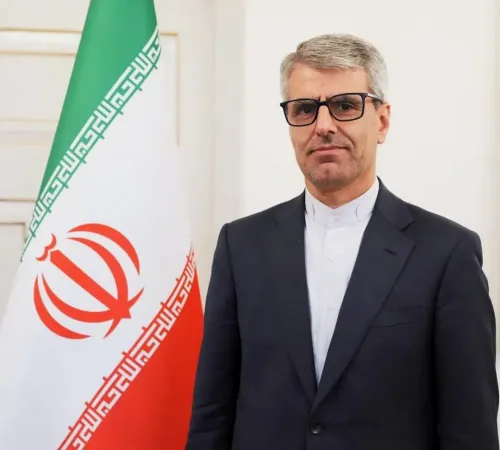
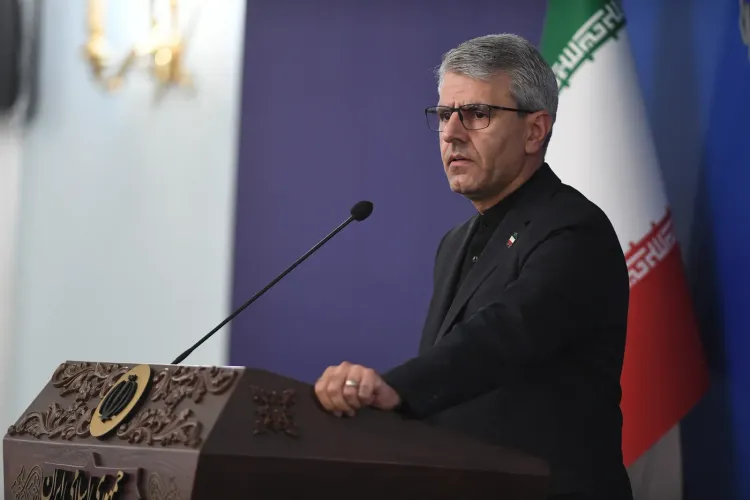
Iranian Foreign Ministry spokesman Esmaeil Baghaei confirmed negotiations progressed over three weeks ; a joint statement remains under discussion.
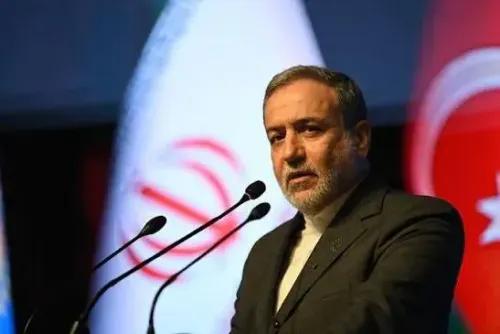
Iranian Foreign Minister Abbas Araghchi said reopening the strait to normal commercial traffic depends on conditions the US must fulfil — a separate issue from the Iran-Oman deal.
Iran has not disclosed whether transit fees or specific security arrangements will apply under the new framework.
US President Donald Trump declared on Friday his intention to claim the Strait of Hormuz as US territory, a move with no basis in international maritime law.
The United States was not part of the Iran-Oman negotiations.
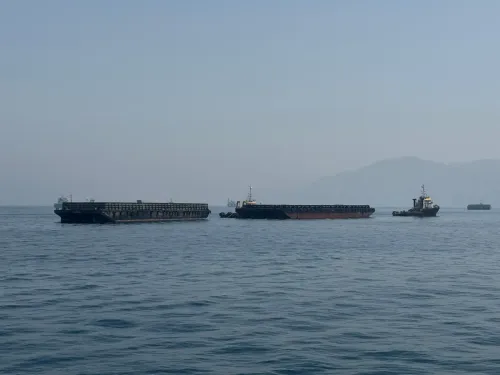
Iran and Oman have reached an agreement on shipping routes through the Strait of Hormuz, but a comprehensive deal governing traffic through the strategically vital waterway remains unfinished, with technical discussions still ongoing. The development marks a notable step in bilateral maritime diplomacy — though its practical impact on global oil flows is limited for now.
What Has Been Agreed
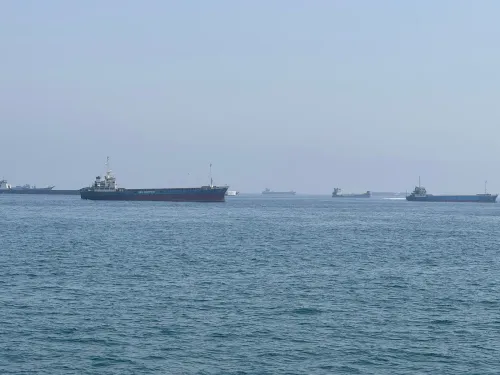
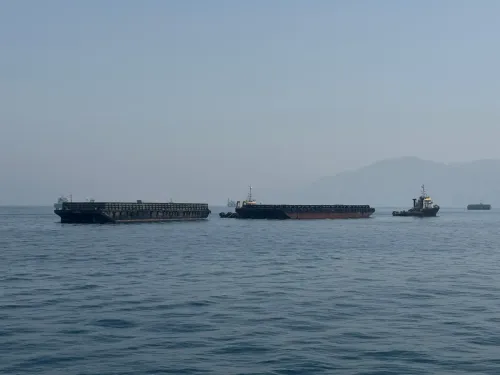
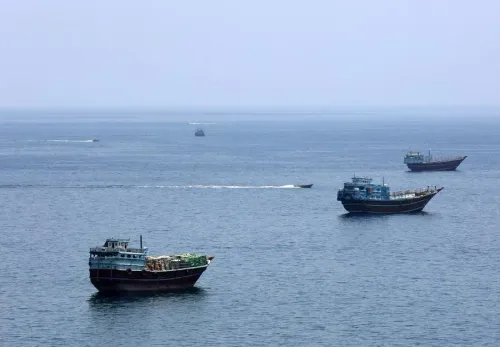
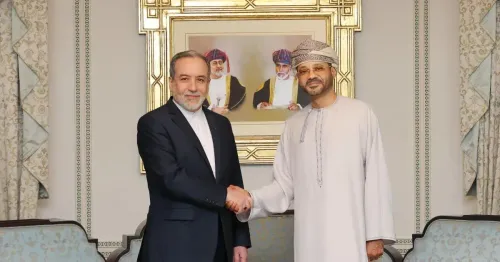
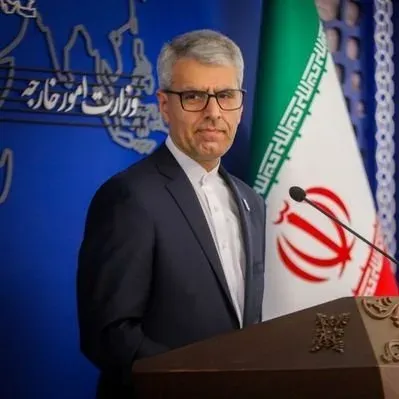
The two coastal nations have settled on a 'shipping map' for vessels transiting the strait, according to material released by Iranian authorities. Iranian Foreign Ministry spokesman Esmaeil Baghaei confirmed that negotiations had progressed smoothly over the past three weeks, but stressed that a joint statement between the two countries was still being finalised.
'There are still some matters where discussions continue, particularly regarding the joint statement that is to be released by Iran and Oman,' Baghaei said. 'Exchanges are ongoing, and whenever it is finalised, information will certainly be provided,' he added.
What Remains Unresolved
The agreed shipping routes do not amount to an immediate resumption of normal commercial traffic through the strait. Iranian authorities have not disclosed whether vessels would be charged transit fees or what security arrangements would apply. Further technical talks are scheduled to address these outstanding details.
The proposed framework is designed to ensure safe passage for ships while preserving the sovereignty and sovereign rights of both nations. Notably, the arrangement was negotiated independently by Iran and Oman — the United States was not party to the discussions.
Reopening the Strait: Iran's Conditions
Iranian Foreign Minister Abbas Araghchi made clear that reopening the waterway to full commercial traffic is a separate matter entirely. 'It is a separate issue. It depends on fulfilling other conditions that the US must abide by for it to take place,' Araghchi said.
Iran has remained in contact with mediators carrying messages between Tehran and Washington, but Araghchi was emphatic that these exchanges do not constitute negotiations. 'This does not constitute negotiation. We have not yet made a decision to resume negotiations with the US,' he stated.
Trump's Territorial Claim
The diplomatic progress comes against a volatile backdrop. US President Donald Trump declared on Friday that the United States would claim the Strait of Hormuz as American territory, framing it in the context of what he described as a near-concluded military conflict with Iran. 'After we finish defeating Iran, which is being very badly defeated, pretty soon, I'll be declaring the Hormuz Strait a territory of the United States,' Trump said.
The strait is a critical artery for global petroleum and gas supplies, and the nearly half-year-long conflict between the US and Iran has, according to reports, significantly disrupted those flows. Trump's claim has no precedent in international maritime law and has not been recognised by any other state.
Strategic Significance
The Strait of Hormuz is one of the world's most consequential chokepoints, through which a significant share of global crude oil and liquefied natural gas passes. Any agreement governing its operation carries enormous implications for energy markets, regional security, and international shipping. This is the first reported bilateral framework between Iran and Oman specifically addressing transit routes since tensions in the waterway escalated sharply. How quickly — and whether — the broader deal is concluded will be closely watched by energy markets and regional powers alike.
Point of View
Without Washington at the table. That is a political signal as much as a maritime one. The harder question is what 'conditions the US must abide by' actually means: Iran has not specified them publicly, which gives it maximum leverage but also maximum ambiguity. Trump's territorial claim, legally baseless under UNCLOS, risks hardening Iranian domestic opinion against any resumption of US talks at precisely the moment back-channel mediation appears to be inching forward. The gap between the two governments' public postures and their private exchanges through mediators is where the real story lies — and neither side is telling it yet.
NationPress
30 Sept 2026
Frequently Asked Questions
What have Iran and Oman agreed on regarding the Strait of Hormuz?
Iran and Oman have agreed on a 'shipping map' — a set of designated routes for vessels transiting the Strait of Hormuz. The agreement was reached independently by the two countries without US involvement, though a comprehensive joint statement and technical details remain under negotiation.
Will the Strait of Hormuz reopen to normal commercial traffic now?
Not immediately. Iranian Foreign Minister Abbas Araghchi has stated that reopening the strait to normal commercial traffic is a separate issue, contingent on the US fulfilling conditions Tehran has set. The bilateral shipping route agreement with Oman does not automatically trigger a resumption of normal traffic.
What did Donald Trump say about the Strait of Hormuz?
US President Donald Trump declared on Friday that the United States would claim the Strait of Hormuz as American territory once what he described as the US conflict with Iran concluded. The claim has no recognised basis in international maritime law and has not been endorsed by any other nation.
Is Iran negotiating directly with the United States?
No. Iranian Foreign Minister Abbas Araghchi confirmed that while Iran is in contact with mediators carrying messages between Tehran and Washington, these exchanges do not constitute direct negotiations. 'We have not yet made a decision to resume negotiations with the US,' he said.
Why does the Strait of Hormuz matter globally?
The Strait of Hormuz is one of the world's most critical maritime chokepoints, through which a large share of global crude oil and liquefied natural gas is transported. Disruptions to traffic through the strait — as have reportedly occurred during the US-Iran conflict — have significant consequences for global energy supplies and prices.