Uttarakhand CMO: Climate farm project opens new doors in Uttarkashi

Synopsis
The Uttarakhand CMO has highlighted the Climate Resilient Rainfed Agriculture Project's work in Uttarkashi's Dunda and Chinyalisaur blocks, where new farming possibilities are being created for cultivators dependent on erratic monsoon rainfall.
Key Takeaways
The Uttarakhand Climate Resilient Rainfed Agriculture Project is operational in Uttarkashi district .
Interventions are targeted specifically at Dunda and Chinyalisaur development blocks .
The project aims to create new agricultural possibilities for rainfed farmers vulnerable to monsoon variability.
Uttarkashi is a high-altitude Himalayan district where agriculture depends almost entirely on rainfall and snowmelt.
The block-level delivery model allows practices to be tailored to local terrain and water conditions.
Adoption rates and yield outcomes in these two blocks will determine potential expansion to other districts.
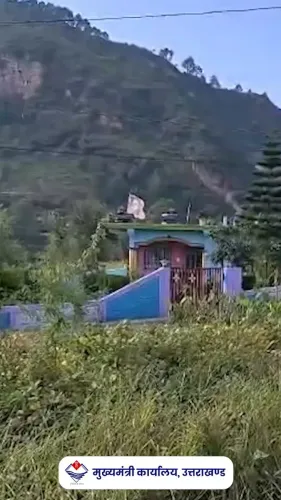
In the high-altitude villages of Uttarkashi district, where monsoon unpredictability has long dictated the fate of harvests, a state-backed initiative is quietly rewriting the odds for rainfed farmers. The Chief Minister's Office of Uttarakhand announced on Saturday, 31 October 2026 that the Uttarakhand Climate Resilient Rainfed Agriculture Project is actively creating new agricultural possibilities in the Dunda and Chinyalisaur development blocks of Uttarkashi.
What the project is doing in Dunda and Chinyalisaur
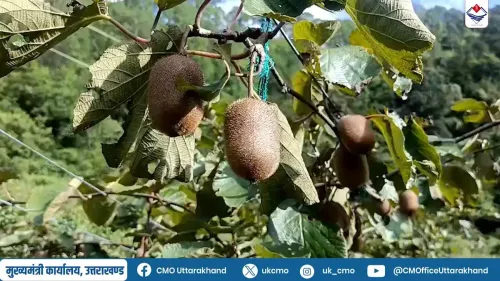
The CMO's post stated that the scheme is 'nai sambhavanaen viksit kar rahi hai' — 'developing new possibilities' — for farmers in these two administrative blocks. Both Dunda and Chinyalisaur are rainfed farming zones where cultivators have historically had little buffer against erratic weather. The project targets precisely this vulnerability, introducing climate-adaptive farming practices and resilient crop varieties suited to Himalayan terrain.
Uttarkashi sits deep in the northern reaches of Uttarakhand, a district where agriculture is almost entirely dependent on monsoon rainfall and snowmelt. When the rains fail or arrive in destructive bursts, entire growing seasons can collapse. That fragility is the problem this project is designed to address — not with grand infrastructure, but with ground-level agronomic shifts.
Uttarakhand's broader push for climate-adaptive farming
This initiative fits into a wider pattern of climate adaptation efforts the state has pursued given its ecologically sensitive Himalayan geography. Rainfed agriculture covers a significant share of Uttarakhand's cultivable land, and erratic monsoon behaviour — intensified by broader climate trends — has made yield stability a persistent challenge for hill farmers. State strategies for sustainable land use in such zones have increasingly prioritised resilience over expansion.
The focus on specific development blocks like Dunda and Chinyalisaur signals a granular, block-level delivery model — an approach that allows interventions to be tailored to local soil, slope, and water-availability conditions rather than applied as a blanket policy across the district.
What comes next for Uttarkashi's farmers
The key questions now are adoption rates and on-ground outcomes. How many cultivators in these two blocks are actively engaging with the project's recommended practices? Are yields stabilising in seasons with erratic rainfall? The answers will determine whether the scheme expands to additional blocks and districts across Uttarakhand's hill belt.
For now, the signal from Dehradun is clear: Uttarakhand is betting that the future of hill farming runs through climate resilience — one development block at a time.
Point of View
The state is signalling a shift toward precision climate adaptation rather than broad-brush policy. This approach aligns with national frameworks on climate-smart agriculture but will face the perennial challenge of last-mile uptake among smallholder hill farmers. The real test arrives when yield data from Dunda and Chinyalisaur either validate the model for statewide replication or force a course correction.
NationPress
1 Nov 2026
Frequently Asked Questions
What is the Uttarakhand Climate Resilient Rainfed Agriculture Project?
It is a state initiative in Uttarakhand designed to promote climate-adaptive farming practices and resilient crop varieties in rainfed agricultural areas, helping farmers cope with erratic monsoon patterns.
Which areas of Uttarkashi does the project cover?
The project is currently active in the Dunda and Chinyalisaur development blocks of Uttarkashi district.
Why is rainfed farming in Uttarkashi particularly vulnerable?
Uttarkashi is a high-altitude Himalayan district where agriculture depends almost entirely on monsoon rainfall and snowmelt, making harvests highly susceptible to erratic or extreme weather events.
Who benefits from this climate agriculture project in Uttarakhand?
Rainfed cultivators and smallholder farmers in the Dunda and Chinyalisaur blocks of Uttarkashi are the primary beneficiaries of the interventions under this scheme.
Will the project expand to other districts in Uttarakhand?
A possible expansion to additional districts has been flagged as something to watch, but it will depend on adoption rates and measurable outcomes in the current target blocks.