CM Dhami's Uttarakhand Pushes Cow Protection in Udham Singh Nagar
Synopsis
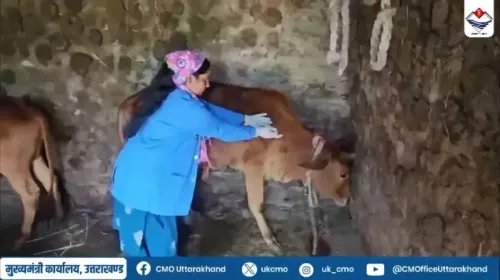
The Uttarakhand Chief Minister's Office on 24 July 2026 publicly highlighted the state's ongoing efforts to protect bovine cattle, spotlighting Udham Singh Nagar district. The move reflects CM Dhami's government's continued focus on animal husbandry and rural welfare under the state's cow protection legislative framework.
Key Takeaways
The Uttarakhand CMO on 24 July 2026 shared a post emphasising 'solid efforts' for bovine ( govansh ) conservation in the state.
Udham Singh Nagar , an agriculturally significant district bordering Uttar Pradesh, was specifically tagged in the post.
Uttarakhand enacted the Uttarakhand Cow Slaughter Prevention Act in 2007 , providing the legislative backbone for cow protection in the state.
Chief Minister Pushkar Singh Dhami has positioned bovine welfare within the state's broader rural development agenda since taking office in 2021 .
Livestock farmers and dairy-dependent rural households in Udham Singh Nagar are the primary stakeholders of these conservation efforts.
Formal announcements on gaushala funding or new shelter infrastructure in the district are being closely watched.
The Chief Minister's Office of Uttarakhand on Friday, 24 July 2026 highlighted the state government's ongoing efforts to protect and conserve bovine cattle (govansh), with a specific focus on Udham Singh Nagar district. The post, shared on the official CMO account, signals renewed attention to animal husbandry and livestock welfare as a policy priority in the state.
Context
The CMO's post, written in Hindi, states: 'Uttarakhand mein govansh ke sanrakshan ke liye rajya sarkar kar rahi hai thos prayas' — 'The state government is making solid efforts for the protection of bovine cattle in Uttarakhand.' The tagging of Udham Singh Nagar suggests on-ground activity or a specific initiative in that district is at the centre of this communication.
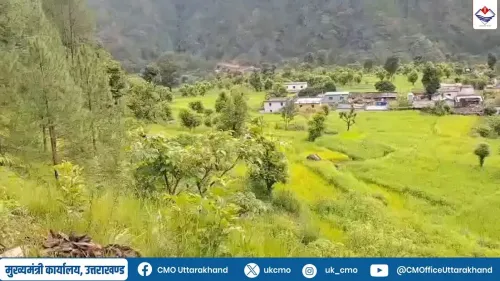
Udham Singh Nagar is one of Uttarakhand's most agriculturally active districts, bordering Uttar Pradesh, and has a significant population of livestock farmers and dairy-dependent rural households. Bovine welfare in this region directly intersects with the livelihoods of farming communities.
Policy Backdrop
Uttarakhand has maintained a legislative framework for cow protection since the enactment of the Uttarakhand Cow Slaughter Prevention Act, 2007, which prohibits the slaughter of cows and calves across the state. The current government under Chief Minister Pushkar Singh Dhami, in office since 2021, has continued to position bovine welfare within its broader rural development and animal husbandry agenda.
Across several BJP-governed states, gaushalas (cow shelters) have been expanded and bovine welfare schemes have been integrated with rural economy support programmes. Uttarakhand's stated efforts follow this broader national pattern of state-level animal husbandry interventions, combining protection mandates with practical support for farmers who manage stray or ageing cattle.
Stakeholders and Impact
The primary beneficiaries of govansh conservation efforts are livestock farmers and rural households in districts like Udham Singh Nagar, where cattle management is closely tied to agricultural productivity and dairy income. Stray bovine cattle can also pose challenges for crop protection, making government-run shelters and welfare schemes a practical concern beyond their symbolic dimension.
For farmers managing both working cattle and unproductive animals, state support through gaushalas or subsidised feed programmes can meaningfully reduce the economic burden. The government's public communication on this issue signals that such support is being directed at district level.
What's Next
Observers and stakeholders will watch for concrete announcements from the Uttarakhand government regarding budget allocations for gaushalas, new shelter inaugurations, or expanded animal husbandry schemes specifically in Udham Singh Nagar and neighbouring districts. With the state government choosing to publicly amplify its bovine welfare work, formal programme launches or infrastructure announcements in the near term remain a strong possibility.
The focus on Udham Singh Nagar, a district with significant cross-border agricultural activity, may also reflect a broader effort to align state policy with the concerns of farming communities ahead of future electoral cycles in Uttarakhand.
Point of View
Where cow protection is simultaneously a legislative, economic, and political signal. By naming a specific district with high agricultural activity and a significant farming constituency, the government is connecting symbolic policy with tangible rural outreach. This kind of communication typically precedes formal programme announcements or infrastructure inaugurations, suggesting the post may be the opening of a larger campaign. For CM Dhami, maintaining visibility on govansh conservation reinforces a core ideological plank while also addressing the practical concerns of farmers burdened by stray cattle management.
NationPress
22 Oct 2026
Frequently Asked Questions
What is the Uttarakhand government doing for cow protection in 2026?
The Uttarakhand government, as highlighted by the CMO on 24 July 2026, is undertaking active efforts for the conservation and protection of bovine cattle, with a particular focus on Udham Singh Nagar district.
What is the Uttarakhand Cow Slaughter Prevention Act?
The Uttarakhand Cow Slaughter Prevention Act, enacted in 2007, prohibits the slaughter of cows and calves across the state and forms the legal foundation for bovine protection policies in Uttarakhand.
Why is Udham Singh Nagar important for cattle welfare in Uttarakhand?
Udham Singh Nagar is one of Uttarakhand's most agriculturally active districts, with a large population of livestock farmers and dairy-dependent households, making it a key focus area for animal husbandry initiatives.
Who is the Chief Minister of Uttarakhand overseeing these animal welfare efforts?
Pushkar Singh Dhami has been the Chief Minister of Uttarakhand since 2021 and has continued to prioritise bovine welfare and rural development as part of the state government's policy agenda.
What are gaushalas and how do they help farmers in Uttarakhand?
Gaushalas are government or privately supported cow shelters that house stray and unproductive cattle, relieving farmers of the economic burden of maintaining animals that are no longer productive, while fulfilling the state's bovine protection mandate.