Uttarakhand CMO Highlights Animal Husbandry Schemes for Farmers
Synopsis
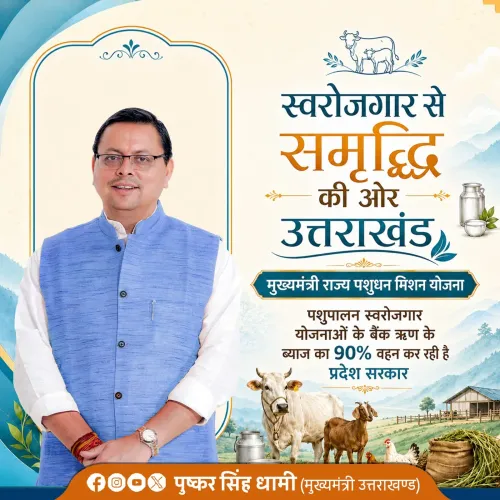
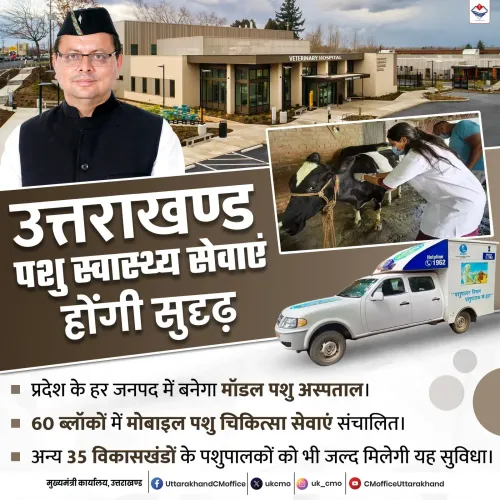
The Uttarakhand government is providing end-to-end support to livestock keepers under multiple schemes, covering animal purchase, fodder availability, and veterinary treatment, with a focus on self-reliance for rural farmers in hill districts like Chamoli.
Key Takeaways
The Chief Minister's Office of Uttarakhand on 28 May 2026 publicised state schemes aimed at making livestock keepers self-reliant.
Support covers three pillars: animal purchase , fodder availability , and veterinary treatment .
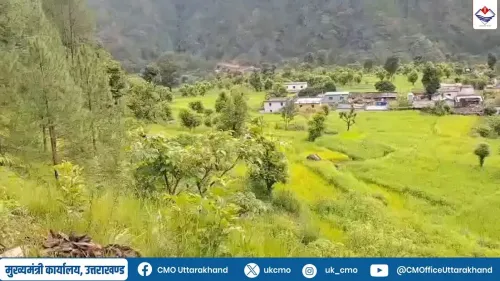
Chamoli , a hilly district where animal husbandry is a primary livelihood, is among the focus areas.
The initiative is framed under the national Atmanirbhar Bharat campaign launched in May 2020 .
The approach mirrors integrated livestock programmes operating across Himalayan and north-eastern states.
District-level implementation and forthcoming budget announcements will determine the programme's scale and reach.
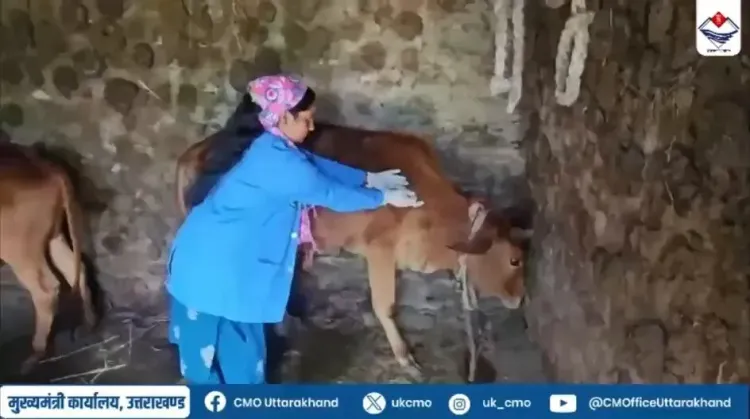
The Chief Minister's Office of Uttarakhand, on Thursday, 28 May 2026, highlighted the state government's ongoing efforts to make livestock keepers self-reliant through a range of schemes covering animal purchase, fodder availability, and veterinary treatment.
Context
The post, shared by the official Chief Minister's Office of Uttarakhand, states: 'Uttarakhand sarkar pashupalkon ko aatmnirbhar banane ke liye pashu kharid se lekar chare ki uplabdhata aur maweshiyon ke upchar tak vibhinn yojnaon ke antargat sevaen pradan kar rahi hai' — meaning the state government is providing services under various schemes, from animal procurement to fodder availability and cattle treatment, to make livestock keepers self-sufficient. The post was tagged to Chamoli, a hilly district where animal husbandry is a primary source of rural income.
Policy Backdrop
Uttarakhand's terrain limits conventional crop farming across large swathes of its hill districts, making livestock a critical livelihood pillar for rural households. State animal husbandry programmes have historically covered three broad pillars: subsidised animal purchase, fodder development, and access to veterinary services — the same end-to-end support referenced in the government's post.
These efforts align with the national Atmanirbhar Bharat initiative, announced in May 2020, which included dedicated measures for dairy development and livestock health infrastructure. Uttarakhand's approach mirrors similar integrated livestock support programmes operating in other Himalayan and north-eastern states since the early 2010s.
Stakeholders and Impact
The primary beneficiaries are livestock keepers and dairy farmers in districts such as Chamoli, where households depend on cattle for both subsistence and supplementary income. End-to-end support — from helping families acquire animals to ensuring fodder supply and timely veterinary care — reduces the financial risk associated with livestock ownership in remote, high-altitude areas.
By anchoring these efforts under the broader #AatmnirbharBharat and #DairyFarming framework, the state government signals its intent to integrate local livestock economies into national self-reliance goals. Improved veterinary access is particularly significant in hill districts where cattle loss due to disease can devastate household incomes.
What's Next
Attention will now turn to district-level implementation reports from Chamoli and neighbouring hill districts to assess on-ground reach of these schemes. Any supplementary budget announcements for the animal husbandry sector in the next Uttarakhand legislative session will indicate whether the state plans to scale up allocations. Sustained delivery of fodder and veterinary services through the lean winter months will be a key test of the programme's effectiveness for pastoral communities.
Point of View
Lending political salience to what are otherwise routine departmental programmes. Tagging Chamoli specifically suggests a push to demonstrate hill-district outreach ahead of potential legislative scrutiny of rural welfare spending. The end-to-end framing — purchase to fodder to veterinary care — positions the state as offering a comprehensive safety net rather than piecemeal subsidies, a messaging shift that has gained traction in Himalayan states competing for central scheme funds. Whether ground-level delivery matches the communication will be the real measure of impact for pastoral communities in high-altitude Uttarakhand.
NationPress
11 Oct 2026
Frequently Asked Questions
What schemes does the Uttarakhand government offer for animal husbandry?
The Uttarakhand government provides support under various schemes covering animal purchase subsidies, fodder availability, and veterinary treatment for livestock keepers, particularly in hill districts like Chamoli.
What is Atmanirbhar Bharat and how does it relate to dairy farming?
Atmanirbhar Bharat is a national self-reliance initiative launched in May 2020 that includes dedicated measures for dairy development and livestock health infrastructure, under which state governments like Uttarakhand align their animal husbandry programmes.
Why is Chamoli highlighted in Uttarakhand's animal husbandry outreach?
Chamoli is a hilly district in Uttarakhand where conventional crop farming is limited by terrain, making animal husbandry a primary source of livelihood for rural households, making it a key focus for livestock welfare schemes.
How does Uttarakhand support livestock keepers in remote hill areas?
The state supports livestock keepers through end-to-end assistance — from helping families acquire animals to ensuring a steady fodder supply and access to timely veterinary services — reducing financial risk in remote, high-altitude communities.
What should dairy farmers in Uttarakhand watch for next?
Dairy farmers should watch for district-level implementation reports from Chamoli and any supplementary budget announcements for animal husbandry in the next Uttarakhand legislative session, which will indicate planned scale-up of support.