CM Dhami's Horticulture Push Opens Self-Employment in Uttarkashi
Synopsis
The Uttarakhand CMO has spotlighted state horticulture schemes creating self-employment in Uttarkashi. The initiative targets rural youth and small farmers in Himalayan districts, leveraging high-value temperate crops to curb out-migration and boost farm incomes under CM Pushkar Singh Dhami's rural economy agenda.
Key Takeaways
The Uttarakhand CMO on June 10, 2026 highlighted horticulture schemes opening self-employment avenues in Uttarkashi .
Chief Minister Pushkar Singh Dhami has prioritised horticulture and agriculture expansion as a core rural economy strategy since 2021 .
The state's approach builds on the National Horticulture Mission (launched 2005-06 ), a centrally sponsored framework for rural employment through horticulture.
Uttarkashi 's high-altitude agro-climatic conditions make it well-suited for temperate fruits and off-season vegetables with strong market potential.
The horticulture push is also a policy response to chronic out-migration from hill districts that has depleted village economies.
Future state budget allocations and district-level uptake data will be key indicators of scheme effectiveness.
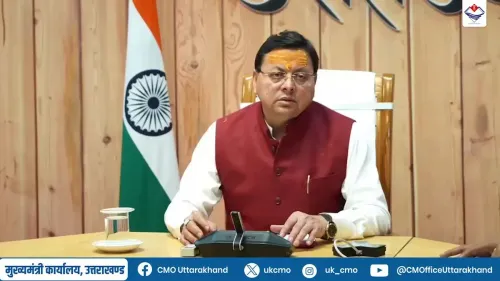
The Chief Minister's Office of Uttarakhand, on Wednesday, June 10, 2026, highlighted how state government horticulture schemes are opening pathways to self-employment across the hill districts, with a specific focus on Uttarkashi.
Context
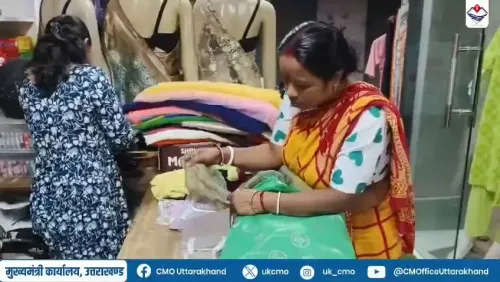
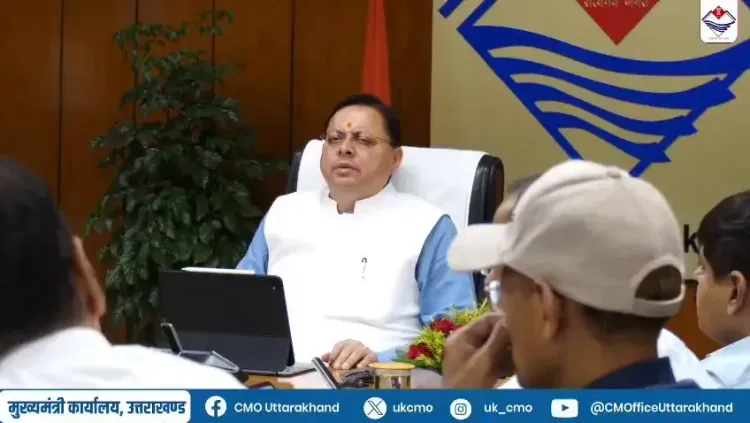
The post, shared by the official CMO account, states: 'Bagwani ke kshetra mein rajya sarkar ki yojanaon se khul rahe swarozgar ke dwar' — 'The state government's schemes in the horticulture sector are opening doors to self-employment.' The message was accompanied by a video, suggesting on-ground documentation of beneficiaries or scheme implementation in Uttarkashi, a Himalayan district with strong potential for temperate fruit cultivation.
Policy Backdrop
Uttarakhand's horticulture push draws from a policy lineage rooted in the National Horticulture Mission, a centrally sponsored scheme launched in 2005-06 to promote integrated horticulture development and rural employment generation. Over the years, Himalayan states have layered state-level schemes on top of this framework, targeting high-value crops such as apples, apricots, walnuts, and medicinal herbs that thrive in the region's varied agro-climatic zones.
Under Chief Minister Pushkar Singh Dhami, who has helmed the state since 2021, Uttarakhand has placed agriculture and horticulture expansion at the centre of its rural economy agenda. The emphasis on self-employment in hill districts is also a direct response to the persistent challenge of out-migration, which has hollowed out many village economies in districts like Uttarkashi.
Stakeholders and Impact
The primary beneficiaries of these schemes are rural youth, small and marginal farmers, and hill horticulturists who lack access to formal employment but possess land and agro-climatic advantage. By channelling state support into horticulture — through subsidies, training, and market linkages — the government aims to make farming a viable livelihood rather than a fallback option.
Uttarkashi, which borders Tibet and sits at high altitude, is particularly suited for temperate fruits and off-season vegetables, giving its produce a competitive edge in plains markets. Schemes that reduce input costs and improve post-harvest infrastructure can meaningfully raise incomes for families in such districts.
What's Next
Attention will now turn to district-level uptake data and whether the next Uttarakhand state budget includes fresh allocations or skill-training components specifically tied to horticulture entrepreneurship. The video shared alongside the post may offer early ground-level evidence of scheme reach, and policymakers will be watching whether Uttarkashi's experience can be replicated in other hill districts facing similar demographic pressures.
If horticulture-linked self-employment gains measurable traction in Uttarkashi, it could serve as a replicable model for other Himalayan districts seeking to reverse out-migration and build resilient, place-based rural economies.
Point of View
Where industrial job creation remains structurally limited. The focus on Uttarkashi — a border district with high out-migration — signals that the government is aware of the demographic stakes, not just the agricultural ones. Whether the communication translates into measurable scheme uptake will determine if this remains optics or becomes a genuine livelihood shift.
NationPress
26 Oct 2026
Frequently Asked Questions
What horticulture schemes does the Uttarakhand government offer for self-employment?
The Uttarakhand government runs state-level horticulture schemes that provide subsidies, training, and market linkages to farmers, building on the centrally sponsored National Horticulture Mission framework launched in 2005-06. Specific scheme details for 2026 are being communicated through district-level outreach in areas like Uttarkashi.
Why is Uttarkashi important for horticulture in Uttarakhand?
Uttarkashi is a high-altitude Himalayan district with agro-climatic conditions ideal for temperate fruits such as apples, apricots, and walnuts, as well as off-season vegetables, giving its produce a competitive edge in markets across the plains.
How does horticulture help reduce out-migration from Uttarakhand's hill districts?
By creating viable self-employment through farming, horticulture schemes give rural youth and small farmers a reason to stay in their villages rather than migrate to cities for work, directly addressing one of Uttarakhand's most pressing demographic challenges.
What is the National Horticulture Mission and how does it relate to Uttarakhand?
The National Horticulture Mission is a centrally sponsored scheme launched in 2005-06 to promote integrated horticulture development and rural employment. Uttarakhand uses this framework as a foundation for its own state-level horticulture and self-employment programmes.
What is CM Pushkar Singh Dhami's role in Uttarakhand's horticulture push?
Chief Minister Pushkar Singh Dhami, who has led Uttarakhand since 2021, has placed agriculture and horticulture expansion at the centre of the state's rural economy agenda, with a focus on generating self-employment in hill districts.