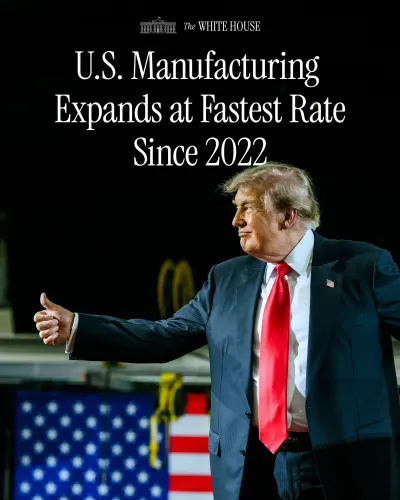
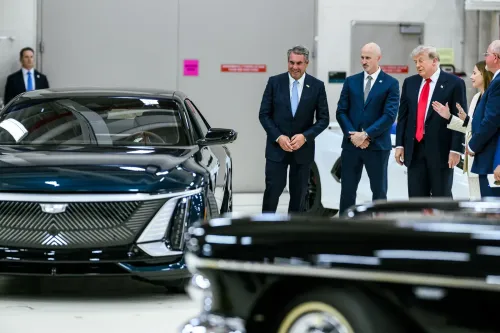
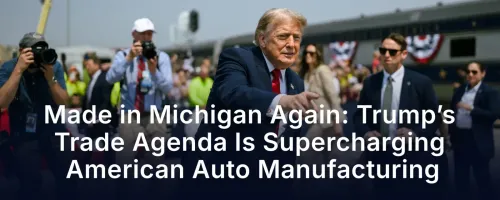
White House: Trump Will Always Fight for Michigan
Synopsis
The White House posted on X that President Trump 'will always fight for Michigan,' continuing a decade-long pattern of Rust Belt-focused messaging that has tied trade policy, tariffs, and auto-sector incentives to political loyalty in the pivotal industrial state.
Key Takeaways
The White House posted on X on October 26, 2026 affirming President Trump 'will always fight for Michigan.' Michigan is the centre of the U.S. automotive sector and a key electoral battleground state that Trump carried in 2016 .
Trump's political identity has been closely tied to pledges of reviving Rust Belt manufacturing through tariffs and trade renegotiations since his first campaign.
Such White House statements have historically accompanied tariff announcements , infrastructure funding decisions , or presidential visits to the state.
Key stakeholders include Michigan auto workers and domestic manufacturers who have been the named beneficiaries of administration trade actions.
A message of regional solidarity landed from the highest office in the land — the White House posted on X on Monday, October 26, 2026, declaring that President Donald Trump 'will always fight for Michigan,' reaffirming a political bond that has shaped American trade and industrial policy for over a decade.
Michigan as Trump's Industrial Calling Card
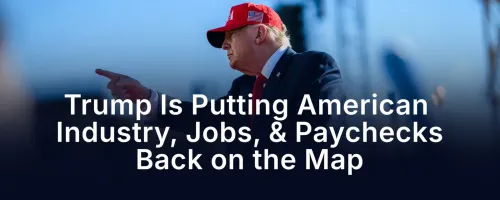
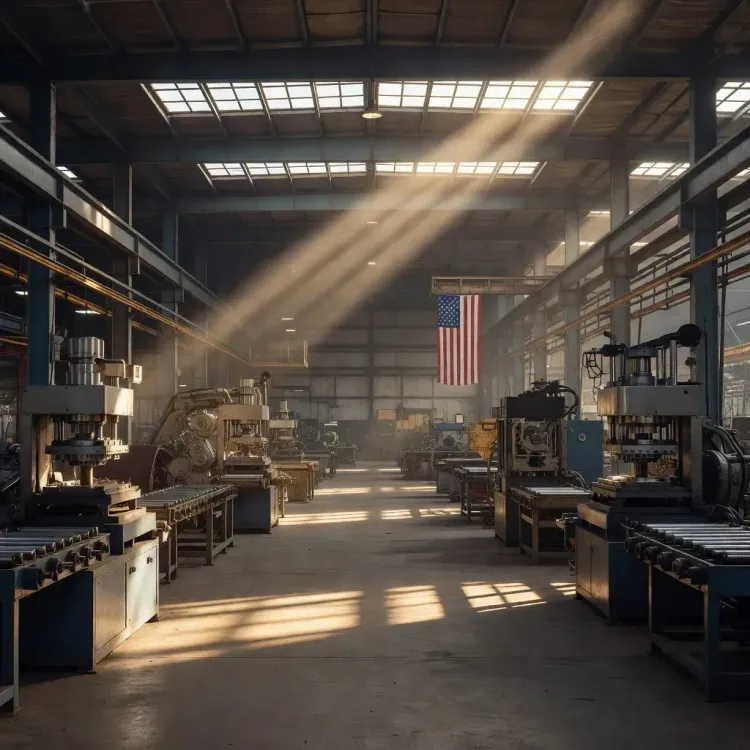
Michigan is not just any American state — it is the heartland of the U.S. automotive sector, home to the assembly lines and factory floors that Trump has repeatedly cast as the symbol of American industrial renewal. Since his first campaign in 2016, Trump built a core political identity around pledges to renegotiate trade deals, impose protective tariffs, and bring manufacturing jobs back to Rust Belt states like Michigan.
That messaging proved electorally decisive. Michigan swung to Trump in 2016, delivering a stunning upset in a state that Democrats had carried for nearly three decades. The state became a template for the political realignment of working-class industrial voters — and Trump has never stopped speaking directly to them.
A Pattern Bigger Than One Post
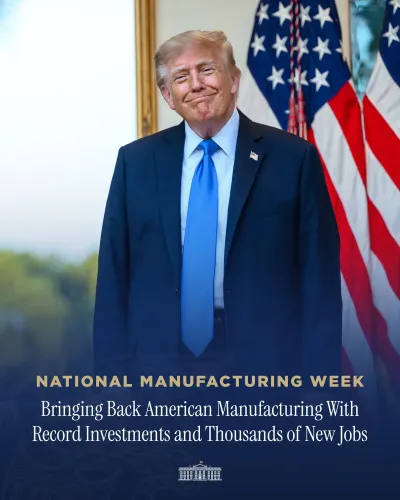
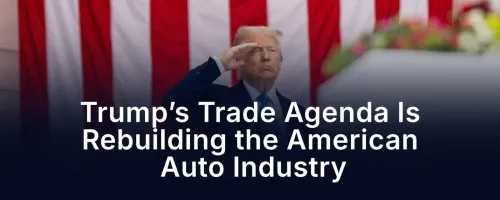
The White House's declaration fits a well-established pattern: presidential messaging that ties national economic policy to regional loyalty. Auto workers and Michigan manufacturers have consistently been the named beneficiaries of administration actions — from tariffs on imported steel and aluminium to incentives for domestic vehicle production.
Such statements rarely arrive in isolation. Historically, White House affirmations directed at Michigan have accompanied or preceded concrete policy moves — tariff announcements, infrastructure funding decisions, or scheduled presidential travel to the state. Whether this post signals an imminent announcement remains to be confirmed by follow-up White House communications.
Why Michigan Still Matters
As a perennial electoral battleground, Michigan carries outsized symbolic and strategic weight. Its 16 electoral votes and its identity as a union-heavy, manufacturing-driven economy make it a recurring stage for any president seeking to prove their economic credibility with blue-collar America. A White House post affirming unwavering commitment to the state is simultaneously a policy signal and a political statement — rarely just one or the other.
Watch for follow-up administration moves on auto-sector incentives, trade policy updates, or a presidential visit to Michigan that could give this pledge its concrete form.
Point of View
Decade-long strategy of anchoring national economic policy messaging to Rust Belt identity — using Michigan as both a proof-of-concept for industrial revival and a political loyalty marker. For Trump, affirming commitment to Michigan is inseparable from defending his trade and tariff legacy, which reshaped how working-class industrial voters align with the Republican Party. The post, though brief, functions as a signal: to auto workers, to manufacturers, and to an electoral coalition that Trump has consistently treated as the core of his political mandate. Analysts will watch whether concrete policy action — a new tariff measure, an auto-sector incentive, or a visit to Detroit — follows to give the pledge its teeth.
NationPress
26 Oct 2026
Frequently Asked Questions
Why does Trump focus so much on Michigan?
Michigan is the heart of the U.S. automotive industry and a pivotal electoral battleground. Trump built a key part of his political coalition by pledging to protect manufacturing jobs there through tariffs and trade renegotiations, winning the state in 2016 in a historic upset.
What does 'fight for Michigan' mean in policy terms?
Historically, such White House declarations have been linked to actions like steel and aluminium tariffs, trade deal renegotiations, and domestic manufacturing incentives specifically targeting auto-sector workers and Michigan-based producers.
Is Trump still president in 2026?
The White House's official communications account posted this message in October 2026, attributing the statement to President Trump. The precise current context of his administration has not been independently detailed in available verified information.
How important is Michigan in U.S. presidential elections?
Michigan carries 16 electoral votes and has been a fiercely contested swing state. Its large working-class manufacturing base makes it a bellwether for Rust Belt politics, and it has swung between Democratic and Republican presidential candidates in recent election cycles.
What should we watch for after this White House post?
Follow-up administration announcements on tariffs, auto-sector incentives, or any scheduled presidential travel to Michigan would indicate whether this post signals a concrete policy move rather than a standalone statement of political loyalty.