CM Uttarakhand: Sericulture schemes empower Bageshwar rural livelihoods
Synopsis
The Uttarakhand Chief Minister's Office spotlighted Sericulture Department schemes in Bageshwar district on 30 May 2026, saying they are empowering rural livelihoods and creating new self-employment pathways for hill farming households in the Kumaon region.
Key Takeaways
The Uttarakhand CMO on 30 May 2026 highlighted sericulture schemes active in Bageshwar district in the Kumaon region.
The Sericulture Department (रेशम विभाग) is the nodal state agency running these rural livelihood interventions.
The schemes aim to strengthen rural livelihoods and open self-employment avenues for hill farming households.
Uttarakhand's sericulture push is backed by the Central Silk Board under the Union Ministry of Textiles and dates to the state's formation in 2000 .
The initiative aligns with the state's broader strategy to diversify hill-district incomes and reduce out-migration.
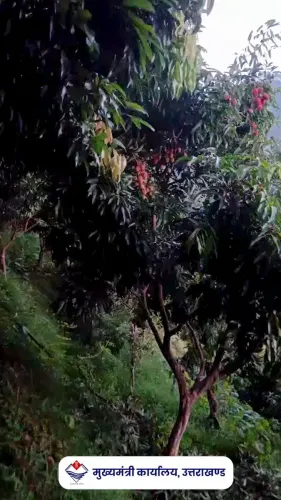
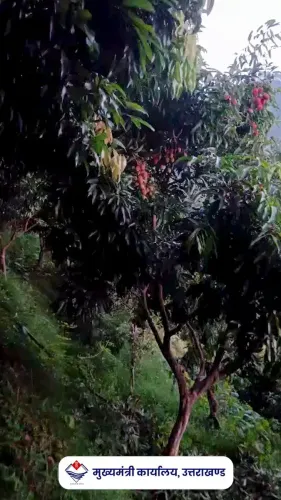
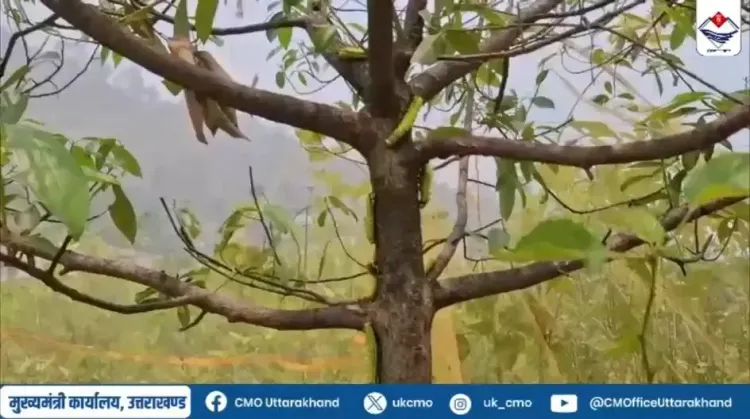
A video was released alongside the post, suggesting on-ground documentation of scheme activities in Bageshwar.
The Chief Minister's Office of Uttarakhand on Saturday, 30 May 2026, highlighted how schemes run by the state's Sericulture Department (रेशम विभाग) are strengthening rural livelihoods and opening new avenues of self-employment in Bageshwar district, a hill district in the Kumaon region.
Context
The post states: 'जनपद बागेश्वर में रेशम विभाग की योजनाएं ग्रामीण आजीविका को सशक्त कर स्वरोजगार के नए द्वार खोल रही हैं' — ('In Bageshwar district, the schemes of the Sericulture Department are empowering rural livelihoods and opening new doors of self-employment.'). The statement was accompanied by a video, indicating on-ground documentation of the department's activities in the district.
Bageshwar is a predominantly agrarian hill district where limited economic diversification has historically driven out-migration, particularly among working-age men. Sericulture — the cultivation of silkworms for silk production — has been identified by successive state governments as a viable supplementary income source for hill farming households.
Policy Backdrop
Uttarakhand's engagement with sericulture dates to the state's formation in 2000, when sericulture was integrated into broader rural development frameworks with support from the Central Silk Board, a statutory body under the Union Ministry of Textiles. The Catalytic Development Programme for Sericulture, rolled out in phases since the early 2000s, has funded mulberry plantation expansion and silkworm rearing infrastructure across hill districts including Kumaon.
The Sericulture Department of Uttarakhand serves as the nodal agency for translating these central and state allocations into district-level interventions — providing farmers with technical training, planting material, and market linkages. Bageshwar's terrain and climate are considered suitable for mulberry cultivation, making it a focus district for such programmes.
Stakeholders and Impact
The primary beneficiaries are rural farming households in Bageshwar, particularly women, who constitute a significant share of the sericulture workforce in Himalayan states. Self-employment through silk cultivation reduces dependence on seasonal agriculture and offers a more stable supplementary income stream.
Uttarakhand's approach mirrors similar livelihood diversification programmes operating in other Himalayan and north-eastern states, where state-central partnerships have been used to expand silk production into non-traditional geographies. The broader national policy goal is to reduce India's dependence on silk imports by boosting domestic production in states beyond the traditional silk belts of Karnataka, Andhra Pradesh, and West Bengal.
What's Next
Attention will now turn to the state's budget allocations for sericulture in the next fiscal year and any district-level assessments of household income impact in Bageshwar. The government's decision to highlight Bageshwar specifically — and to release video documentation — suggests the district is being positioned as a showcase for the department's outreach model.
If the Bageshwar model demonstrates measurable income gains, it could serve as a template for scaling sericulture interventions to other economically vulnerable hill districts across Uttarakhand, reinforcing the state's broader strategy of using cottage and rural industries to check out-migration and build resilient village economies.
Point of View
The government signals an intent to demonstrate on-ground delivery rather than merely announce policy. This fits a broader national pattern where hill and north-eastern states are increasingly positioned as growth frontiers for silk production under central-state partnership frameworks. The spotlight on a single district also suggests Bageshwar may be used as a replicable model for scaling sericulture outreach across Uttarakhand's economically vulnerable Kumaon and Garhwal belts.
NationPress
14 Oct 2026
Frequently Asked Questions
What is the Sericulture Department doing in Bageshwar Uttarakhand?
The Uttarakhand Sericulture Department (रेशम विभाग) is implementing rural livelihood schemes in Bageshwar district focused on silk cultivation, mulberry plantation, and silkworm rearing to create self-employment opportunities for hill farming households.
What is sericulture and how does it help rural communities in Uttarakhand?
Sericulture is the cultivation of silkworms to produce silk. In Uttarakhand's hill districts like Bageshwar, it provides farming households with a supplementary income source beyond seasonal agriculture, reducing economic vulnerability and out-migration.
What is the Central Silk Board's role in Uttarakhand?
The Central Silk Board, a statutory body under the Union Ministry of Textiles, provides technical, financial, and extension support to Uttarakhand's sericulture programmes, including funding mulberry plantation and rearing infrastructure in hill districts.
Which districts in Uttarakhand are targeted for sericulture development?
Bageshwar in the Kumaon region has been highlighted as a focus district. Uttarakhand's sericulture push covers multiple hill districts, with the state's programme active since its formation in 2000.
How does Uttarakhand's sericulture policy address out-migration?
By creating self-employment through silk cultivation in villages, the scheme aims to provide working-age residents — especially women — with stable supplementary incomes, reducing the economic pressure that drives out-migration from hill districts.