CM Office Uttarakhand highlights Bageshwar brothers' organic farming model
Synopsis
The Chief Minister's Office of Uttarakhand has highlighted the Chaube brothers of Chhati Mankot village in Bageshwar as an exemplary organic farming model, underscoring the state's push for chemical-free, climate-resilient hill agriculture under central and state schemes.
Key Takeaways
The CMO Uttarakhand officially spotlighted the Chaube brothers of Chhati Mankot village, Bageshwar as an organic farming success story on 7 June 2026 .
Bageshwar is a rural district in Uttarakhand's Kumaon division with an economy centred on terrace and rain-fed agriculture.
Uttarakhand has promoted organic farming through the Uttarakhand Organic Commodity Board since state formation in 2000 .
The central Paramparagat Krishi Vikas Yojana (PKVY) , launched in 2015 , supports cluster-based organic conversion in the state.
Official endorsement of the Chhati Mankot model could accelerate peer adoption and linkage to premium organic markets across Kumaon .
Reduced chemical use in organic hill farming directly protects fragile Himalayan river systems and soil biodiversity.
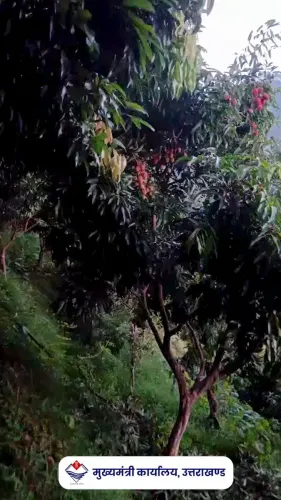
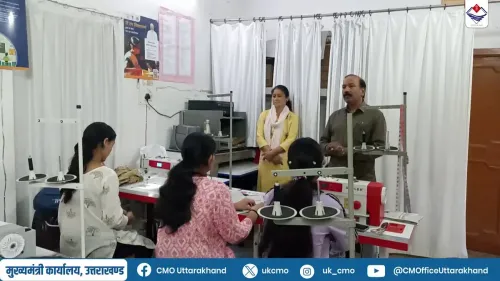
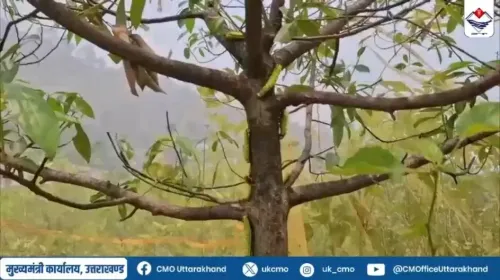
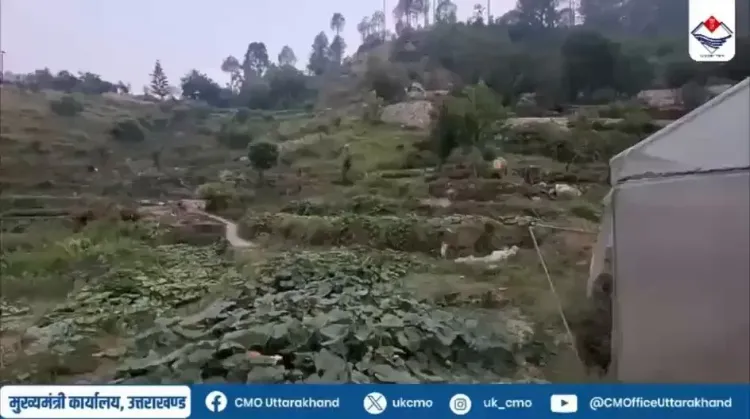
The Chief Minister's Office of Uttarakhand on Sunday, 7 June 2026, spotlighted the Chaube brothers of Chhati Mankot village in Bageshwar district as an exemplary model of organic farming in the hill state, sharing a video of their work on the official CMO account.
The post, in Hindi, states: 'Bageshwar jile ke Chhati Mankot gaon ke Chaube bandhuo ne organic kheti se anukarneey udaharan pesh kiya hai' — 'The Chaube brothers of Chhati Mankot village in Bageshwar district have set an exemplary example through organic farming.'
Context
Bageshwar is a predominantly rural district in Uttarakhand's Kumaon division, where the economy is anchored in rain-fed and terrace agriculture on hilly terrain. Small and marginal farmers here have historically relied on traditional cultivation methods, making the shift to certified organic production both culturally resonant and economically significant.
The CMO's decision to feature the Chaube brothers by name — and to accompany the post with a video — signals an intent to use their story as a replicable template for other hill farming communities across the state.
Policy Backdrop
Uttarakhand has positioned itself as a leading organic-farming state since its formation in 2000, establishing dedicated certification and marketing infrastructure through the Uttarakhand Organic Commodity Board. The state has also been an active implementation ground for the central government's Paramparagat Krishi Vikas Yojana (PKVY), launched in 2015, which funds cluster-based organic conversion and links farmers to premium markets.
At the national level, the National Mission for Sustainable Agriculture (2010) incorporated organic and natural farming components specifically designed for ecologically sensitive Himalayan states. Together, these frameworks have provided financial support, training and market linkages to farmers willing to transition away from chemical inputs.
Stakeholder Impact
For hill farmers in districts like Bageshwar, organic certification opens access to premium domestic and export markets, offering a pathway to higher per-acre income without the capital-intensive input costs of conventional farming. The fragile Himalayan ecosystem also benefits directly: reduced chemical runoff protects river systems and soil biodiversity that underpin long-term agricultural viability.
The CMO's amplification of the Chhati Mankot model adds a layer of official endorsement that can accelerate peer adoption in neighbouring villages, particularly when paired with state horticulture or export-promotion programmes seeking certified organic supply clusters.
What's Next
Attention will now turn to whether the Bageshwar model is formally integrated into the state's organic certification pipeline and linked to export or e-commerce channels that can sustain farmer incomes beyond the initial conversion phase. Expansion of PKVY clusters in Kumaon and possible recognition of Chhati Mankot under state or national agri-innovation awards are among the developments to watch.
If the government follows through with institutional support, the Chaube brothers' example could anchor a broader organic belt in Bageshwar — demonstrating that climate-resilient, chemical-free agriculture in the Himalayas is both viable and scalable.
Point of View
The post personalises a policy agenda that has otherwise remained bureaucratic in its communication. This fits a broader pattern seen across Himalayan states of using social media to build aspirational narratives around organic and natural farming, partly to attract agri-tourism and premium market interest. The real test will be whether institutional follow-through — certification, market linkage, credit access — matches the promotional momentum.
NationPress
22 Oct 2026
Frequently Asked Questions
Who are the Chaube brothers of Chhati Mankot village in Bageshwar?
The Chaube brothers are farmers from Chhati Mankot village in Bageshwar district, Uttarakhand, who have been highlighted by the state's Chief Minister's Office for setting an exemplary model in organic farming.
What is organic farming in Uttarakhand's hill districts?
Organic farming in Uttarakhand's hill districts involves cultivating crops without synthetic chemicals or pesticides, leveraging the region's natural biodiversity and traditional methods, often supported by state certification and central schemes like PKVY.
What is the Paramparagat Krishi Vikas Yojana and how does it help Uttarakhand farmers?
The Paramparagat Krishi Vikas Yojana (PKVY) is a central government scheme launched in 2015 that funds cluster-based organic farming conversion, providing training, certification support and market linkages to farmers in states like Uttarakhand.
What does the Uttarakhand Organic Commodity Board do?
The Uttarakhand Organic Commodity Board is a state agency responsible for promoting, certifying and marketing organic produce from Uttarakhand farmers, helping them access premium domestic and export markets.
Why is Bageshwar important for organic farming in Uttarakhand?
Bageshwar is a rural district in Uttarakhand's Kumaon division where traditional terrace agriculture and natural biodiversity create favourable conditions for organic farming, and successful models there can serve as templates for other hill districts.