CM Dhami Pushes Modern Farming in Bageshwar, Uttarakhand
Synopsis
Under Chief Minister Pushkar Singh Dhami, Uttarakhand is promoting modern farming techniques including mulching in Bageshwar district. The state government says hill farmers are becoming self-reliant through horticulture-focused interventions aligned with national agricultural goals.
Key Takeaways
The Chief Minister's Office of Uttarakhand announced on 14 June 2026 that modern farming is being actively promoted under CM Pushkar Singh Dhami .
Farmers in Bageshwar district , a Himalayan constituency in Uttarakhand, are the highlighted beneficiaries of this push.
Mulching technique and horticulture are specifically identified as the tools driving this agricultural modernisation effort.
The initiative aligns with Uttarakhand's long-standing emphasis on sustainable hill agriculture and the national Atmanirbhar Bharat framework.
The National Horticulture Mission , launched in 2005-06 , provides the broader policy foundation for such state-level interventions.
Expansion of the model to other hill districts will depend on production data and scheme uptake from the current agricultural season.
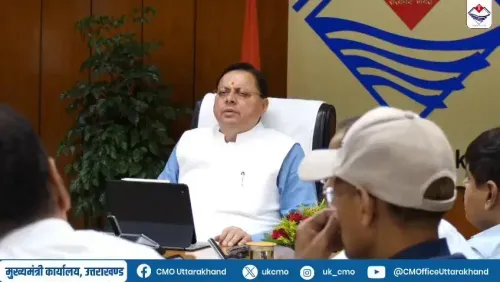
The Chief Minister's Office of Uttarakhand announced on Sunday, 14 June 2026 that modern farming techniques are gaining momentum across the state under the leadership of Chief Minister Pushkar Singh Dhami, with farmers in Bageshwar district emerging as key beneficiaries of this push toward agricultural self-reliance.
Context
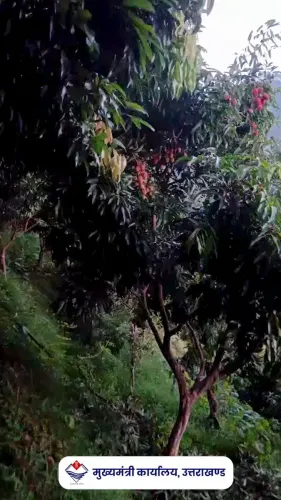
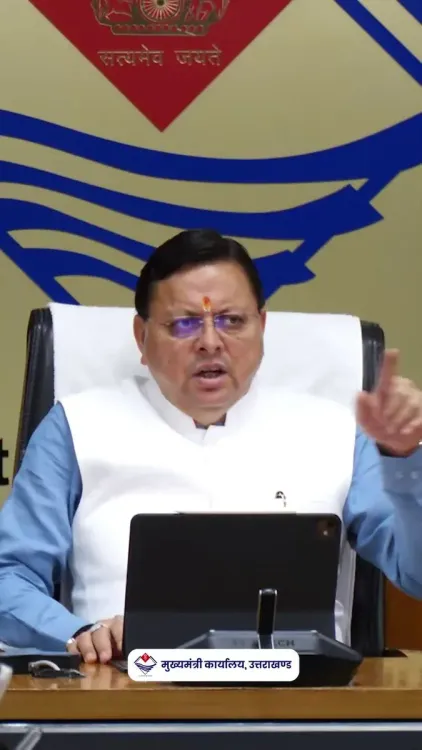
The official post from the Chief Minister's Office states: 'Mukhyamantri Shri Pushkar Singh Dhami ke netritva mein aadhunik kheti ko mil raha badhava, janpad Bageshwar ke kisaan ban rahe aatmanirbhar' — translated as 'Under the leadership of Chief Minister Pushkar Singh Dhami, modern farming is being promoted, and farmers of Bageshwar district are becoming self-reliant.' The post was accompanied by a video and tagged with hashtags referencing mulching technique and horticulture, indicating that these are among the primary tools being deployed to modernise cultivation in the district.
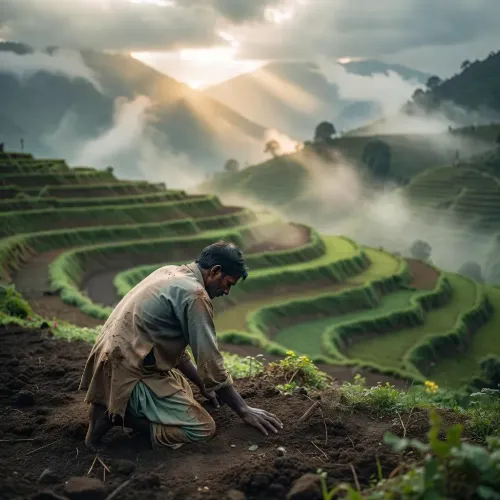
Bageshwar is a Himalayan district in Uttarakhand where horticulture and small-scale farming constitute a significant share of rural livelihoods. The terrain and climate of such hill districts present distinct challenges — including soil erosion, moisture retention, and frost risk — that modern techniques like mulching are specifically designed to address.
Policy Backdrop
Uttarakhand has maintained a policy emphasis on sustainable hill agriculture since its formation as a separate state in 2000. The state's early development framework explicitly prioritised farmer self-reliance given the fragmented landholdings and difficult topography characteristic of the central Himalayas.
At the national level, the National Horticulture Mission, launched in 2005-06, provided a structural framework for expanding horticultural crops and introducing modern cultivation techniques across hill states, including Uttarakhand. The current state-level push aligns with the broader Atmanirbhar Bharat agenda, which links technology adoption by farmers with the goal of rural economic self-sufficiency. Mulching — a technique that involves covering soil with organic or plastic material to retain moisture, regulate temperature, and suppress weeds — is particularly suited to the short growing seasons and variable rainfall patterns of Himalayan districts.
Stakeholders and Impact
The primary beneficiaries highlighted in the announcement are hill farmers and horticulture growers in Bageshwar. For smallholders in districts like Bageshwar, the adoption of techniques such as mulching can meaningfully reduce input costs and crop losses caused by moisture stress or weed competition, potentially raising net income from fruit and vegetable cultivation.
The framing of farmers as 'aatmanirbhar' (self-reliant) signals that the state government is positioning this initiative not merely as an agricultural intervention but as a livelihood and welfare programme. This is consistent with a broader pattern seen across Indian hill states, where governments seek to shift rural communities from subsistence farming toward higher-value horticultural produce.
What's Next
The immediate indicator of this initiative's reach will be district-level horticulture data from Bageshwar and neighbouring districts during the upcoming agricultural season. Scheme uptake figures — covering the number of farmers trained in mulching and related techniques, area brought under modern cultivation, and changes in crop yield — will be the metrics to watch.
If the Bageshwar model demonstrates measurable gains, the Dhami administration is likely to replicate the approach across other hill districts of Uttarakhand, potentially making it a flagship element of the state's agricultural outreach ahead of future policy cycles.
Point of View
The state is consciously echoing the Centre's Atmanirbhar Bharat vocabulary, reinforcing political alignment while addressing a genuine developmental challenge in hill agriculture. The focus on a specific district rather than a state-wide claim suggests the government is building a replicable showcase model — a common strategy in Indian state politics where a visible pilot can be scaled into a broader programme. How quickly district-level data is made public will determine whether this initiative is substantiated as policy or remains primarily a welfare messaging exercise.
NationPress
14 Sept 2026
Frequently Asked Questions
What modern farming techniques are being promoted in Bageshwar, Uttarakhand?
The Uttarakhand government is promoting mulching technique and horticulture-focused cultivation in Bageshwar district. Mulching helps hill farmers retain soil moisture, regulate temperature, and suppress weeds, making it well-suited to Himalayan terrain.
Who is leading the modern farming initiative in Uttarakhand?
Chief Minister Pushkar Singh Dhami is leading the push for modern farming in Uttarakhand. The Chief Minister's Office announced the initiative on 14 June 2026, highlighting Bageshwar district as a key area of focus.
What is the National Horticulture Mission and how does it relate to Uttarakhand?
The National Horticulture Mission was launched in 2005-06 to expand horticultural crops and modern cultivation techniques across Indian states. Uttarakhand has been a participant, and the current state-level push in Bageshwar aligns with this national framework.
How does mulching help farmers in hill districts like Bageshwar?
Mulching involves covering soil with organic or plastic material to retain moisture, regulate soil temperature, and control weed growth. For smallholders in Himalayan districts, it can reduce input costs and crop losses, particularly given the short growing seasons and variable rainfall in such regions.
What does 'aatmanirbhar' mean in the context of Uttarakhand farmers?
'Aatmanirbhar' means self-reliant in Hindi. In this context, the Uttarakhand government is using the term to indicate that farmers in Bageshwar are moving toward economic independence through adoption of modern farming techniques and higher-value horticultural crops.