CM Dhami Calls on Uttarakhand Farmers to Adopt Natural Farming
Synopsis
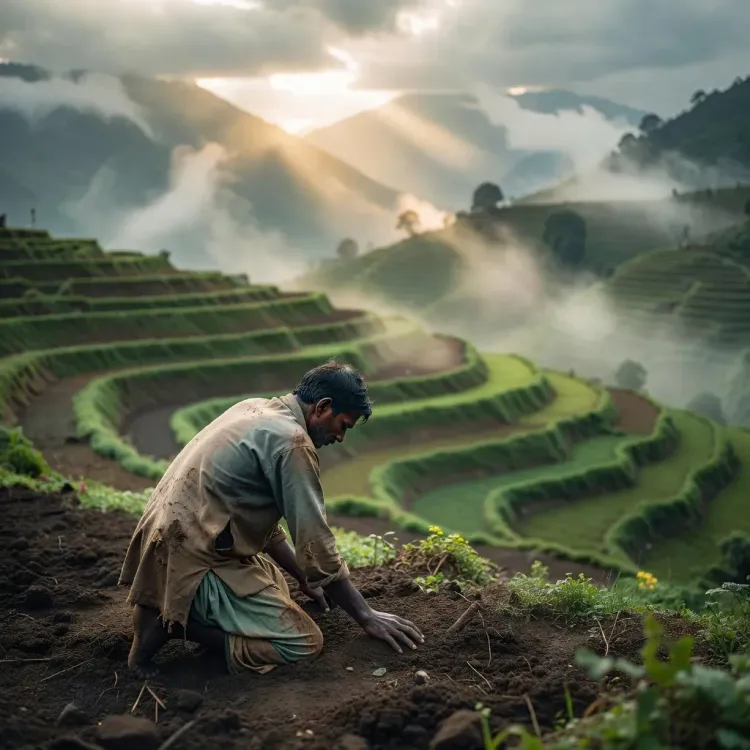
Chief Minister Pushkar Singh Dhami has called on Uttarakhand farmers to pledge to protect soil health, adopt natural farming, and conserve fertile land for future generations, reinforcing the state's push for sustainable agriculture in its fragile Himalayan terrain.
Key Takeaways
CM Pushkar Singh Dhami urged Uttarakhand farmers on 26 June 2026 to adopt natural farming and protect soil health.
The appeal invoked a generational responsibility — conserving fertile land for future generations.
Uttarakhand's hilly terrain makes it especially vulnerable to soil erosion and chemical runoff from conventional farming.
The call aligns with the national Paramparagat Krishi Vikas Yojana (PKVY) , launched in 2015 to promote organic and natural farming clusters.
State-level follow-through in the form of farmer training programmes and input subsidies is expected ahead of the next agricultural season.
Reduced chemical runoff from Himalayan farms has downstream benefits for river quality across the Gangetic basin.
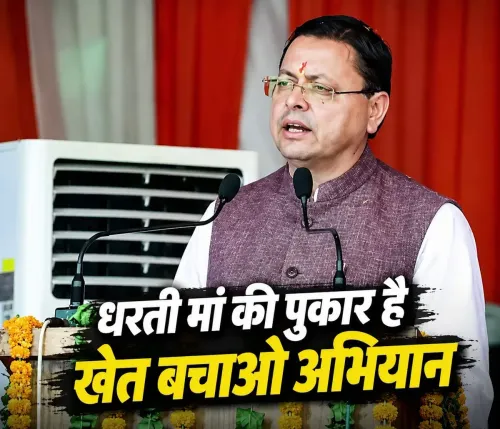
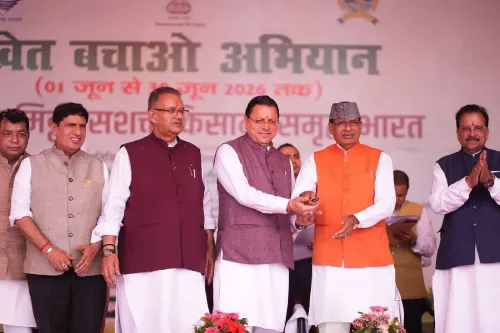
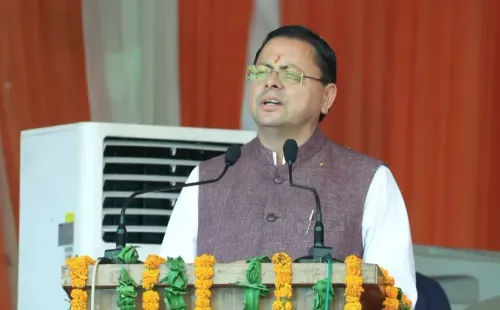
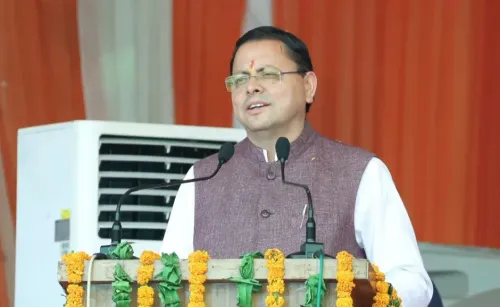
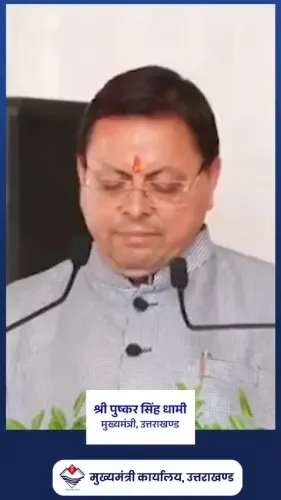
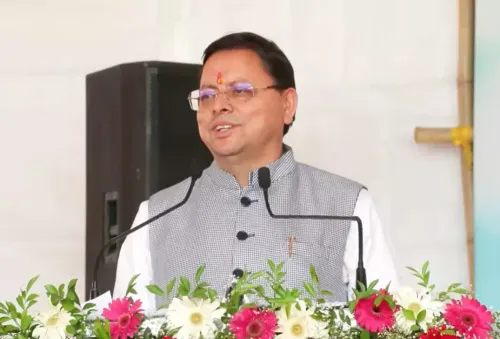
The Chief Minister's Office of Uttarakhand, on Friday, 26 June 2026, shared that Chief Minister Pushkar Singh Dhami has urged farmers across the state to pledge to protect soil health, embrace natural farming practices, and conserve fertile land for future generations.
The official post quoted CM Dhami as calling on farmers to take a collective resolve — 'मिट्टी के स्वास्थ्य की रक्षा करने, प्राकृतिक खेती अपनाने तथा आने वाली पीढ़ियों के लिए उपजाऊ भूमि का संरक्षण करने का संकल्प' ('a pledge to protect soil health, adopt natural farming, and conserve fertile land for coming generations').
Context
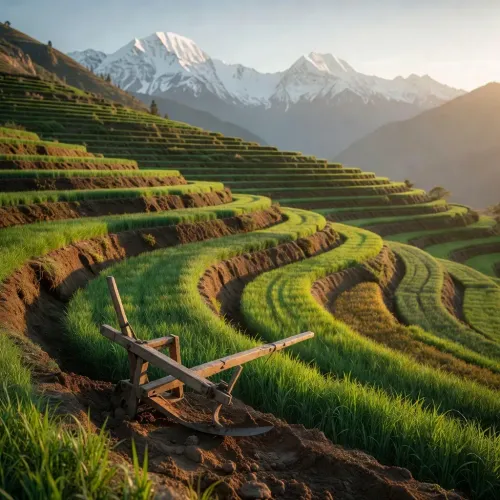
Uttarakhand is a Himalayan state where a significant share of agriculture is practised on hilly, terraced terrain that is inherently vulnerable to soil erosion and chemical runoff. Decades of input-intensive farming have compounded soil degradation concerns, making the push for low-input natural farming methods particularly urgent in this fragile ecosystem.
CM Dhami's appeal is directed squarely at the state's farming community, asking them to treat soil conservation not merely as a government directive but as a personal and generational commitment.
Policy Backdrop
The call aligns with the Paramparagat Krishi Vikas Yojana (PKVY), a Government of India initiative launched in 2015 to promote organic and natural farming clusters across the country. The scheme provides financial support to farmer groups transitioning away from synthetic inputs.
Uttarakhand has been among the states building on this national framework, given its ecological sensitivity. Indian states with fragile mountain ecosystems have increasingly adopted low-input agricultural methods to address soil degradation, reduce chemical dependency, and improve climate resilience in farming communities.
Stakeholders and Impact
The primary stakeholders are Uttarakhand's farming households, many of whom depend on smallholder agriculture in hilly districts. A shift toward natural farming carries implications for input costs, crop yields in transitional years, and long-term soil productivity.
Broader beneficiaries include downstream communities dependent on clean water sources, as reduced chemical runoff from farms in the Himalayas directly affects river quality across the Gangetic basin. Future generations, explicitly invoked by CM Dhami, stand to inherit either degraded or restored agricultural land depending on choices made now.
What's Next
Observers will watch for state-level follow-through in the form of farmer training camps, demonstration plots, and input subsidies for natural farming methods ahead of the next agricultural season. The pledge-based framing of CM Dhami's appeal suggests a community mobilisation approach, which typically precedes structured programme rollouts at the block and district level.
Whether the state translates this public call into measurable targets — such as hectares brought under natural farming or number of certified farmer clusters — will determine the long-term policy weight of the announcement.
Point of View
Lending urgency and moral weight to what are otherwise incremental policy shifts. The invocation of 'coming generations' also signals that the Uttarakhand government is positioning soil conservation as a long-term governance priority, not a seasonal campaign. The real test will be whether this rhetoric is followed by measurable targets and budgetary commitments in the state's agriculture sector.
NationPress
25 Sept 2026
Frequently Asked Questions
What did CM Dhami say about natural farming in Uttarakhand?
CM Pushkar Singh Dhami called on Uttarakhand farmers to pledge to protect soil health, adopt natural farming practices, and conserve fertile land for future generations, as shared by the Chief Minister's Office on 26 June 2026.
What is natural farming and why is it important for Uttarakhand?
Natural farming is a low-input agricultural method that avoids synthetic fertilisers and pesticides. For Uttarakhand, with its fragile Himalayan terrain prone to soil erosion and chemical runoff, natural farming is seen as essential for long-term soil health and ecological stability.
What is the Paramparagat Krishi Vikas Yojana?
The Paramparagat Krishi Vikas Yojana (PKVY) is a Government of India scheme launched in 2015 that provides financial support to farmer clusters transitioning to organic and natural farming methods. Uttarakhand has been building on this national framework.
How does Uttarakhand's geography affect its farming practices?
Uttarakhand's hilly and terraced agricultural land is especially vulnerable to soil erosion and chemical runoff, making it more ecologically sensitive than plains-based farming regions and strengthening the case for low-input natural farming methods.
What should we expect next from the Uttarakhand government on natural farming?
Observers expect the state to announce farmer training camps, demonstration plots, and input subsidies for natural farming ahead of the next agricultural season, translating CM Dhami's pledge-based appeal into structured programmes at the block and district level.