CM Dhami frames Khet Bachao Abhiyan as generational movement
Synopsis
Chief Minister Pushkar Singh Dhami has described Uttarakhand's Khet Bachao Abhiyan as a people's movement, not just a government scheme, linking healthy soil and farmers to the Viksit Bharat 2047 vision. The remarks underscore the state's push to make farmland protection a generational public commitment.
Key Takeaways
CM Pushkar Singh Dhami declared that a healthy farmer, healthy soil and healthy agriculture are the strong foundation of Viksit Bharat and Viksit Uttarakhand .
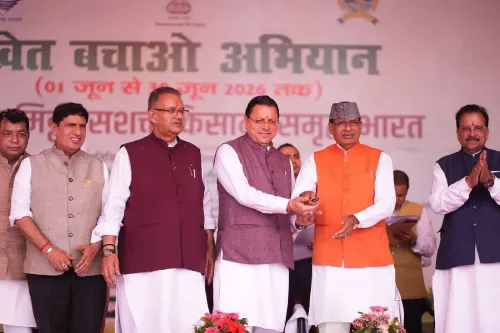
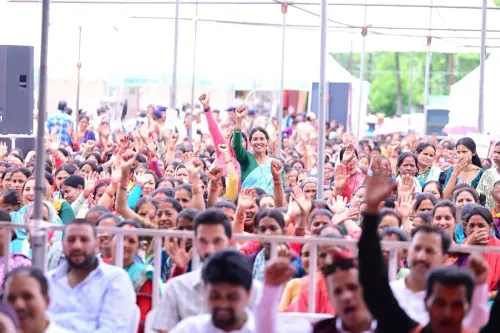
The Khet Bachao Abhiyan ('Save the Fields Campaign') has been framed as a jan andolan — a people's movement — rather than a routine government programme.
The campaign is positioned to serve the secure future of coming generations , signalling a long-term, intergenerational policy intent.
Uttarakhand has a policy lineage in sustainable farming, including an Organic Agriculture Act and participation in the national Soil Health Card scheme launched in 2015 .
Rollout metrics — including land protected and farmer enrolment — and possible linkages with central schemes like PM-KISAN will be key indicators of the campaign's reach in 2026–27 .
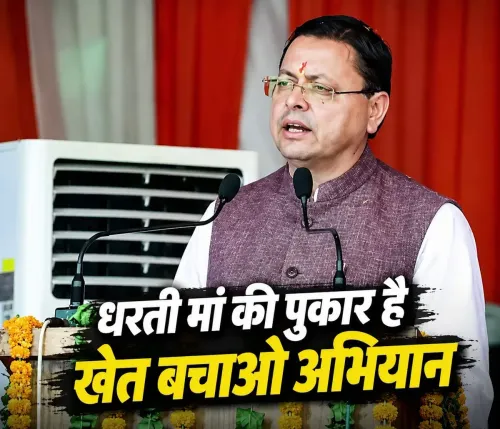
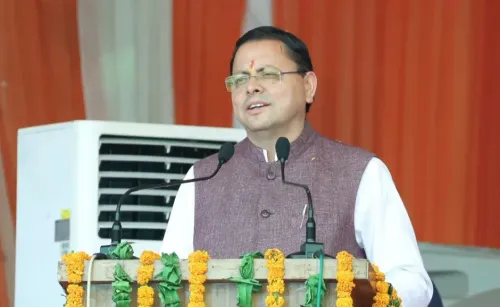
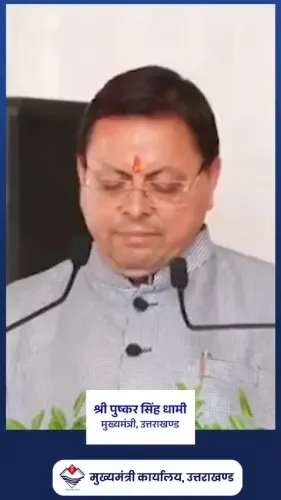
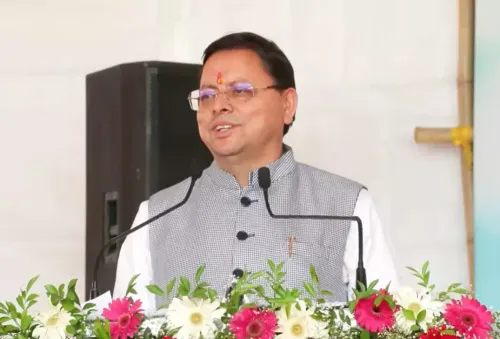
The Chief Minister's Office of Uttarakhand on Friday, 26 June 2026, shared remarks by Chief Minister Pushkar Singh Dhami calling healthy farmers, healthy soil and a healthy agricultural system the foundational pillars of a developed Uttarakhand and a developed India.
Context
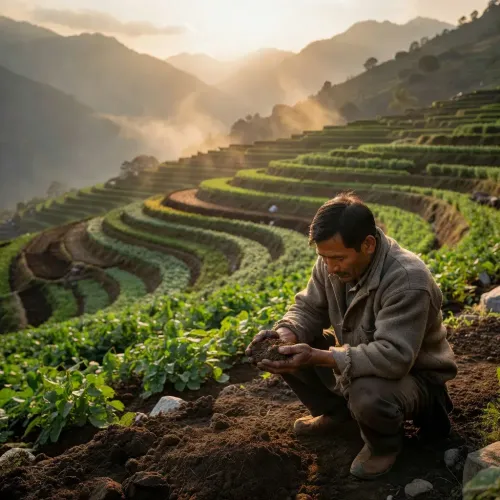
CM Dhami said, 'स्वस्थ किसान, स्वस्थ मिट्टी तथा स्वस्थ कृषि व्यवस्था' ('a healthy farmer, healthy soil and a healthy agricultural system') is the strong foundation of Viksit Bharat and Viksit Uttarakhand. He described the Khet Bachao Abhiyan — translated as the 'Save the Fields Campaign' — not merely as a government programme, but as a jan andolan (people's movement) for the secure future of coming generations. The remarks signal an intent to build broad public ownership around farmland protection beyond routine administrative delivery.
Policy Backdrop
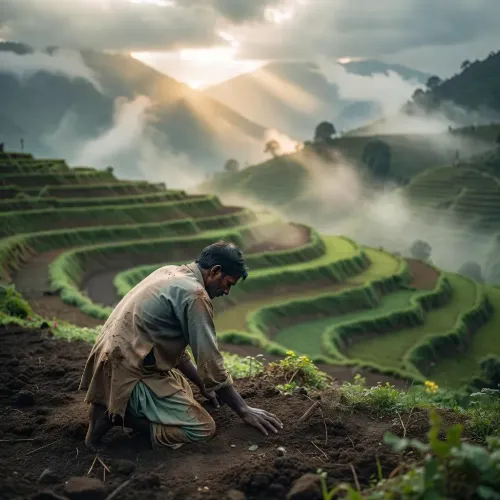
Uttarakhand, a Himalayan state, has long grappled with farmland loss driven by soil degradation and sustained rural out-migration. The state enacted an Organic Agriculture Act and launched certification drives around 2015–2017 to position itself as an organic farming hub, while the nationally launched Soil Health Card scheme of 2015 provided a policy umbrella for balanced fertiliser use and soil testing across the state. The Khet Bachao Abhiyan builds on this lineage, framing conservation not as a bureaucratic exercise but as a participatory, intergenerational commitment.
The campaign aligns with the Viksit Bharat 2047 national vision, which identifies agriculture and soil health as foundational to India's long-term development goals. By anchoring a state-level campaign to a national aspirational framework, the Uttarakhand government is positioning its agricultural agenda within the broader federal policy conversation.
Stakeholders and Impact
The primary beneficiaries of the Khet Bachao Abhiyan are Uttarakhand's farming communities, particularly smallholder and hill farmers who face disproportionate exposure to soil erosion and land fragmentation. Rural communities dependent on subsistence and semi-commercial agriculture stand to gain from any sustained land and soil protection effort. The framing of the campaign as a jan andolan suggests the government is seeking farmer enrolment and community participation beyond top-down implementation.
Broader stakeholders include the state's rural youth, who have historically migrated away from farming due to poor agricultural viability. Restoring soil health and farmland productivity could reduce economic pressure on hill communities and slow the pace of agrarian out-migration that has left large tracts of cultivable land fallow across the state.
What's Next
Observers will watch for concrete rollout metrics from the Khet Bachao Abhiyan, including land area brought under protection, farmer enrolment numbers, and any announced linkages with central schemes such as PM-KISAN or revised state agriculture budget allocations for 2026–27. The government's ability to translate the movement's aspirational framing into measurable outcomes will determine whether the campaign achieves lasting impact on Uttarakhand's agrarian landscape. A public-movement model, if sustained with institutional support, could serve as a template for other hill states confronting similar farmland challenges.
Point of View
CM Dhami is deploying a well-worn but politically potent framing that elevates a state scheme into a civic cause, making it harder for critics to oppose without appearing anti-farmer. The explicit link to Viksit Bharat 2047 is a deliberate alignment with the Centre's development narrative, reinforcing the ruling party's ideological continuity from state to national level. For a Himalayan state haemorrhaging rural population to urban migration, connecting soil health to generational security addresses a real anxiety among farming households. The campaign's credibility will ultimately rest on verifiable outcomes — land area protected, soil quality metrics, farmer incomes — rather than movement rhetoric alone.
NationPress
25 Sept 2026
Frequently Asked Questions
What is the Khet Bachao Abhiyan in Uttarakhand?
The Khet Bachao Abhiyan, or 'Save the Fields Campaign', is a state-level initiative by the Uttarakhand government aimed at protecting agricultural land and promoting soil health. CM Pushkar Singh Dhami has described it as a people's movement for the secure future of coming generations, rather than a routine government programme.
What did CM Pushkar Singh Dhami say about soil health?
CM Dhami said that a healthy farmer, healthy soil and a healthy agricultural system are the strong foundation of both Viksit Uttarakhand and Viksit Bharat. He made these remarks in a post shared by the Chief Minister's Office on 26 June 2026.
What is Viksit Bharat and how does it relate to agriculture?
Viksit Bharat is India's national vision for becoming a developed nation by 2047. Agriculture and soil health are considered foundational elements of this vision, and state campaigns like the Khet Bachao Abhiyan are being aligned with this broader national goal.
Why is farmland protection important for Uttarakhand?
Uttarakhand is a Himalayan state that faces significant farmland loss due to soil degradation, erosion and rural out-migration. Protecting agricultural land is seen as essential for food security, reducing migration and sustaining hill farming communities across generations.
How does Khet Bachao Abhiyan connect to central government schemes?
The campaign operates within the policy umbrella of central schemes such as the Soil Health Card scheme, launched nationally in 2015, and may be linked to PM-KISAN and revised state agriculture budgets for 2026–27, though specific linkages have not yet been officially announced.