CM Dhami Backs Soil Health Drive for Uttarakhand Farmers
Synopsis
Chief Minister Pushkar Singh Dhami has described Uttarakhand's soil health initiative as a 'maha abhiyan' to transform farmers' lives, saying lakhs have pledged to improve soil health. The drive aligns with the national Soil Health Card Scheme launched in 2015.
Key Takeaways
CM Pushkar Singh Dhami called the soil health drive a 'maha abhiyan' — a grand campaign — for India's farming communities.
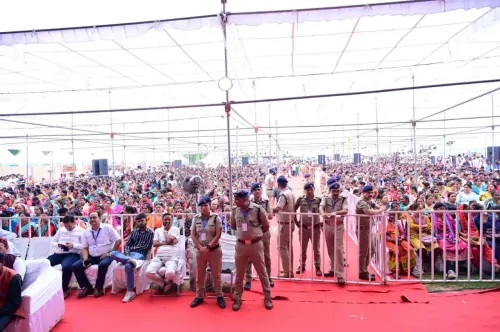
He stated that lakhs of farmers have taken a resolve to improve soil health under the campaign.
The initiative aligns with the Soil Health Card Scheme , a central programme launched in 2015 to provide soil nutrient advisories to farmers.
The campaign targets sustainable agriculture by promoting balanced fertilisation and reducing soil degradation.
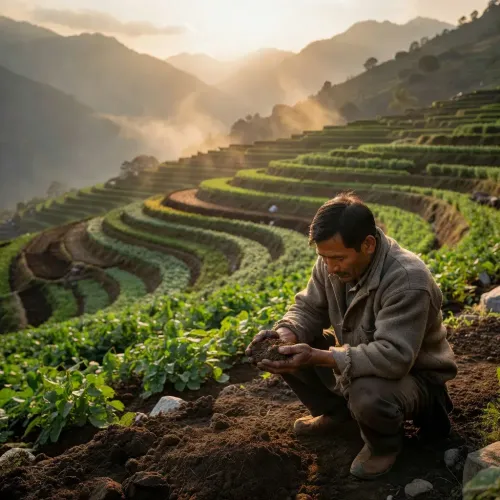
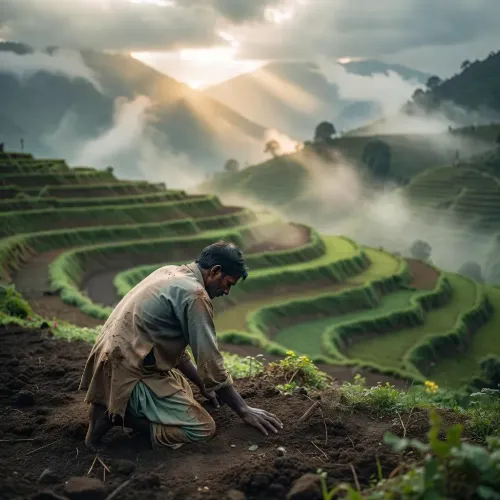
Uttarakhand's hill and plains farmers face distinct soil health challenges including erosion and nutrient depletion in terraced fields.
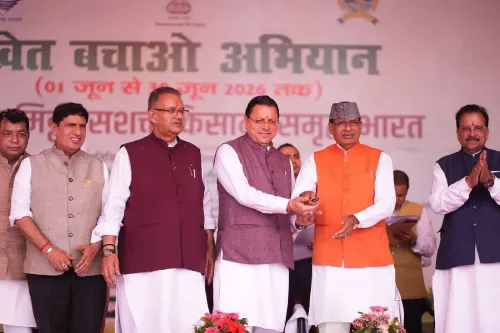
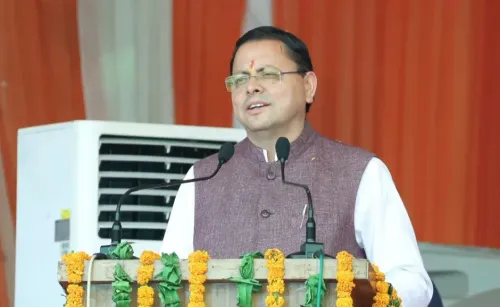
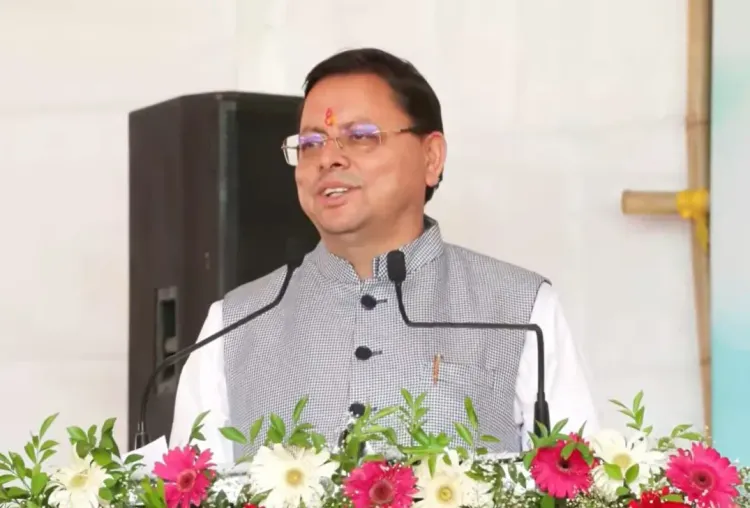
Dehradun, June 6, 2026 — The Chief Minister's Office of Uttarakhand on Saturday shared a statement by Chief Minister Pushkar Singh Dhami calling the ongoing soil health initiative a 'maha abhiyan' — a grand campaign — aimed at transforming the lives of crores of farmers across the country. Dhami said lakhs of farmers have already pledged to improve soil health under the drive.
Context
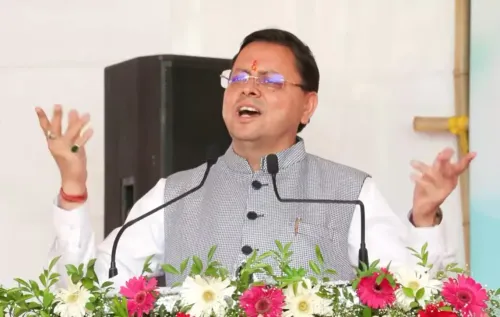
Addressing the campaign, CM Dhami stated: 'Ye desh ke hamare croro annadataon ki zindagi badalne ka ek maha abhiyan hai' ('This is a grand campaign to change the lives of crores of our farmers, the food-providers of this nation'). He added that 'lakho kisan aaj is abhiyan ke antargat mitti ki sehat ko sudhaarne ka sankalp le chuke hain' — 'lakhs of farmers have today taken a resolve to improve soil health under this campaign.'
The statement positions soil health improvement not as a bureaucratic exercise but as a mass people's movement, invoking the term 'annadaata' — the traditional honorific for farmers as providers of food — to underscore the moral weight of the drive.
Policy Backdrop
The campaign aligns with the Soil Health Card Scheme, a central government programme launched in 2015 to provide farmers with soil nutrient status reports and fertiliser recommendations based on scientific testing. The scheme is designed to promote balanced fertilisation, reduce input costs, and arrest soil degradation across Indian farmland.
Over the past decade, the scheme has been progressively integrated with state-level agriculture extension services. Uttarakhand, with its mix of hill and plains farming communities, faces distinct soil health challenges including erosion and nutrient depletion in terraced fields, making targeted soil advisory programmes particularly relevant to the state.
Stakeholders and Impact
The primary beneficiaries are Uttarakhand's farming communities, including smallholder and marginal farmers who depend on rain-fed agriculture in the hill districts. Improved soil health data can help these farmers reduce dependence on chemical fertilisers, lower input costs, and improve crop yields sustainably.
Agricultural extension workers, Krishi Vigyan Kendras, and state agriculture department officials are key implementation actors. The broader national food security agenda also stands to benefit as soil degradation is one of the leading threats to India's long-term agricultural productivity.
What's Next
Attention will now turn to the state-level rollout of soil testing camps in Uttarakhand and whether the participation data cited by CM Dhami will be formalised into verifiable outreach metrics. Integration of soil health data into the state's agriculture extension services and convergence with central scheme funding will be key indicators of the campaign's depth.
If the momentum translates into widespread adoption of soil-test-based fertilisation practices, it could mark a meaningful shift in how Uttarakhand's farmers approach input management — with implications for both farm incomes and environmental sustainability in a ecologically sensitive Himalayan state.
Point of View
CM Dhami is consciously elevating a technical agricultural programme into a populist, farmer-centric narrative — a pattern consistent with the BJP's broader political communication strategy around agrarian welfare. The statement also signals Uttarakhand's alignment with central government priorities on sustainable agriculture ahead of potential scheme reviews. For a hill state where smallholder farming is both an economic reality and a cultural identity, such messaging carries resonance beyond policy circles. Whether the campaign translates into measurable ground-level outcomes — soil testing coverage, fertiliser usage shifts — will determine its lasting significance.
NationPress
21 Oct 2026
Frequently Asked Questions
What is the 'maha abhiyan' CM Dhami referred to for Uttarakhand farmers?
CM Dhami used the term 'maha abhiyan' to describe an ongoing soil health improvement campaign for farmers, under which lakhs of farmers have reportedly pledged to improve the health of their soil, broadly aligned with the national Soil Health Card Scheme.
What is the Soil Health Card Scheme in India?
The Soil Health Card Scheme is a central government programme launched in 2015 that provides farmers with soil nutrient status reports and fertiliser recommendations based on scientific soil testing, aiming to promote balanced fertilisation and reduce soil degradation.
How does soil health improvement benefit Uttarakhand farmers?
Improved soil health data helps Uttarakhand farmers — especially smallholders in hill districts — reduce dependence on chemical fertilisers, lower input costs, and improve crop yields sustainably, while also addressing soil erosion in terraced farmland.
Who is Pushkar Singh Dhami?
Pushkar Singh Dhami is the Chief Minister of Uttarakhand, serving since 2021 from the Bharatiya Janata Party, with a focus on state agriculture, rural development, and alignment with central government welfare schemes.
What does 'annadaata' mean in the context of Indian farming?
'Annadaata' is a traditional Hindi honorific for farmers, literally meaning 'provider of food', used to acknowledge their central role in sustaining the nation's food supply and to convey respect for the farming community.