CM Dhami Urges Uttarakhand Farmers to Adopt Organic Farming
Synopsis
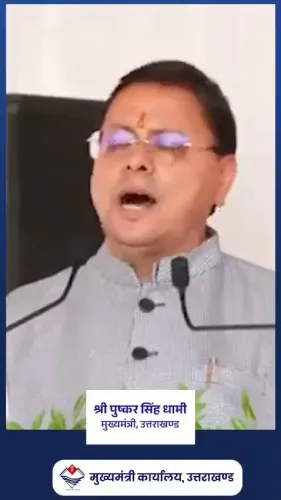
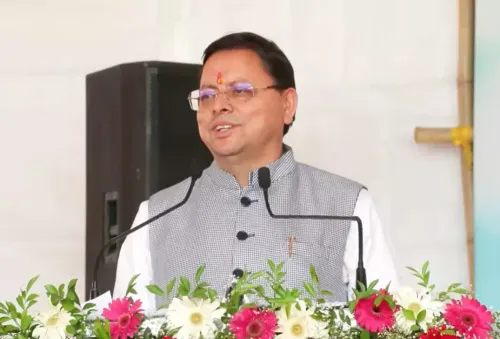
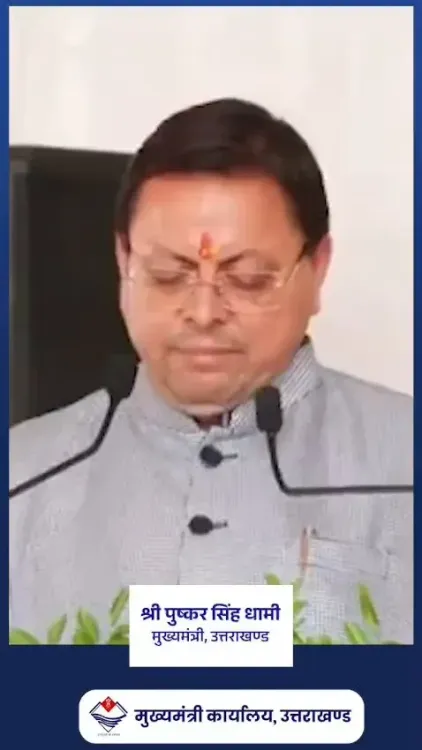
Chief Minister Pushkar Singh Dhami on June 7, 2026 urged Uttarakhand farmers, particularly in Almora, to get their soil tested and adopt organic and natural farming. The appeal aligns with central schemes like PKVY and the Soil Health Card programme, positioning scientific soil data as the foundation for a sustainable agricultural transition in the Himalayan state.
Key Takeaways
CM Pushkar Singh Dhami directly appealed to farmer brothers and sisters in Uttarakhand to get soil tested and move toward organic and natural farming.
The statement was made in the context of Almora , a hill district with a predominantly smallholder farming population.
The appeal aligns with the central government's Paramparagat Krishi Vikas Yojana (PKVY) , launched in 2015 , which promotes organic farming through soil health management.
The Soil Health Card scheme provides farmers with individual soil nutrient data — the baseline step the Chief Minister is urging farmers to take first.
Sikkim's achievement of full organic state status in 2016 has been a key reference point for Himalayan states including Uttarakhand.
Expansion of soil testing labs and certification support across hill districts will be the key indicator of whether this appeal leads to programmatic action.
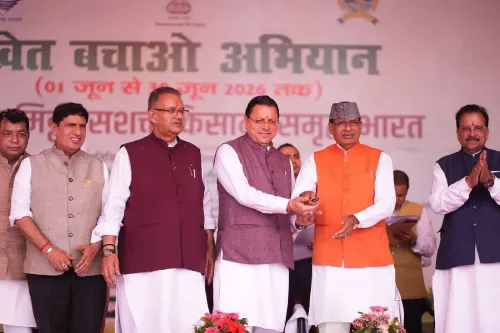
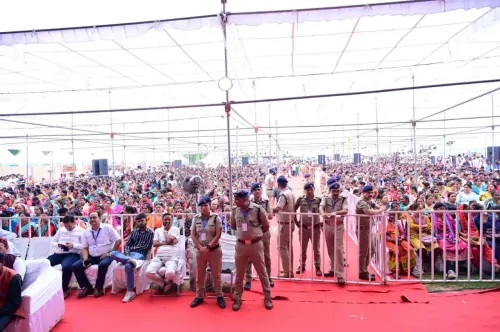
The Chief Minister's Office of Uttarakhand, on behalf of Chief Minister Pushkar Singh Dhami, on Sunday, June 7, 2026, issued a direct appeal to the state's farming community to get their soil tested and transition toward organic and natural farming practices. The statement was made in the context of Almora, a hill district known for its smallholder agricultural traditions.
Context
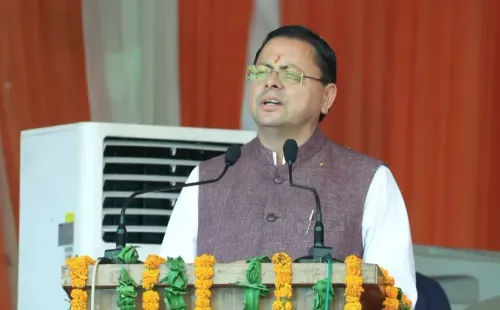
In his appeal, CM Dhami said — 'मैं अपने किसान भाई-बहनों से आग्रह करता हूं कि आप मिट्टी का परीक्षण कराकर जैविक और प्राकृतिक खेती की ओर कदम बढ़ाइए' ['I urge my farmer brothers and sisters to get their soil tested and take steps towards organic and natural farming']. The appeal positions soil testing as the foundational first step before any shift in farming practice.
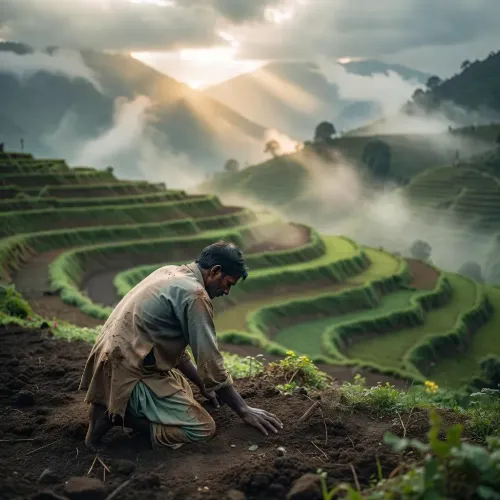
Almora district, located in the central Himalayas, has a predominantly agrarian population dependent on smallholder and subsistence farming. The region's fragmented landholdings and agro-climatic conditions make it particularly suited to low-input organic cultivation rather than chemical-intensive agriculture.
Policy Backdrop
The appeal aligns with the Paramparagat Krishi Vikas Yojana (PKVY), the central government's flagship scheme launched in 2015 to promote organic farming through cluster-based development and soil health management. Under PKVY, farmers are encouraged to form groups, adopt organic inputs, and access certification support — all of which require baseline soil health data.
The national Soil Health Card scheme has been a parallel instrument, providing individual farmers with soil nutrient reports to guide input decisions. Uttarakhand, with its ecologically sensitive terrain, has been identified as a priority state for reducing chemical fertiliser use in favour of organic alternatives. The example of Sikkim, which achieved full organic state status in 2016, has served as a reference point for Himalayan states charting similar transitions.
The Uttarakhand government has progressively promoted sustainable agriculture suited to hilly terrain, leveraging the state's agro-climatic conditions to position its produce as premium organic products in domestic and export markets.
Stakeholders and Impact
The primary beneficiaries of this push are Uttarakhand's small and marginal farmers, who often rely on expensive chemical inputs that erode both soil quality and household incomes over time. A shift to organic and natural farming, once established, can reduce input costs and open access to certified organic markets that command higher prices.
Organic certification, however, requires a transition period — typically two to three years — during which yields may dip before stabilising. State-level support through subsidies, training, and guaranteed procurement is critical to sustaining farmer confidence through this period. The Chief Minister's emphasis on soil testing suggests the government views scientific data as the entry point to building that confidence.
What's Next
Observers will watch for follow-through in the form of expanded soil testing laboratory infrastructure across Uttarakhand's hill districts, as well as certification and market-linkage support under state agriculture schemes in the coming seasons. Potential updates in the state budget or agricultural policy documents regarding natural farming subsidies would signal whether this appeal translates into programmatic action.
With Himalayan soil degradation a growing concern and national policy increasingly favouring natural farming, CM Dhami's statement from Almora could mark the beginning of a more structured state-level push — one that will be measured by the number of farmers who actually receive Soil Health Cards and transition to certified organic cultivation in the seasons ahead.
Point of View
Driven by both ecological imperatives and market opportunity. By foregrounding soil testing, the Chief Minister is signalling a data-first approach that aligns with national Soil Health Card infrastructure, lending the appeal policy credibility beyond rhetoric. The real test, however, is institutional follow-through: whether soil testing labs, organic certification pipelines, and procurement guarantees materialise for Uttarakhand's fragmented hill farmers. If backed by budget allocations, this could position Uttarakhand as the next Himalayan state to pursue a structured organic transition — with Almora as a likely pilot district.
NationPress
23 Oct 2026
Frequently Asked Questions
What did CM Pushkar Singh Dhami say about organic farming in Uttarakhand?
CM Dhami urged farmers in Uttarakhand, in the context of Almora, to first get their soil tested and then take steps toward organic and natural farming, calling them his 'farmer brothers and sisters.'
What is soil testing and why is it important for farmers in Uttarakhand?
Soil testing analyses the nutrient composition and health of agricultural land. For Uttarakhand's hill farmers, it provides the scientific baseline needed to decide which organic inputs to use and helps reduce dependence on costly chemical fertilisers.
What is the Paramparagat Krishi Vikas Yojana and how does it relate to Uttarakhand?
The Paramparagat Krishi Vikas Yojana (PKVY) is a central government scheme launched in 2015 to promote organic farming through cluster-based development and soil health management. Uttarakhand is among the Himalayan states where this scheme supports the transition to organic cultivation.
Has any Himalayan state fully shifted to organic farming?
Yes, Sikkim became India's first fully organic state in 2016 and has since served as a reference model for other Himalayan states, including Uttarakhand, that are exploring similar transitions.
What support do farmers need to shift to organic farming in hilly areas?
Farmers need soil testing services, organic input subsidies, training, a certification pathway — which typically requires two to three years of transition — and guaranteed market linkages or procurement support to make the shift economically viable.