CM Dhami Calls for Nature-Friendly Farming in Almora
Synopsis
Chief Minister Pushkar Singh Dhami, addressing an engagement in Almora on 7 June 2026, called for a shift to nature-friendly and farmer-profitable agriculture, reinforcing Uttarakhand's organic farming policy push and aligning with national natural-farming schemes for hill communities.
Key Takeaways
CM Pushkar Singh Dhami called for agriculture that is both ecologically compatible and profitable for farmers, at an engagement in Almora on 7 June 2026 .
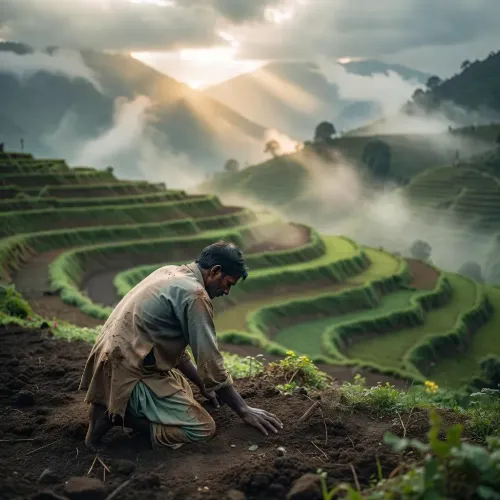
Almora is a smallholder-dominated hill district in Uttarakhand where rain-fed and traditional cultivation are the norm.
Uttarakhand's Organic Agriculture Policy, 2019 provides the existing policy framework for certified organic cultivation and market linkages.
The state's approach aligns with the national Paramparagat Krishi Vikas Yojana (PKVY) , which supports cluster-based natural farming.
Hill farmers stand to benefit from lower input costs and premium organic market access if new natural-farming clusters are rolled out.
Observers will track whether new training programmes or farming clusters are announced in Almora following the Chief Minister's remarks.
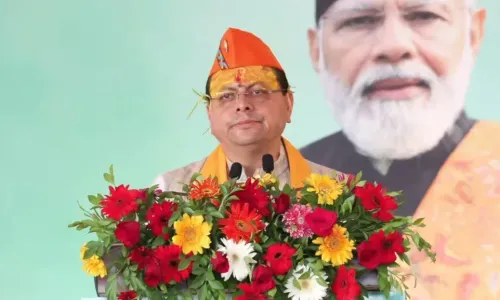
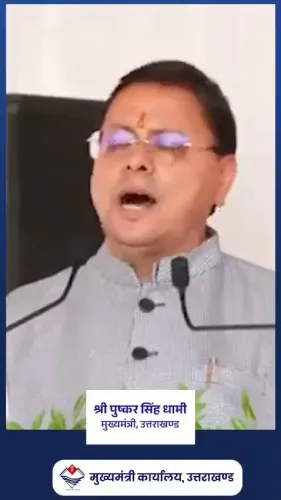
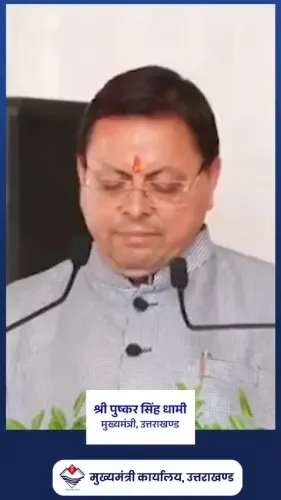
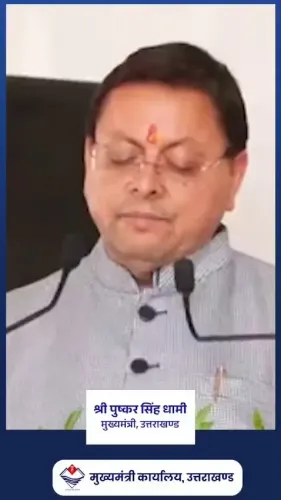
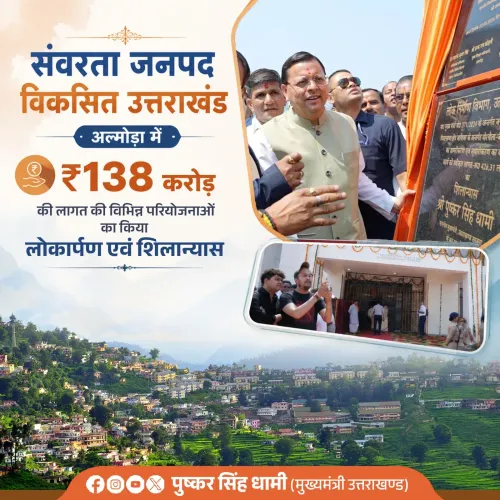
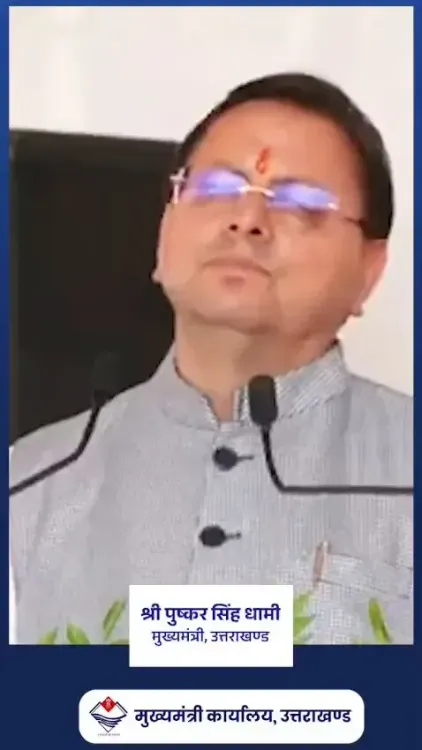
The Chief Minister's Office of Uttarakhand, on behalf of Chief Minister Pushkar Singh Dhami, shared a statement on Sunday, 7 June 2026, in which the Chief Minister called for a shift towards agriculture that is both ecologically compatible and economically rewarding for farmers, with the remarks contextualised in Almora, a hill district of the state.
Context
Speaking in Hindi, CM Dhami said: 'Aaj samay ki maang hai ki hum aisi kheti ki or aage badhen jo prakriti ke anukool ho aur kisanon ke liye labhdayak bhi ho' — ('Today, the need of the hour is that we move towards farming that is in harmony with nature and is also profitable for farmers.'). The statement was accompanied by a video and tagged to Almora and Uttarakhand, signalling that the remarks were made during a district-level engagement.
Almora is a predominantly smallholder farming district nestled in the Kumaon hills, where traditional crops and rain-fed cultivation have long defined rural livelihoods. Farmers here face twin pressures: fragile mountain soils vulnerable to chemical overuse, and thin margins that make input-intensive farming financially precarious.
Policy Backdrop
Uttarakhand has pursued ecological agriculture as a deliberate policy direction for several years. The Uttarakhand Organic Agriculture Policy, 2019 laid the groundwork for expanding certified organic cultivation and creating market linkages that allow hill farmers to earn a premium over conventional produce prices.
At the national level, the Paramparagat Krishi Vikas Yojana (PKVY) has provided a framework and funding channel for cluster-based natural farming, which several Himalayan and rain-fed states have drawn upon. Uttarakhand's state-level missions have sought to align with this national programme, linking ecological farming with soil restoration and climate resilience goals.
The broader push across Himalayan states reflects a recognition that chemical-dependent agriculture poses particular risks in fragile ecosystems, where soil erosion, water-table depletion, and biodiversity loss are already pressing concerns.
Stakeholders and Impact
The primary beneficiaries of any expansion in natural farming clusters would be Uttarakhand's hill farmers, who account for a significant share of the state's rural population. For smallholders in districts like Almora, a reduction in chemical input costs combined with access to premium organic markets could meaningfully improve net farm income.
Environmental stakeholders — including those focused on Himalayan watershed conservation and soil health — stand to gain from reduced agrochemical runoff into the region's rivers and streams. Consumer groups in urban markets, which have shown growing appetite for certified organic produce from hill regions, represent a demand-side constituency that gives such policies commercial viability.
Challenges remain on the transition side: farmers moving from conventional to natural methods typically face a yield-dip period before soil health recovers, making institutional support and assured market access critical to sustaining adoption.
What's Next
Statements of this nature from state leadership in Uttarakhand have historically preceded district-level training programmes, farmer outreach camps, or the announcement of new natural-farming clusters. Observers will watch whether Almora becomes the site of a pilot cluster demonstration under existing state or central schemes.
The rollout of any new programme, changes in certified organic acreage, and reported shifts in input costs or produce prices for participating farmers will be the concrete indicators of whether this policy direction translates into measurable on-ground impact for Uttarakhand's hill farming communities.
Point of View
This policy direction also carries soft-power value beyond the agriculture sector. The test will be whether the rhetoric is followed by funded cluster rollouts, assured procurement, and genuine yield-transition support for smallholders in vulnerable hill districts.
NationPress
24 Oct 2026
Frequently Asked Questions
What did CM Pushkar Singh Dhami say about farming in Almora?
CM Dhami stated that the need of the hour is to move towards farming that is in harmony with nature and also profitable for farmers, in remarks made during an engagement in Almora on 7 June 2026.
What is Uttarakhand's organic farming policy?
The Uttarakhand Organic Agriculture Policy, 2019 aims to expand certified organic cultivation across the state and create market linkages so that hill farmers can earn a premium over conventional produce prices.
What is Paramparagat Krishi Vikas Yojana and how does it relate to Uttarakhand?
Paramparagat Krishi Vikas Yojana (PKVY) is a national scheme that supports cluster-based natural and organic farming; Uttarakhand's state-level missions align with it to promote ecological agriculture among hill farmers.
How does natural farming benefit hill farmers in Uttarakhand?
Natural farming can reduce chemical input costs, improve soil health over time, and open access to premium organic markets, potentially improving net income for smallholder farmers in districts like Almora.
What should we watch for after CM Dhami's Almora agriculture statement?
Key indicators to watch include announcements of new natural-farming clusters or training programmes in Almora, changes in certified organic acreage, and shifts in input costs or produce prices for participating farmers.