CM Dhami Urges Uttarakhand Farmers Toward Organic Farming
Synopsis
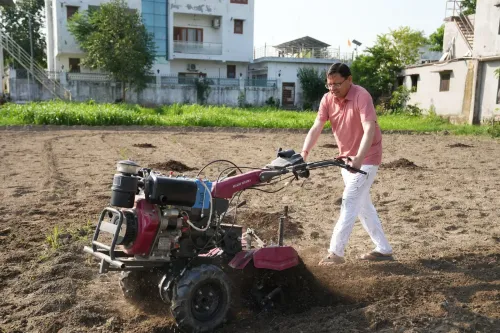
Uttarakhand Chief Minister Pushkar Singh Dhami on June 6 called on farmers to embrace organic and natural farming, conduct soil testing, and cut chemical fertiliser dependence — reinforcing the state's alignment with India's sustainable agriculture push.
Key Takeaways
CM Pushkar Singh Dhami publicly appealed to Uttarakhand farmers on June 6, 2026 to shift toward organic and natural farming.
He specifically urged farmers to conduct soil testing and adopt balanced water use alongside reducing chemical fertiliser dependence.
Cabinet Minister Ganesh Joshi , MLA Mohan Maharaj , Dr.
Pramod Nainwal , and MJ Eena were present at the event.
The appeal aligns with the central government's Paramparagat Krishi Vikas Yojana , launched in 2015 to promote organic farming clusters.
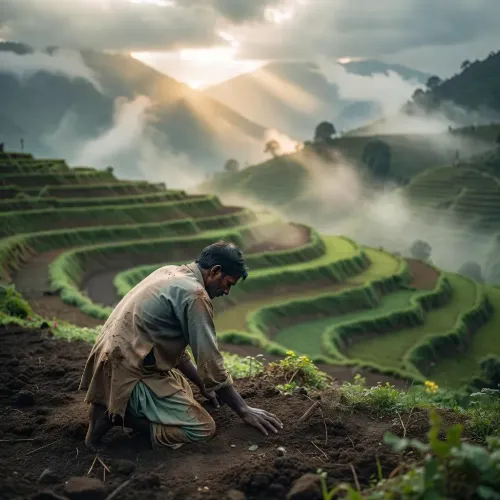
Uttarakhand's geography makes it well-suited for low-input organic farming, though infrastructure for soil testing and organic inputs remains a key challenge.
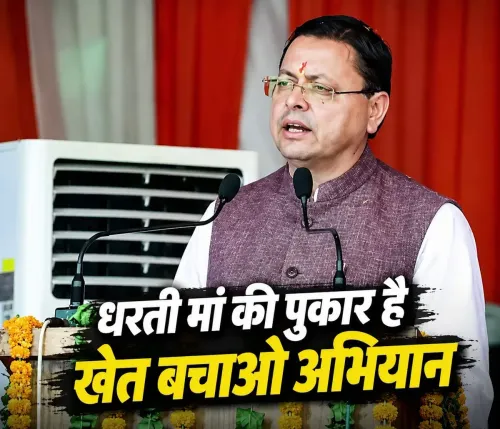
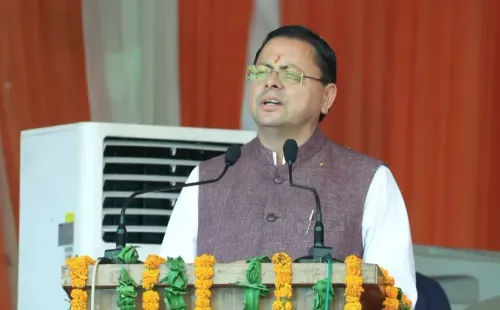
Uttarakhand Chief Minister Pushkar Singh Dhami on Saturday, June 6, 2026, appealed to farmers in the state to adopt organic and natural farming practices, reduce dependence on chemical fertilisers, conduct soil testing, and use water judiciously.
Context
Posting on X, CM Dhami urged farmers: 'kisanon se aagraha hai ki ve mitti parikshan avashya karaen, pani ka santulit upyog karen aur rasayanik khadon par nirbharta kam karte hue jaivik evam prakritik kheti ki or badhen' — ('Farmers are requested to get soil testing done, use water in a balanced manner, and move towards organic and natural farming while reducing dependence on chemical fertilisers.')
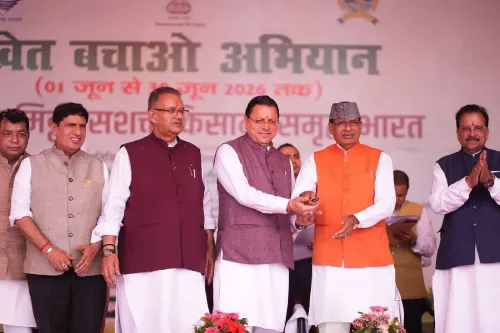
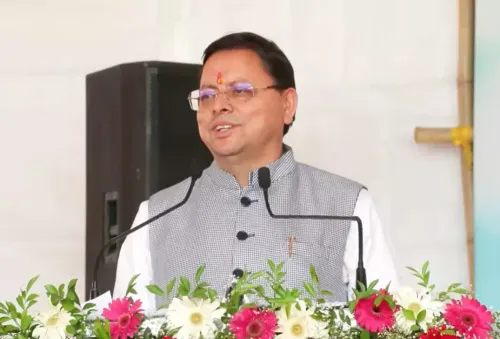
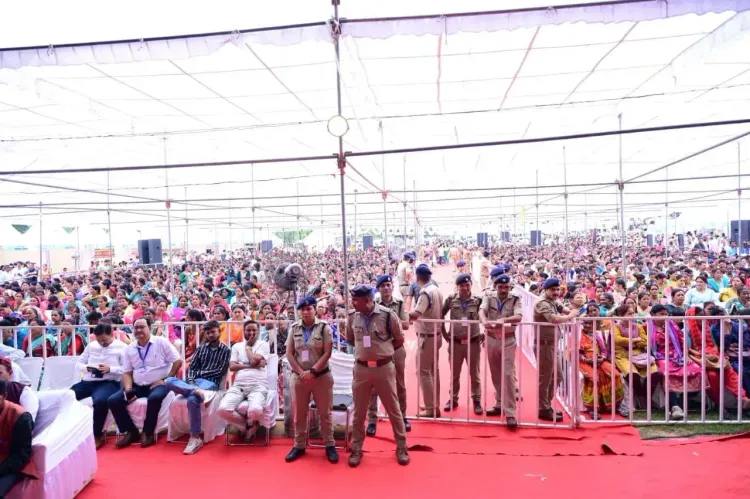
The appeal was made at a public event attended by Cabinet Minister Ganesh Joshi, MLA Mohan Maharaj, Dr. Pramod Nainwal, and MJ Eena, according to the post.
Policy Backdrop
The call aligns with the Paramparagat Krishi Vikas Yojana (PKVY), launched by the Government of India in 2015, which promotes cluster-based organic farming across states. Uttarakhand has been actively pursuing state-level natural farming programmes as part of its broader sustainable agriculture agenda.
Across India, concerns over soil degradation, groundwater depletion, and long-term productivity loss from intensive chemical farming have pushed state governments to integrate sustainable advisory messaging into agricultural extension services. Uttarakhand's hilly terrain makes it particularly suited to low-input, organic farming models.
Stakeholders and Impact
The primary beneficiaries of this advisory are Uttarakhand's farming communities, who continue to rely heavily on chemical inputs despite growing awareness of their environmental costs. Soil testing infrastructure and access to organic inputs remain critical enablers for any meaningful shift in farming behaviour.
Water conservation is a pressing concern in the state, where erratic monsoons and shrinking glacial sources have made balanced irrigation practices increasingly important for agricultural sustainability.
What's Next
Observers will watch whether this appeal is backed by concrete budget allocations, expanded soil-testing facilities, or new training programmes for natural farming in Uttarakhand. State-level monitoring of organic farming adoption rates will be a key indicator of follow-through on the Chief Minister's stated priorities.
If the government moves to formalise these advisories into structured schemes or financial incentives, it could meaningfully accelerate the transition away from chemical-dependent agriculture in the state.
Point of View
Particularly around reducing the chemical fertiliser subsidy burden. The explicit mention of soil testing and water conservation signals an attempt to move beyond rhetoric toward measurable farmer behaviour change. However, without accompanying announcements on infrastructure investment or financial incentives, such appeals risk remaining advisory in nature. The presence of senior party legislators at the event suggests this is being positioned as a political priority, not merely a departmental communication.
NationPress
21 Oct 2026
Frequently Asked Questions
What did CM Dhami say to farmers about organic farming?
CM Pushkar Singh Dhami urged farmers to get soil testing done, use water in a balanced manner, and gradually shift to organic and natural farming while reducing their dependence on chemical fertilisers.
What is Paramparagat Krishi Vikas Yojana?
Paramparagat Krishi Vikas Yojana is a central government scheme launched in 2015 to promote cluster-based organic farming across India, including in states like Uttarakhand.
Why is organic farming important for Uttarakhand?
Uttarakhand's hilly terrain, shrinking water sources, and soil health concerns make it particularly suited to organic and natural farming, which reduces environmental degradation from intensive chemical use.
Who attended the event with CM Dhami on June 6?
Cabinet Minister Ganesh Joshi, MLA Mohan Maharaj, Dr. Pramod Nainwal, and MJ Eena were present at the event alongside CM Dhami.
How is Uttarakhand promoting sustainable agriculture?
Uttarakhand has been pursuing state-level natural farming programmes aligned with central schemes, with senior government officials actively promoting soil testing, water conservation, and reduced chemical fertiliser use among farmers.