CM Dhami Backs Local Products via Bageshwar Sunday Market
Synopsis
The Uttarakhand Chief Minister's Office on 16 June 2026 spotlighted the Bageshwar Sunday Market as a self-employment platform under CM Pushkar Singh Dhami, reflecting the state's push to promote local products and curb out-migration from hill districts.
Key Takeaways
The Uttarakhand CMO on 16 June 2026 promoted the Bageshwar Sunday Market as a self-employment platform.
CM Pushkar Singh Dhami is credited with driving state-level encouragement of local products.
The initiative aligns with the Mukhyamantri Swarozgar Yojana , launched in 2021 , which supports rural self-employment across Uttarakhand.
Bageshwar is a hill district with a rural economy historically affected by out-migration.
Local vendors, farmers, and women-led micro-enterprises are key beneficiaries of the market model.
Expansion of the weekly market model to other Uttarakhand districts is being watched as a potential next step.
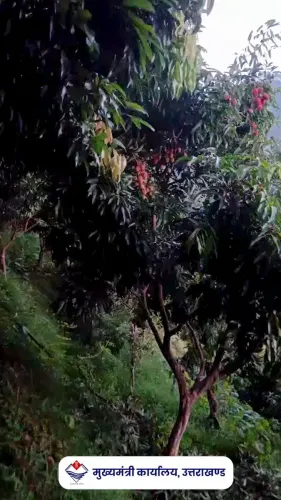
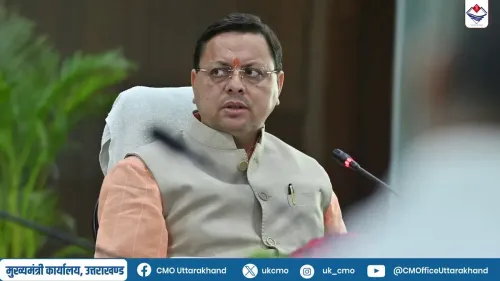
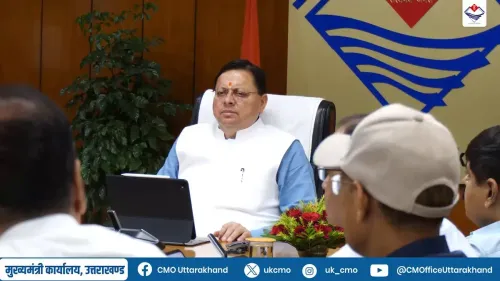
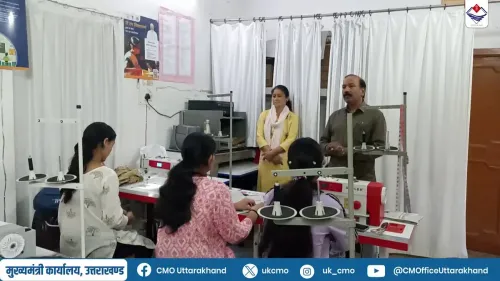
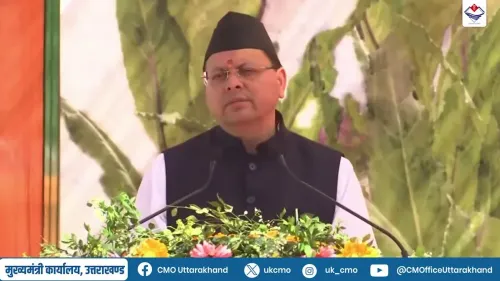
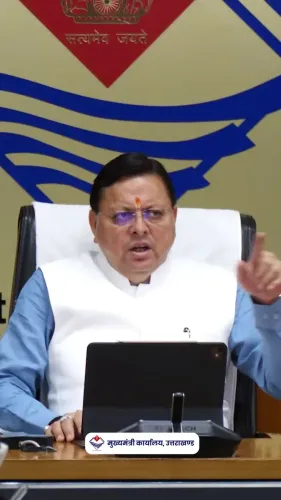
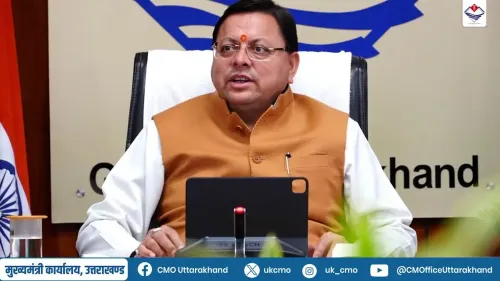
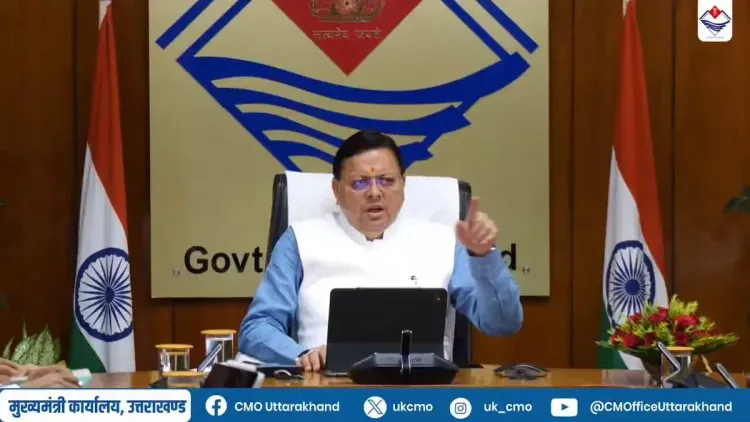
The Chief Minister's Office of Uttarakhand on Tuesday, 16 June 2026, highlighted how the Bageshwar Sunday Market (Sanday Bazar) has emerged as a robust platform for self-employment under the leadership of Chief Minister Pushkar Singh Dhami, with local products receiving active state encouragement.
The post, shared in Hindi, stated: 'Mukhyamantri Shri Pushkar Singh Dhami ke netritva mein sthaniya utpadon ko mil raha protsahan, janpad Bageshwar ka Sunday Bazar bana swarozgar ka sashakt manch' — meaning, 'Under the leadership of Chief Minister Pushkar Singh Dhami, local products are receiving encouragement; the Sunday Market of Bageshwar district has become a powerful platform for self-employment.'
Context
Bageshwar is a predominantly rural hill district in Uttarakhand, with an economy centred on local produce and small-scale trade. Like many Himalayan districts, it has historically faced out-migration as residents seek livelihood opportunities in urban centres. Weekly markets, or haats, have long served as informal economic anchors in such communities, connecting producers directly with consumers.
The Sunday Market in Bageshwar is being positioned by the state government as more than a traditional bazaar — it is framed as a structured outlet for rural entrepreneurs and local artisans to sustain income without leaving their home districts.
Policy Backdrop
The initiative aligns with the Mukhyamantri Swarozgar Yojana, launched in 2021, which provides loans and institutional support for self-employment ventures across Uttarakhand's districts. The scheme has been a cornerstone of the Dhami government's economic agenda, targeting rural and semi-urban populations with limited access to formal employment.
Uttarakhand governments have consistently prioritised district-level haats and weekly markets as mechanisms to channel local produce into sustainable income streams. This approach is part of a broader state strategy that links self-employment schemes with the promotion of regional products — from agricultural goods to handicrafts — and aims to reduce chronic out-migration from hill areas.
Stakeholders and Impact
The primary beneficiaries of the Bageshwar Sunday Market model are local vendors, farmers, and rural entrepreneurs who gain a regularised, government-backed space to sell their products. For many, such markets reduce dependence on intermediaries and improve profit margins on locally grown or crafted goods.
The state's active promotion of this market through official channels signals an intent to scale visibility and footfall, potentially attracting buyers from outside the district. Women-led micro-enterprises and self-help groups, which are significant participants in Uttarakhand's rural economy, stand to benefit from such structured market access.
What's Next
Observers will watch whether the Bageshwar Sunday Market model is replicated across other migration-prone districts of Uttarakhand, a step that state officials have indicated could form part of a wider district-level market expansion programme. A mid-term review of Mukhyamantri Swarozgar Yojana targets is also expected to assess how many beneficiaries have been absorbed through such market-linked initiatives.
If the model demonstrates measurable impact on local incomes and reduced out-migration, it could become a template for hill-state economic policy more broadly — with implications for how Uttarakhand positions itself in national conversations on rural self-employment.
Point of View
District-level outcomes rather than abstract policy metrics. By associating CM Dhami personally with local-product promotion, the CMO is reinforcing a 'pro-local economy' identity ahead of any future electoral cycle. The emphasis on self-employment through market access — rather than direct transfers — also reflects a governance preference for supply-side rural interventions. Whether the model delivers at scale will depend on sustained administrative follow-through beyond the initial publicity push.
NationPress
15 Sept 2026
Frequently Asked Questions
What is the Bageshwar Sunday Market in Uttarakhand?
The Bageshwar Sunday Market, or Sanday Bazar, is a weekly market in Bageshwar district, Uttarakhand, being promoted by the state government as a platform for local vendors and rural entrepreneurs to sell locally produced goods and earn self-employment income.
What is the Mukhyamantri Swarozgar Yojana in Uttarakhand?
The Mukhyamantri Swarozgar Yojana is a state government scheme launched in 2021 that provides loans and institutional support to individuals seeking self-employment across Uttarakhand's districts, with a focus on rural and semi-urban populations.
How is CM Pushkar Singh Dhami promoting local products in Uttarakhand?
Under CM Dhami's leadership, the Uttarakhand government has been encouraging local products through initiatives such as district-level weekly markets like the Bageshwar Sunday Market, linking them with self-employment schemes to support rural entrepreneurs.
Why is out-migration a concern in Bageshwar and Uttarakhand hill districts?
Bageshwar and similar hill districts in Uttarakhand have historically seen residents migrate to urban areas in search of livelihood opportunities, as the local rural economy offers limited formal employment. Weekly markets and self-employment schemes aim to provide income options that reduce this migration.
Will the Bageshwar Sunday Market model be expanded to other districts?
State observers are watching for an expansion of the weekly market model to additional migration-prone districts in Uttarakhand, though no formal announcement of such expansion has been made as of 16 June 2026.