Uttarakhand CM Office Highlights Self-Employment Push in Bageshwar
Synopsis
The Chief Minister's Office of Uttarakhand announced on 18 October 2026 that self-employment in the state is gaining fresh momentum, spotlighting Bageshwar district as a focal point of the government's drive to build rural livelihoods and curb out-migration from the hills.
Key Takeaways
The Chief Minister's Office of Uttarakhand posted on 18 October 2026 highlighting accelerating self-employment activity in Bageshwar district .
Bageshwar is a remote district in Uttarakhand's Kumaon division, historically dependent on subsistence agriculture and seasonal tourism.
Uttarakhand has repeatedly run district-level self-employment drives combining credit support, skill training, and subsidies in sectors like horticulture and homestay tourism.
Out-migration of rural youth remains a persistent challenge that the state government's self-employment push directly targets.
Specific beneficiary numbers, scheme names, and credit volumes from the Bageshwar initiative were not disclosed in the post.
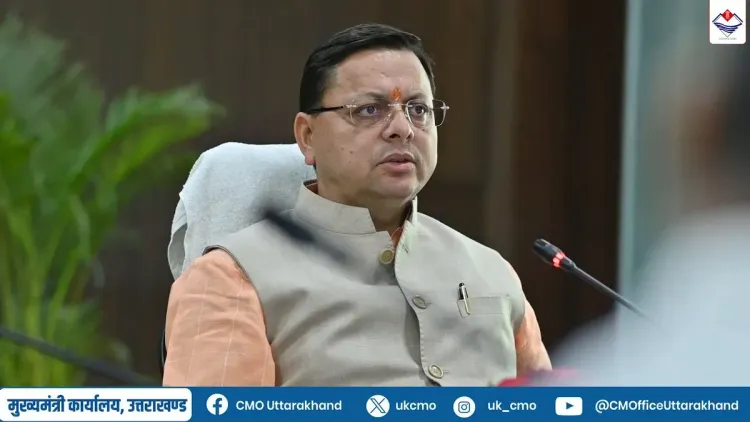
In the hills of Uttarakhand, where out-migration has long drained villages of their youngest and most ambitious, Bageshwar district is emerging as a fresh front in the state's war on unemployment. The Chief Minister's Office of Uttarakhand announced on Sunday, 18 October 2026 that self-employment in the state is gaining new momentum — with Bageshwar at the centre of the story.
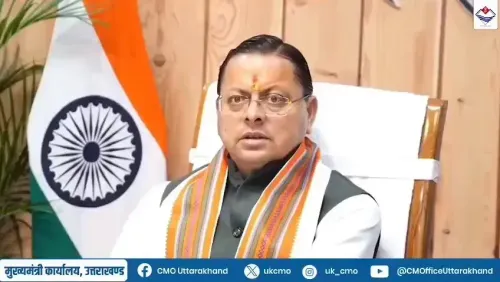
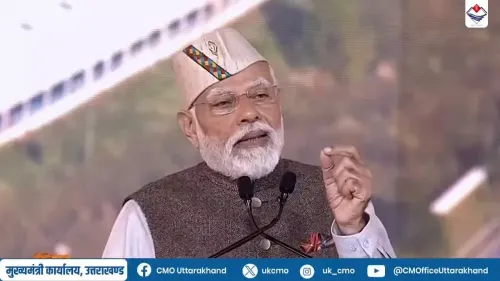
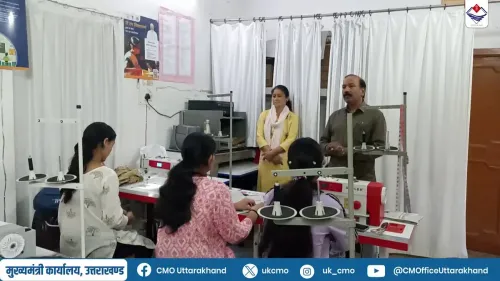
The post, shared in Hindi, declared: 'Uttarakhand mein swajgar ko mil rahi nayi raftaar' — 'Self-employment in Uttarakhand is getting a new speed.' A video accompanied the announcement, spotlighting what the state government frames as a tangible shift in opportunity for residents of one of its more remote Kumaon division districts.
Why Bageshwar, and Why Now
Bageshwar sits deep in Uttarakhand's Kumaon hills — a district whose economy has historically leaned on subsistence agriculture, seasonal pilgrimage tourism, and the remittances of family members who left for the plains. Youth unemployment and village depopulation are chronic problems here, not abstract statistics. For a state government that has repeatedly pledged to reverse that tide, a visible self-employment drive in Bageshwar carries both policy and political signal.
Uttarakhand has, over successive administrations, rolled out district-level programmes that bundle credit access, skill training, and subsidies — targeting sectors like horticulture, homestay tourism, and micro-manufacturing. The emphasis on hill districts like Bageshwar reflects a recognition that generic industrial-park models do not work in terrain where road connectivity is limited and population density is low. Locally anchored enterprise — a small orchard, a homestay, a food-processing unit — is the model that has the best chance of keeping families rooted.
The Larger Self-Employment Drive Across the State
Uttarakhand's push for self-employment is not new, but the state government's framing of it as gaining 'new speed' suggests a scaling of existing efforts. District-level drives typically involve convergence of central and state scheme funding — from credit-linked subsidy programmes to skill development missions — channelled through local administration and industry bodies. When such drives reach districts like Bageshwar, it often marks the extension of an initiative that began in more accessible urban centres.
The state's challenge remains consistent: create enough viable livelihood options in the hills to slow the demographic drain, and make rural self-employment aspirational rather than a fallback. Bageshwar's inclusion in this push is a concrete, if early, indicator of where the government's rural economy focus is pointed.
Numbers from the Bageshwar rollout — how many beneficiaries, which sectors, what credit volumes — will be the real test of whether this 'new speed' translates into sustained livelihoods, or remains a policy announcement still looking for its feet.
Point of View
Not just its urban-adjacent belt. For a government that has staked credibility on reversing Uttarakhand's demographic drain, visible activity in Kumaon's interior districts is both a policy necessity and a political message. The broader pattern here is consistent with how Himalayan states build their rural economy narrative: anchor it in relatable, village-scale enterprise rather than industrial abstractions. The real test will come in the follow-through — beneficiary data, sector-wise disbursements, and whether the 'new speed' of 2026 outlasts the announcement cycle.
NationPress
18 Oct 2026
Frequently Asked Questions
What is the self-employment initiative in Uttarakhand's Bageshwar district?
The Chief Minister's Office of Uttarakhand announced on 18 October 2026 that self-employment in the state is gaining new momentum, with Bageshwar district highlighted as a focus area. Specific scheme details were not disclosed in the post.
Why is Bageshwar significant for Uttarakhand's economy?
Bageshwar is a remote district in the Kumaon division with a largely rural economy dependent on agriculture and seasonal tourism. It is emblematic of the out-migration challenge that Uttarakhand governments have long sought to address through rural self-employment drives.
What kind of self-employment schemes does Uttarakhand run in hill districts?
Uttarakhand has historically rolled out district-level programmes combining credit support, skill training, and subsidies in sectors such as horticulture, homestay tourism, and micro-manufacturing, designed to suit the terrain and demographics of hill districts.
What is the out-migration problem in Uttarakhand?
Uttarakhand's remote hill districts have experienced sustained loss of population, particularly rural youth, who move to plains cities for employment. Self-employment and rural livelihood schemes are the state government's primary tool to slow this demographic drain.
What should we watch for next from Uttarakhand's Bageshwar self-employment drive?
Key indicators to watch include rollout announcements with beneficiary numbers, sector-wise credit disbursements, and whether the initiative expands to other remote hill districts in Kumaon and Garhwal divisions.