CM Nayab Saini warns of 'intellectual Naxals' after LWE decline
Synopsis
Haryana Chief Minister Nayab Singh Saini declared on November 1, 2026 that armed Naxalism has been defeated and urged vigilance against 'intellectual Naxals' — those who allegedly spread Maoist ideology through ideas rather than weapons, marking a rhetorical shift in India's internal-security discourse.
Key Takeaways
Nayab Singh Saini posted on November 1, 2026 declaring Naxalism finished and warning against 'dimaagi Naxals' — intellectual or ideological sympathisers.
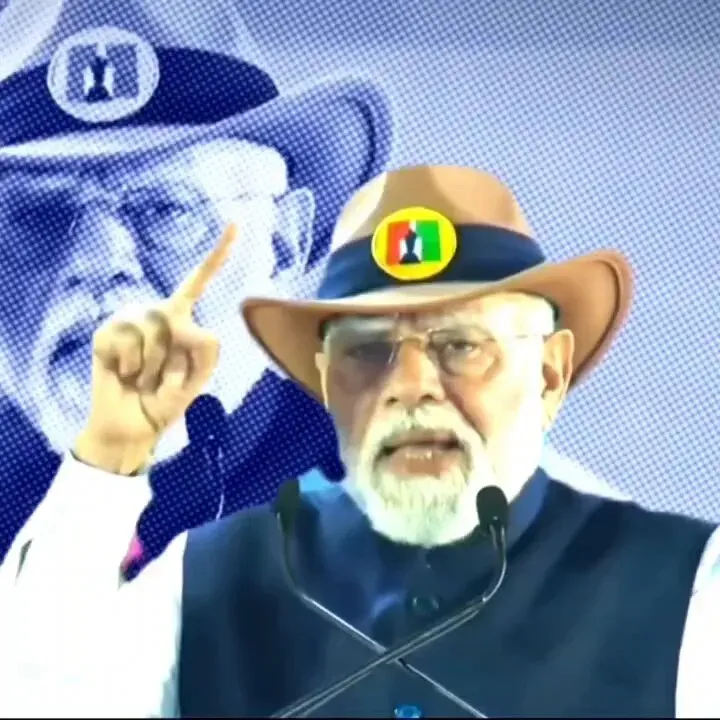
The post included a video, indicating a prepared statement rather than an impromptu remark.
Ministry of Home Affairs data over the 2010s–2020s showed a sustained decline in Left Wing Extremism incidents and affected districts, the backdrop Saini invokes.
The term 'urban Naxal' or 'intellectual Naxal' has been a recurring BJP framing for alleged ideological support networks in cities.
Haryana is not a core Naxal-affected state, but its BJP government is aligning with national security messaging on internal threats.
Saini took office as Haryana Chief Minister in March 2024 after Manohar Lal Khattar moved to the Union Cabinet.
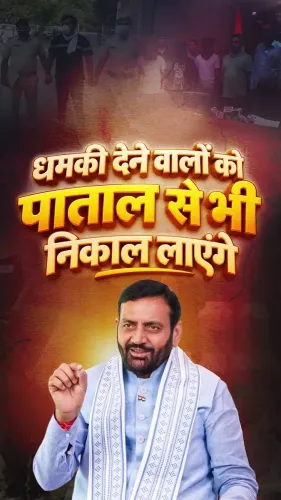
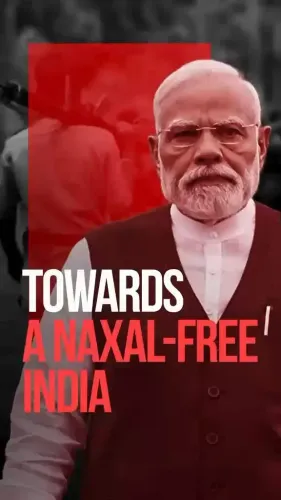
With Left Wing Extremism pushed to its lowest ebb in decades, Haryana Chief Minister Nayab Singh Saini is now pointing to a different front — one fought not in forests but in minds. On Sunday, November 1, 2026, Saini posted on X with a sharp warning: 'Naxalwad khatam, ab dimaagi Naxalon se satark rehna hai' — 'Naxalism is finished; now we must stay alert against intellectual Naxals.'
The security milestone Saini is building on
The claim of Naxalism's end tracks a long-running operational arc. Ministry of Home Affairs data across the 2010s and into the 2020s recorded a steady contraction of Left Wing Extremism — fewer incidents, fewer affected districts, and a shrinking 'Red Corridor' that once stretched across Chhattisgarh, Jharkhand, Odisha and parts of several other states. Security forces logged consistent gains, and the number of violence-related deaths on all sides fell sharply over the decade. Saini's post lands on that foundation: the kinetic battle, in the government's telling, is largely won.
What 'dimaagi Naxal' actually means in political discourse
The phrase is not new to Indian political vocabulary. Successive BJP leaders — and before them, security analysts — have used variants of 'urban Naxal' or 'intellectual Naxal' to describe individuals they allege provide ideological cover, legal support, or organisational scaffolding to Maoist networks from cities. Critics of the label argue it is deployed too broadly, sweeping in academics, journalists, and activists. Saini's post does not define its target precisely, but the choice of words signals that his concern has migrated from jungle-based insurgency to what he frames as a battle over ideas and narratives.
Haryana's role in a national security conversation
Haryana is not among the core Naxal-affected states; its terrain and demographics sit far from the Red Corridor. Yet BJP-ruled states have increasingly participated in the wider national security messaging that frames internal security as a whole-of-society challenge. For Saini — who took charge of the state in March 2024 following Manohar Lal Khattar's elevation to the Union Cabinet — weighing in on a national security theme also reinforces his standing within the broader BJP ideological framework ahead of the party's ongoing consolidation effort in northern India.
The video attached to the post — the full content of which was not available — likely elaborates on the 'dimaagi Naxal' framing, suggesting this was a prepared statement rather than an offhand remark. Watch for follow-up from the Ministry of Home Affairs on Left Wing Extremism statistics or any policy signalling around networks alleged to support Maoist ideology from urban centres. The rhetorical battle Saini has opened is, by design, much harder to declare won than the one in the forests.
Point of View
The BJP is now contesting the ideological terrain — framing dissent or perceived sympathy as the next security frontier. This mirrors a broader pattern in which internal-security victories are leveraged to broaden the definition of the threat, keeping the political salience of the issue alive. For a Chief Minister of a non-Naxal state, engaging this vocabulary signals ideological alignment with the central party line rather than a state-specific security concern. The contested nature of 'intellectual Naxal' as a label ensures the debate will continue to divide civil-society and government voices sharply.
NationPress
1 Nov 2026
Frequently Asked Questions
What did Haryana CM Nayab Singh Saini say about Naxals?
Saini posted on November 1, 2026 that armed Naxalism has ended and called for vigilance against 'dimaagi Naxals' — a term for those alleged to spread Maoist ideology through intellectual or ideological means rather than violence.
What is a 'dimaagi Naxal' or 'intellectual Naxal'?
The term, used in Indian political discourse, refers to individuals alleged to provide ideological, legal, or organisational support to Maoist networks from urban settings. Critics argue the label is applied too broadly to activists, academics, and journalists.
Has Naxalism actually ended in India?
Government data shows a significant decline in Left Wing Extremism incidents, affected districts, and violence-related deaths over the 2010s and 2020s, but declaring it fully eliminated remains a political assertion; the research basis for a complete end goes beyond verified public record as of training data.
Why is Haryana's CM commenting on Naxalism when Haryana is not a Naxal-affected state?
BJP-ruled state governments frequently align with national security messaging even outside directly affected regions. For Saini, engaging the topic reinforces ideological solidarity with the central party framework on internal security.
When did Nayab Singh Saini become Chief Minister of Haryana?
Nayab Singh Saini became Chief Minister of Haryana in March 2024, after Manohar Lal Khattar was elevated to the Union Cabinet.