Trump seeks to modify US-Iran nuclear deal terms amid stalled talks
Synopsis
The US-Iran deal is caught in a mutual amendment trap: Trump wants tighter language on uranium stockpiles and the Strait of Hormuz, while Tehran is simultaneously drafting its own revisions — a dynamic that sources say risks pushing negotiations backward. Add a reported Pezeshkian resignation letter and a parliament speaker openly distrusting Washington, and the picture is of a deal under serious internal and external strain.
Key Takeaways
President Trump is seeking to revise the US-Iran draft agreement, focusing on 60 per cent enriched uranium stockpile management and reopening of the Strait of Hormuz .
Iran's Tasnim agency reported Tehran will introduce its own amendments after Trump's revisions — risking a negotiation reset.
The current draft includes a 60-day window to finalise Tehran's nuclear obligations and the fate of accumulated fissile material.
Iranian parliament speaker Mohammad Bagher Ghalibaf publicly stated distrust of US promises and conditioned approval on guaranteed Iranian rights.
President Masoud Pezeshkian reportedly submitted a resignation letter to Supreme Leader Mojtaba Khamenei , citing exclusion from key decisions — a claim Tehran's government denied.
The White House said a deal could be finalised within 'a few days to over a week,' projecting confidence despite the reported setbacks.
US President Donald Trump is pushing to revise the terms of a proposed agreement with Iran to end hostilities, even as Tehran simultaneously prepares to introduce its own amendments to the draft — a parallel manoeuvre that risks resetting negotiations to an earlier stage, according to sources cited by The New York Times.
What Trump Wants Changed
According to information gathered by Axios, Trump is seeking more detailed provisions on two specific points: the management of Iran's 60 per cent enriched uranium stockpiles and the modalities for reopening the Strait of Hormuz to maritime traffic. A source also indicated that Trump intends to insert precise language on the timing and methods by which the United States would acquire Iran's accumulated fissile material.
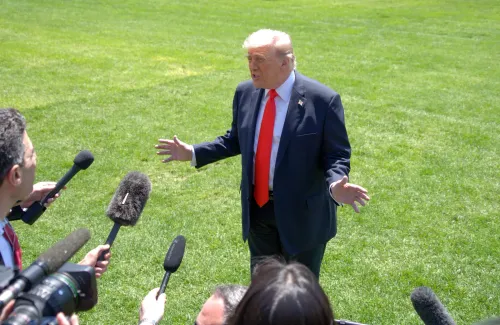
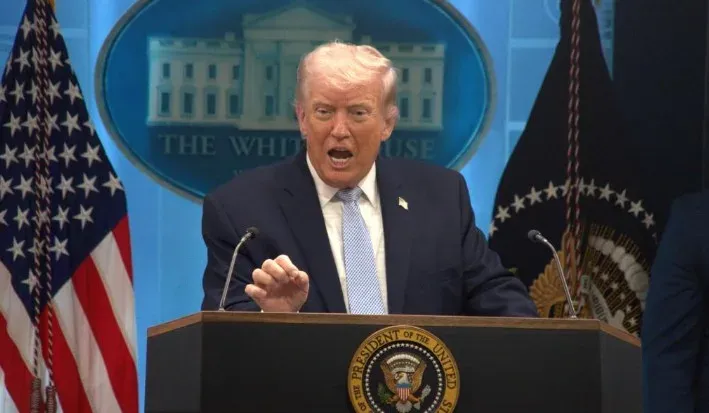
Speaking to Fox News, Trump expressed confidence in the framework. 'The only guarantee I need to have is that there will be no nuclear weapons. They have accepted this,' he said. He elaborated: 'Initially, they said: ‘We will not develop a nuclear weapon’. I replied: ‘Okay, but what happens if you buy a nuclear weapon?’ So now the text says: ‘We will not develop or acquire a nuclear military weapon in any way’. It’s a big difference,' adding, 'They are very tough negotiators, and it takes a long time, but I’m not in a hurry.'
Iran's Parallel Push for Amendments
The Tasnim news agency — considered close to the Islamic Revolutionary Guard Corps (IRGC) — reported that Tehran decided to introduce new amendments to the draft after Trump first moved to alter the proposed text. A 'source familiar with the details' was cited, though no specifics were disclosed publicly.
The current draft agreement includes Iran's commitment not to pursue nuclear weapons development and a 60-day negotiation window for finalising Tehran's nuclear obligations and the fate of accumulated fissile material. Any modification to the memorandum of understanding that forms the basis of the deal would, according to sources, inevitably extend the timeline.
Divided Voices from Tehran
Iranian Foreign Minister Abbas Araghchi offered a measured public stance. 'Talks and exchange of messages with the United States are ongoing, and until they produce a concrete result, it is not possible to judge them,' he told state television, cautioning that 'everything said at this stage is speculation and should not be given too much importance.'
That conciliatory tone was sharply countered by Mohammad Bagher Ghalibaf, speaker of the Iranian parliament. 'We will not approve any agreement until we are sure that we have guaranteed the rights of the Iranian people,' Ghalibaf said, adding, 'Those involved in diplomacy do not trust the words or promises of the United States.' He noted that any changes to the country's development plan would be examined by specialised parliamentary committees, with particular attention to post-war reconstruction.
Final approval authority in Tehran rests with Supreme Leader Mojtaba Khamenei, underscoring the layered decision-making structure that Trump, according to sources, is finding difficult to navigate at pace.
Pezeshkian Resignation Report Denied
Adding to the internal turbulence, Iranian President Masoud Pezeshkian reportedly submitted a letter of resignation to Khamenei, according to a source cited by Iran International, an Iranian opposition outlet based in London. The letter, reportedly sent on a Sunday, alleged that the president and government had been effectively excluded from key decision-making processes, and that the vacuum had allowed 'intransigent factions' within the IRGC to take control.
Pezeshkian reportedly wrote that under such circumstances he was unable to fulfil his responsibilities, and therefore sought immediate resignation. The Tehran government swiftly denied the report, accusing what it called 'lying media.' It remains unclear whether Khamenei has received or acted on any such letter, but the episode, if substantiated, would point to an unprecedented fracture at the highest levels of Iranian power.
White House Remains Confident
Despite the complexity, the White House maintained an optimistic public posture. 'There will be an agreement,' a senior official said, indicating that finalisation could come 'in a few days to over a week.' The statement signals that Washington views the current back-and-forth as a negotiating process rather than a breakdown — though three sources told The New York Times that the talks risk sliding backward.
This comes amid broader regional tensions and an ongoing war whose end both sides publicly claim to want, yet whose terms remain deeply contested. How quickly — and whether — the two sides can converge on a single text will be the defining question in the days ahead.
Point of View
The negotiation is not converging — it is expanding. Trump's instinct to pressure Iran for faster movement collides directly with Tehran's layered approval chain, where the Supreme Leader holds final authority and the IRGC holds effective veto power on the ground. The reported Pezeshkian resignation, denied but not convincingly dismissed, raises a sharper question: if the Iranian president himself has been sidelined from core decisions, who exactly is the US negotiating with? A deal signed without the IRGC's genuine buy-in is not a deal — it is a ceasefire waiting to unravel.
NationPress
26 Sept 2026
Frequently Asked Questions
What changes is Trump seeking in the US-Iran nuclear agreement?
Trump is reportedly pushing for more detailed provisions on the management of Iran's 60 per cent enriched uranium stockpiles and the conditions for reopening the Strait of Hormuz to maritime traffic. He also wants precise language on how and when the US would acquire Iran's accumulated fissile material.
Why are the US-Iran negotiations at risk of stalling?
Both sides are simultaneously seeking to amend the draft agreement — Trump wants stricter terms on uranium and the Strait of Hormuz, while Tehran plans its own revisions in response. Sources told The New York Times that this parallel amendment process risks pushing talks back to an earlier, less advanced stage.
What does the current draft agreement include?
The existing draft commits Iran to not pursuing nuclear weapons development and establishes a 60-day window for the two countries to negotiate Tehran's nuclear obligations and the disposal of accumulated fissile material. Any changes to the underlying memorandum of understanding would extend this timeline.
Did Iranian President Pezeshkian really resign?
Iran International, an opposition outlet based in London, reported that President Masoud Pezeshkian submitted a resignation letter to Supreme Leader Mojtaba Khamenei, citing exclusion from vital decision-making and IRGC overreach. The Tehran government denied the report, calling it the work of 'lying media.' It remains unverified.
Who holds final authority over any Iran nuclear deal?
Final approval in Tehran rests with Supreme Leader Mojtaba Khamenei, not the president or foreign minister. Parliament speaker Mohammad Bagher Ghalibaf has also stated that any agreement must pass scrutiny by specialised parliamentary committees, reflecting the multiple layers of approval required.