US-Iran tensions mount as Trump weighs attack, Hormuz deal stalls
Synopsis
Even as diplomats from Qatar, Egypt and Pakistan shuttle between Washington and Tehran, the US was secretly striking Iranian targets — including Qeshm Island — while Trump publicly floated a deal. With Trump now weighing a large-scale post-midterm attack, the gap between the administration's public diplomacy and its covert military posture has rarely been wider.
Key Takeaways
Iran's Chief of Staff Ali Abdollahi warned on 4 November 2026 of retaliation 'without geographical limitations' to any US or Israeli threat.
Mohsen Rezaei posted on X that the US response to Iran's seven conditions for reopening the Strait of Hormuz was 'not convincing.' President Trump said he was 'in no rush' on military action, while The Wall Street Journal reported he was leaning toward a large-scale post-midterm strike on Iran.
The IRGC confirmed intercepting three US drones near Qeshm Island , including an MQ-9 Reaper shot down east of the Strait of Hormuz.
Qatar , Egypt , and Pakistan are actively mediating, but no concrete breakthrough has been achieved.
Iran reduced its implementation window for a ceasefire plan from seven days to two days , citing good faith.
Tensions between Washington and Tehran remained dangerously elevated on 4 November 2026 as US midterm elections drew to a close, with both sides trading warnings while regional mediators scrambled to broker a settlement over the Strait of Hormuz closure. US President Donald Trump said he was 'in no rush' to decide on military action, even as reports emerged of covert American strikes on Iranian territory.
Iran's Warnings and Conditions
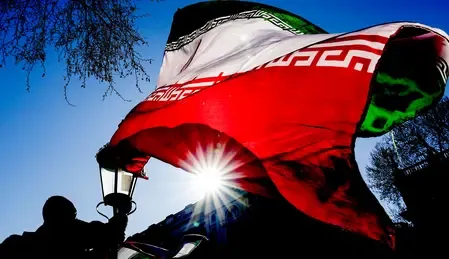
Chief of Staff of the Iranian Armed Forces Ali Abdollahi warned on Tuesday that Iran's armed forces would respond to any level or type of threat from the United States and Israel immediately and 'without geographical limitations.' The statement signals Tehran's intent to escalate beyond its own borders if provoked.
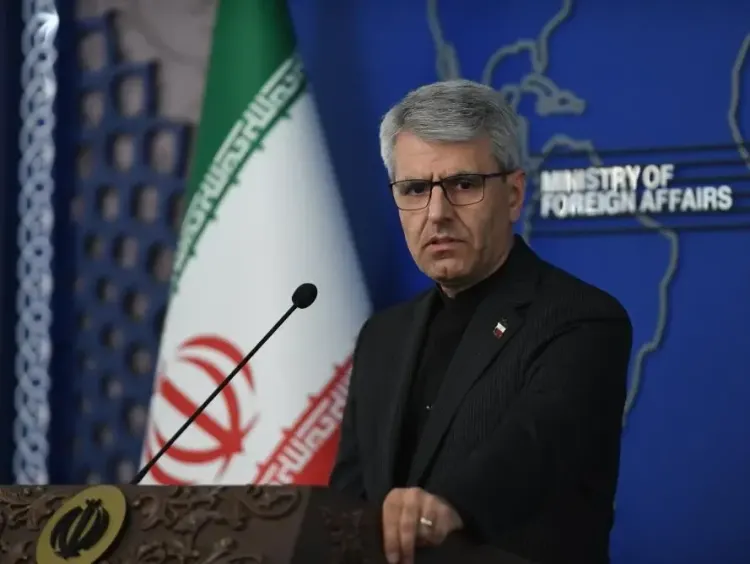
Separately, Secretary of Iran's Supreme National Security Council Mohsen Rezaei posted on social media platform X that the US response to Iran's demands was 'not convincing.' 'They must completely and explicitly address Iran's seven conditions and act upon them. Only in this case the Strait of Hormuz will be reopened,' Rezaei said. Iranian Foreign Ministry spokesman Esmaeil Baghaei added on Monday that Tehran had, in a show of good faith, reduced the implementation window for its seven-day plan to just two days. Iran had originally conveyed the plan to Washington through mediators on 22 September.
Trump's Three Options
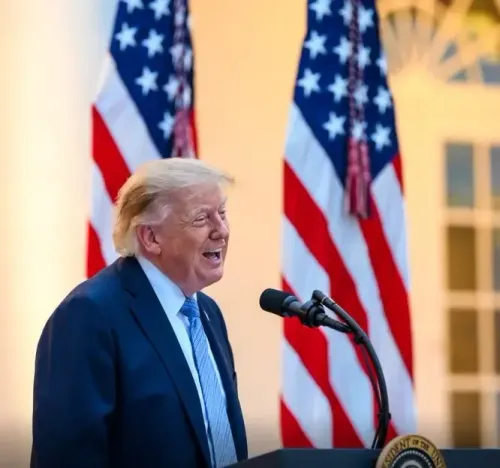
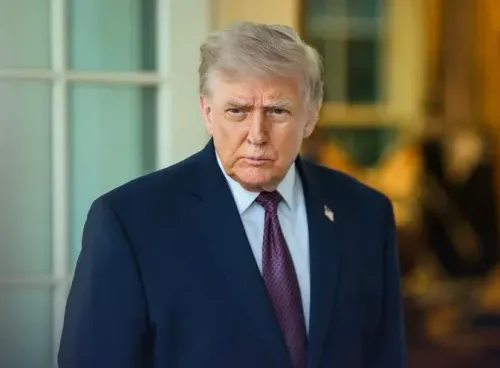
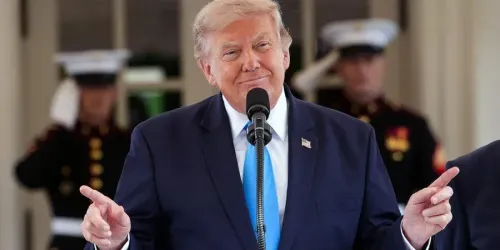
Trump told Axios in a phone interview on Monday that he was weighing his next move carefully. 'One way or the other, we will do something, but there is no rush. We crippled them financially,' he said. He subsequently posted on Truth Social that Iran wanted a settlement and that one could happen soon.
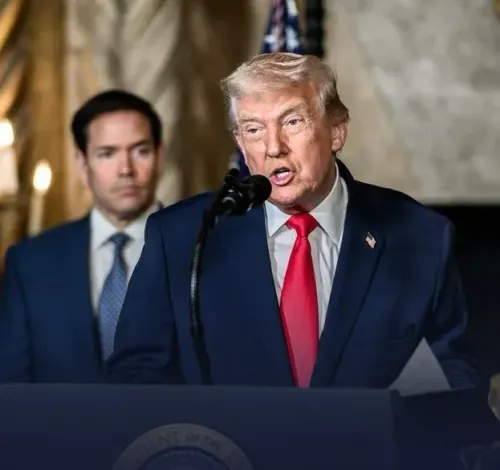
According to the Axios report, Trump was considering three courses of action: a diplomatic deal, resumed military strikes, or sustaining maximum economic pressure without either a deal or renewed hostilities. The Wall Street Journal reported Monday that Trump was reportedly leaning toward a large-scale attack on Iran after the midterms, potentially targeting Iranian infrastructure and nuclear facilities, though no final decision had been made.
Within the administration, US Vice President JD Vance and White House envoy Steve Witkoff reportedly favour diplomacy, while Israeli Prime Minister Benjamin Netanyahu and US Secretary of Defence Pete Hegseth are pushing for renewed military operations. Treasury Secretary Scott Bessent, CIA Director John Ratcliffe, and Secretary of State Marco Rubio are said to favour maintaining the current 'no war, no deal' status quo, according to the report.
Regional Mediation Efforts
Qatar emerged as a key go-between, with Qatari Foreign Ministry spokesperson Majed Al Ansari confirming on Tuesday that a Qatari delegation had returned from Tehran on Monday evening after more than three hours of talks with Iranian officials. He said both sides were reviewing proposals but differences remained unresolved, and no concrete breakthrough had been achieved. Qatar is coordinating with Pakistan, Gulf Cooperation Council (GCC) members, and other regional and international partners.
Egyptian President Abdel Fattah El-Sisi also weighed in on Tuesday, urging both Washington and Tehran to 'create space for understanding and dialogue' at a joint press conference in Cairo with visiting Slovenian President Natasa Pirc Musar. Egyptian Foreign Minister Badr Abdelatty and his Iranian counterpart Seyed Abbas Araghchi held a phone call the same evening to discuss regional de-escalation efforts, the Egyptian Foreign Ministry confirmed.
Covert US Strikes and Iranian Air Defences
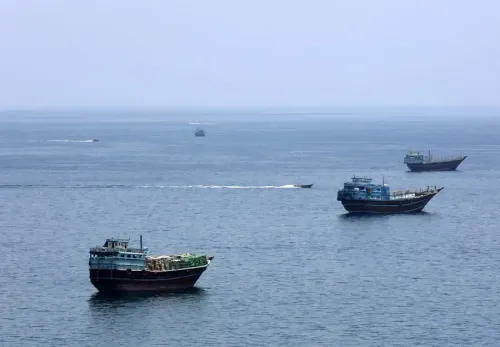
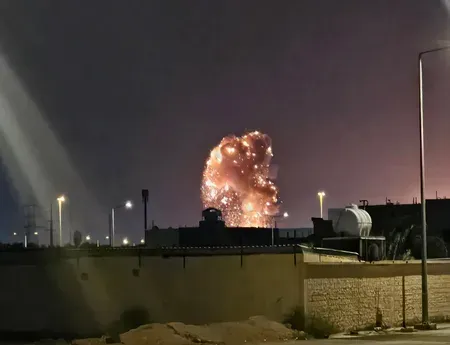
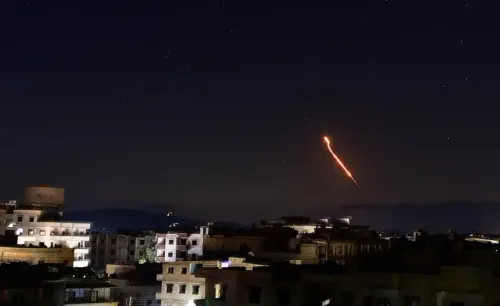
Despite the diplomatic activity, military hostilities have continued beneath the surface. The United States reportedly struck Iran's strategic Qeshm Island in the Strait of Hormuz on Monday, according to The Wall Street Journal, citing US officials. Iran's Islamic Revolution Guard Corps (IRGC) said late Monday that its air defence systems had intercepted three US drones in the country's southern airspace — two identified as MQM-170 Outlaw drones over Qeshm Island, and a third, an MQ-9 Reaper, shot down in waters east of the Strait of Hormuz.
These strikes were reportedly part of a series of limited covert operations Washington had been carrying out against Iran in recent weeks, even as Trump publicly spoke of a possible diplomatic deal. Washington did not publicly announce the strikes 'to avoid signaling a resumption of major combat operations,' one US official was quoted as saying by The Wall Street Journal. This apparent contradiction — secret strikes alongside diplomatic overtures — adds a volatile dimension to what are already high-stakes negotiations.
With midterms now concluded and no deal in sight, the coming days are likely to be pivotal in determining whether the standoff tips toward a settlement or a sharper military confrontation.
Point of View
A playbook that risks miscalculation when the other side holds a chokepoint as consequential as the Strait of Hormuz. The sharp divisions inside Trump's own cabinet — between hawks like Hegseth and Netanyahu on one side, and Vance and Witkoff on the other — suggest that US policy is not settled, making the situation inherently unpredictable. For India, which routes a substantial share of its energy imports through the Strait, the 'no war, no deal' stalemate is not a neutral outcome — every day of Hormuz closure carries a real economic cost.
NationPress
4 Nov 2026
Frequently Asked Questions
What are Iran's seven conditions for reopening the Strait of Hormuz?
Iran has not publicly enumerated all seven conditions in full detail, but Tehran has stated they must be 'completely and explicitly' addressed by the United States before the Strait of Hormuz is reopened. Iran conveyed the plan through mediators on 22 September, and later reduced the implementation window from seven days to two days as a goodwill gesture.
Did the US carry out military strikes on Iran?
Yes, according to The Wall Street Journal, the United States struck Iran's strategic Qeshm Island in the Strait of Hormuz on Monday. The IRGC confirmed intercepting three US drones in Iran's southern airspace, including two MQM-170 Outlaw drones over Qeshm Island and one MQ-9 Reaper shot down east of the Strait of Hormuz.
What options is Trump considering on Iran?
According to Axios, Trump is weighing three courses of action: reaching a diplomatic deal, resuming large-scale military strikes, or maintaining maximum economic pressure without a deal or renewed hostilities. The Wall Street Journal reported he was reportedly leaning toward a large-scale post-midterm attack, though no final decision had been made.
Which countries are mediating between the US and Iran?
Qatar is the primary mediator, with a Qatari delegation holding over three hours of talks in Tehran on Monday. Qatar is coordinating with Pakistan, Gulf Cooperation Council countries, and other partners. Egypt has also urged both sides to pursue dialogue, with Egyptian and Iranian foreign ministers speaking by phone on Tuesday.
How is the US administration divided on Iran policy?
VP JD Vance and White House envoy Steve Witkoff reportedly favour a diplomatic deal, while Secretary of Defence Pete Hegseth and Israeli PM Benjamin Netanyahu advocate renewed military operations. Treasury Secretary Scott Bessent, CIA Director John Ratcliffe, and Secretary of State Marco Rubio reportedly prefer the current 'no war, no deal' status quo.