Trump halts Iran attack as deal framework emerges, Hormuz opening on table
Synopsis
Within hours of signalling relentless military pressure on Iran, Trump reversed course on Truth Social — claiming a deal framework had been reached and a strike suspended, with the Hormuz Strait reopening and Iran's nuclear programme as the core terms. Tehran has not confirmed it, and the details remain unverified, making this one of the most consequential — and opaque — diplomatic pivots of his presidency.
Key Takeaways
President Donald Trump announced on 2 August that the US had suspended a planned military strike on Iran after a deal framework was reportedly agreed to.
The proposed deal reportedly includes the immediate reopening of the Strait of Hormuz and an end to Iran's nuclear threat .
Trump claimed Israel supported the decision to pursue diplomacy, though no official Israeli confirmation was provided.
Earlier the same day, Trump had told reporters the US would continue hitting Iran 'very hard' — a sharp contrast to the subsequent announcement.
Neither Iran nor Israel had officially confirmed the deal framework as of the announcement.
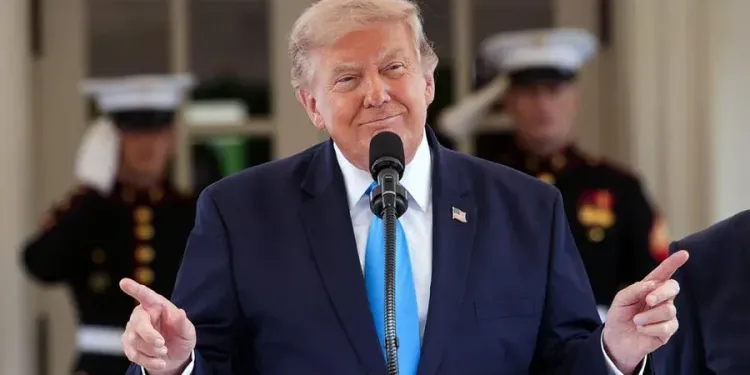
US President Donald Trump on Sunday, 2 August announced that the United States had agreed to suspend a planned military strike against Iran, citing a request from Tehran and several Middle Eastern countries and claiming that the broad outline of a potential agreement had taken shape. The announcement, made via a post on Truth Social, marks a significant — if unverified — shift in the weeks-long escalation between Washington and Tehran.
What Trump Said
In his post, Trump declared that the US remained fully prepared for military action but had chosen to pause the planned strike to allow diplomacy to proceed. 'The U.S.A. is locked and loaded and ready to go against the Islamic Republic of Iran, at levels of Military Terror, Strength, and Power not seen since World War II,' he wrote.
Trump said Iran and other regional countries had urged Washington to delay, because 'the perimeters of a deal has been agreed to.' He added: 'Based on this request, I have agreed, for the future benefit of the WORLD and, likewise, the survival of a successful and prosperous Iran, to cancel the attack, subject to being able to rapidly make a DEAL.'
Key Terms of the Proposed Deal
According to Trump, the proposed agreement would include the 'Immediate, Complete, and Total OPENING OF THE HORMUZ STRAIT' — a critical global oil shipping lane — along with an end to Iran's nuclear threat. He also claimed that Israel had endorsed the diplomatic path, quoting himself as saying: 'The Country of Israel joins me in this commitment. Get to work, everybody, and get it DONE.'
Notably, Trump did not provide a timeline for the proposed deal, nor did he indicate whether Iran or Israel had officially confirmed the claims outlined in his post. Independent verification of the agreement's framework was not immediately available.
Earlier Hardline Signals
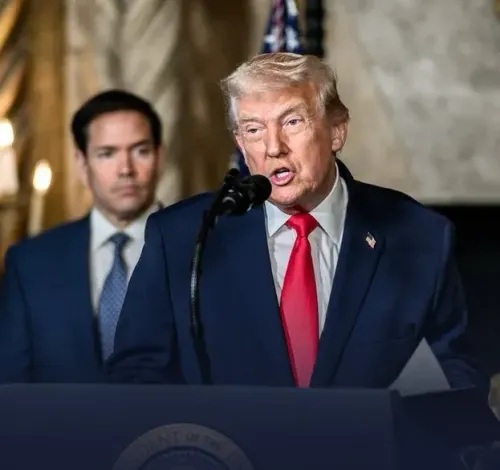
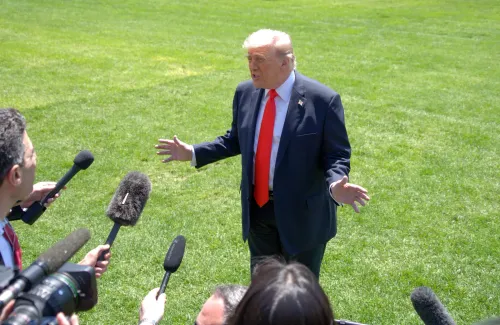
The announcement came hours after Trump had signalled a far more hawkish posture. Speaking to reporters following the first live televised Cabinet meeting held at Camp David, Trump said the US would continue military pressure on Iran until Tehran could no longer threaten American forces or pursue a nuclear weapon. He had also expressed diminishing confidence that negotiations with Iranian leadership would succeed.
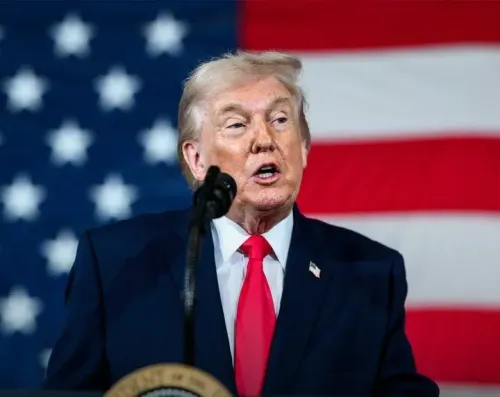
'Well, we'll be hitting — we'll be hitting them very hard and, you know, at some point they're going to say, we just can't take it anymore,' Trump told reporters when asked what to expect in the coming weeks.
Iran's Nuclear Red Line
Preventing Iran from acquiring a nuclear weapon remained Washington's stated central objective throughout. 'They cannot have a nuclear weapon. Iran will not have a nuclear weapon, and they can't have a nuclear weapon,' Trump said. 'If they did, the Middle East would have been wiped out by now.'
Trump acknowledged that Iran had suffered extensive military losses but noted it still retained limited capabilities. The sharp pivot from imminent-strike language to a deal framework within a single day underscores the volatile and rapidly shifting nature of the US-Iran standoff.
What Happens Next
The durability of the pause depends on whether formal negotiations can translate the reported framework into a verifiable agreement. The Strait of Hormuz, through which roughly 20% of global oil trade passes, remains the central economic lever in any deal. Analysts and regional governments will be watching closely for any official confirmation from Tehran or Jerusalem in the hours and days ahead.
Point of View
With no corroboration from Tehran or Jerusalem, is not a deal; it is a claim. The Hormuz Strait is the jugular of global oil supply, and markets will price the uncertainty before diplomats even convene. The deeper risk is that this pattern of escalation-then-pivot has a credibility cost: adversaries learn to wait out the threats, and allies learn not to trust the pauses.
NationPress
16 Sept 2026
Frequently Asked Questions
Why did Trump suspend the planned US military strike on Iran?
Trump said he suspended the strike after Iran and several Middle Eastern countries requested a pause, citing that the broad framework of a potential deal had been agreed to. He stated the US remained 'locked and loaded' but chose to allow diplomacy to proceed.
What are the key terms of the proposed US-Iran deal?
According to Trump, the proposed agreement includes the immediate, complete reopening of the Strait of Hormuz and an end to Iran's nuclear threat. No further details, timeline, or verification from the Iranian side were provided.
Has Iran officially confirmed the deal framework?
No. As of Trump's announcement, neither Iran nor Israel had officially confirmed the claims made in his Truth Social post. The framework remains unverified by independent or official sources.
What is the significance of the Strait of Hormuz in this context?
The Strait of Hormuz is one of the world's most critical oil shipping chokepoints, through which roughly 20% of global oil trade passes. Its reopening is a central economic and geopolitical demand in the proposed agreement.
What had Trump said about Iran earlier the same day?
Earlier on the same day, Trump told reporters the US would continue hitting Iran 'very hard' until Tehran could no longer threaten American forces or pursue a nuclear weapon, expressing diminishing confidence in negotiations — a stark contrast to his later Truth Social post.