CM Yogi hails Varanasi-Delhi Vande Bharat Sleeper launch
Synopsis
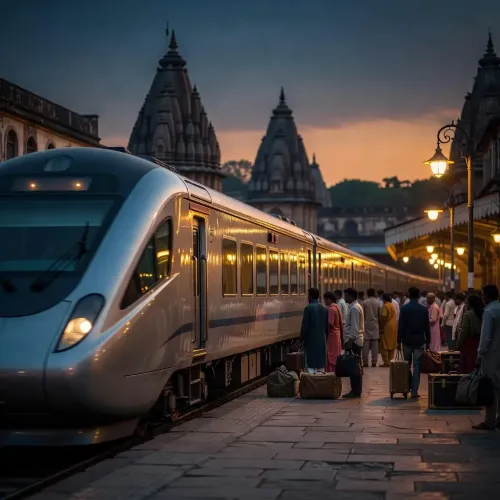
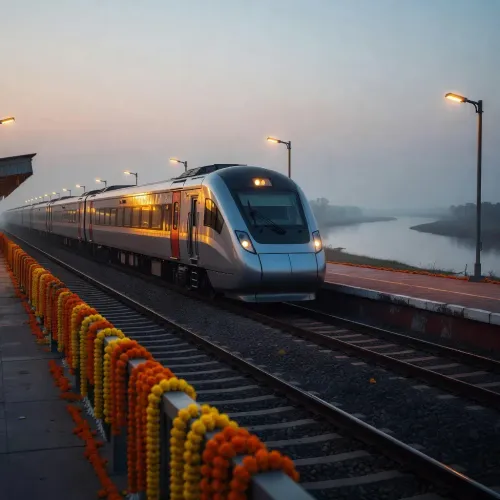
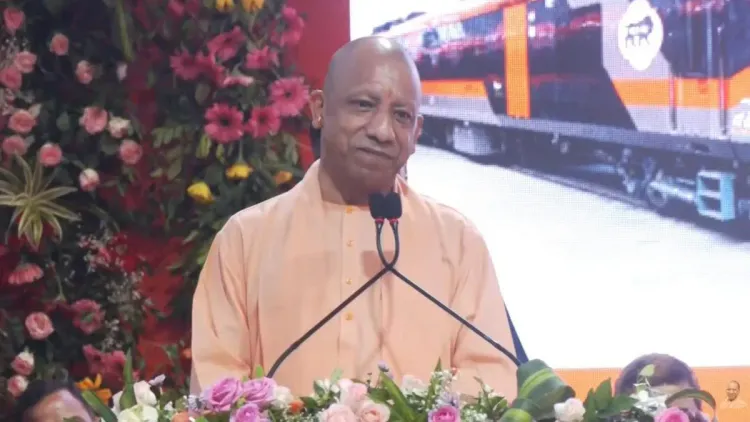
The Varanasi–New Delhi Vande Bharat Sleeper Express launched on 31 October 2026, reducing travel time between India's spiritual capital Kashi and the national capital to 8-9 hours. UP Chief Minister Yogi Adityanath hailed the milestone as a leap for connectivity.
Key Takeaways
The Varanasi–New Delhi Vande Bharat Sleeper Express commenced operations on 31 October 2026 .
The new service covers the Kashi–Delhi corridor in 8 to 9 hours , significantly faster than older services.
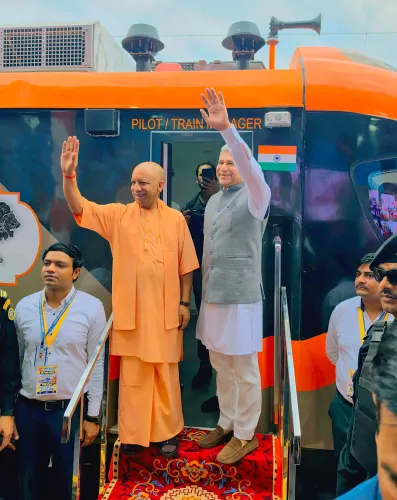
CM Yogi Adityanath announced the launch on X, framing it as a link between India's spiritual capital and national capital.
The Vande Bharat Express brand began on the New Delhi–Varanasi route in 2019 ; the sleeper variant is its overnight evolution.
The launch fits Indian Railways' broader push to deploy semi-high-speed stock on high-density corridors linking metros with religious and heritage cities.
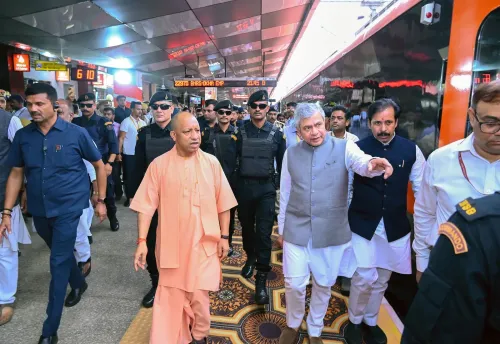
The ancient city of Kashi just got a fast, overnight rail link to the nation's power centre — and Uttar Pradesh Chief Minister Yogi Adityanath wants every pilgrim, professional, and traveller to know it. On Saturday, 31 October 2026, the Varanasi–New Delhi Vande Bharat Sleeper Express commenced operations, cutting the journey between India's spiritual capital and its national capital to just 8 to 9 hours.
Posting on X, CM Yogi wrote: 'आज से प्रारंभ हुई वाराणसी-नई दिल्ली वंदे भारत स्लीपर एक्सप्रेस से भारत की आध्यात्मिक राजधानी काशी से राष्ट्रीय राजधानी के बीच की यात्रा 8 से 9 घंटे में तय हो जाएगी...' — ('Starting today, the Varanasi–New Delhi Vande Bharat Sleeper Express will cover the journey between India's spiritual capital Kashi and the national capital in 8 to 9 hours...')From chair-car pioneer to overnight sleeper
The Vande Bharat Express brand has a direct historical line back to 2019, when the first service on the New Delhi–Varanasi route was inaugurated as the centrepiece of Indian Railways' modernisation drive. That original train — a chair-car, daytime service — announced India's ambition to run indigenous semi-high-speed technology on its busiest intercity corridors. The sleeper variant now extends that ambition into the overnight segment, a market long dominated by older Rajdhani and Shatabdi stock.
The Varanasi–New Delhi corridor is among the most commercially and culturally significant in the Indian rail network. Varanasi, one of the world's oldest continuously inhabited cities, draws millions of Hindu pilgrims to the Ghats of the Ganga each year, alongside a growing stream of heritage tourists and business travellers serving the region's textile, handicraft, and IT sectors. A faster, comfortable overnight option shrinks what was traditionally a 12-plus-hour slog into a single restful night.
The sleeper push behind India's rail upgrade
The Vande Bharat Sleeper is the next logical step in a programme that has already seen chair-car Vande Bharat services deployed on dozens of routes across Uttar Pradesh, Rajasthan, Maharashtra, and beyond. The broader pattern is deliberate: Indian Railways has been systematically targeting high-density corridors linking metros with religious and tourist hubs, betting that faster schedules and modern amenities will shift passengers away from road and air travel.
For Uttar Pradesh — which hosts not just Varanasi but also Prayagraj, Ayodhya, and Mathura — expanded rail connectivity is both an infrastructure play and a political signal. CM Yogi has consistently framed the state's development through the twin lenses of spiritual heritage and modern infrastructure, and the Varanasi–Delhi sleeper link slots squarely into that narrative.
How quickly seats fill and whether on-time performance holds once the service beds in will be the real measure. But for now, the ghats of Kashi and the corridors of Parliament are, quite literally, a night's sleep apart.
Point of View
Positioning Kashi as both a pilgrimage hub and a modern connectivity node. For CM Yogi, every rail milestone on the Varanasi corridor carries double value: development optics in an electorally critical state and reaffirmation of Uttar Pradesh's spiritual identity. The sleeper format is also strategically significant, as Indian Railways moves to recapture the premium overnight market from low-cost aviation. Whether occupancy and punctuality data will vindicate the launch-day optimism is the question the next few months will answer.
NationPress
31 Oct 2026
Frequently Asked Questions
When did the Varanasi–New Delhi Vande Bharat Sleeper Express start?
The Varanasi–New Delhi Vande Bharat Sleeper Express commenced operations on 31 October 2026 , as announced by UP Chief Minister Yogi Adityanath.
How long does the Vande Bharat Sleeper take from Varanasi to Delhi?
The Vande Bharat Sleeper Express covers the Varanasi to New Delhi journey in 8 to 9 hours , according to the launch announcement.
What is the difference between Vande Bharat chair-car and Vande Bharat Sleeper?
The original Vande Bharat Express is a daytime chair-car service, while the Vande Bharat Sleeper is designed for overnight travel with sleeping berths, targeting the segment traditionally served by Rajdhani trains.
What was the first Vande Bharat Express route in India?
The first Vande Bharat Express was inaugurated in 2019 on the New Delhi–Varanasi route as part of Indian Railways' modernisation programme.
Why is Varanasi called India's spiritual capital?
Varanasi , also known as Kashi , is one of the world's oldest continuously inhabited cities and the holiest site in Hinduism, drawing millions of pilgrims to the banks of the Ganga every year.