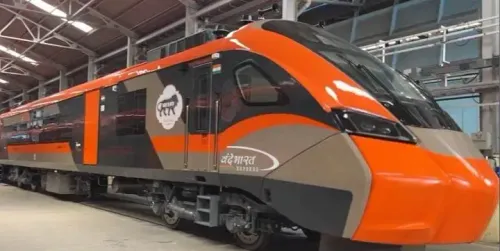
CM Yogi to Launch Vande Bharat Sleeper on Varanasi-Delhi Route

Synopsis
Uttar Pradesh CM Yogi Adityanath and Union Railways Minister Ashwini Vaishnaw launched the Varanasi–New Delhi Vande Bharat Sleeper Express on 31 October 2026, alongside two new local rail services linking Varanasi City–Rajatalab and Banaras–Prayagraj Rambagh, crediting PM Modi for the connectivity push.
Key Takeaways
CM Yogi Adityanath inaugurated the Varanasi–New Delhi Vande Bharat Sleeper Express on 31 October 2026 with Union Minister Ashwini Vaishnaw .
Two additional local services — Varanasi City–Rajatalab and Banaras–Prayagraj Rambagh — were also launched at the same event.
The Vande Bharat Sleeper is an overnight, semi-high-speed evolution of the chair-car express that first ran on the Delhi–Varanasi route in 2019 .
The Banaras–Prayagraj Rambagh link addresses heavy seasonal pilgrim and commuter demand between two major Uttar Pradesh hubs.
Uttar Pradesh has been a primary focus of railway modernisation and Vande Bharat expansion under the current central government.
A new chapter in Uttar Pradesh's rail story opens today — Uttar Pradesh Chief Minister Yogi Adityanath announced he will jointly inaugurate the historic Varanasi–New Delhi Vande Bharat Sleeper Express alongside Union Railways Minister Ashwini Vaishnaw on 31 October 2026, along with two new local rail services connecting Varanasi City–Rajatalab and Banaras–Prayagraj Rambagh.
Posting in Hindi on X, CM Yogi wrote: 'माननीय केंद्रीय मंत्री श्री @AshwiniVaishnaw जी के साथ आज ऐतिहासिक वाराणसी-नई दिल्ली वंदे भारत स्लीपर एक्सप्रेस... का शुभारंभ करूंगा' — ('Today, along with Union Minister Ashwini Vaishnaw, I will launch the historic Varanasi–New Delhi Vande Bharat Sleeper Express and new rail services...') — expressing 'heartfelt gratitude' to Prime Minister Narendra Modi and extending warm congratulations to residents of the state.
Vande Bharat Sleeper: what makes this launch different
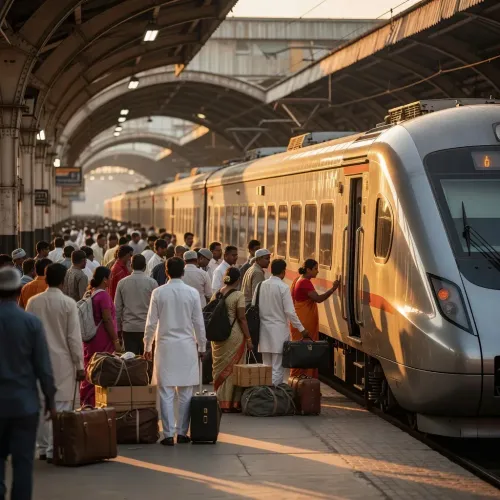
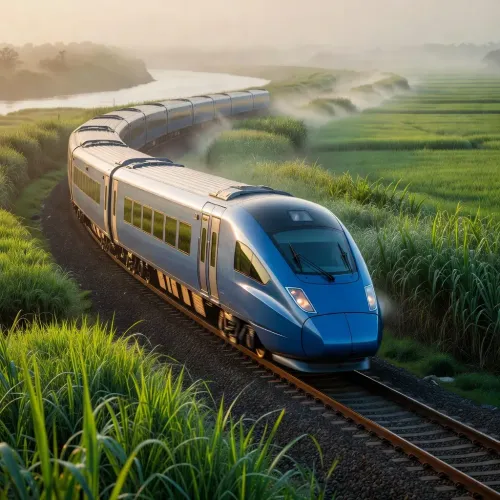
The original Vande Bharat Express — India's indigenously developed semi-high-speed train — first ran on the New Delhi–Varanasi corridor in 2019, transforming a long intercity journey into a same-day trip. The sleeper variant marks a significant evolution: overnight connectivity at higher speeds without passengers needing to arrive hours before departure for a reserved berth on a conventional mail express.
Varanasi, one of India's oldest pilgrimage cities and a major tourism gateway in eastern Uttar Pradesh, has consistently been at the centre of railway modernisation pushes. Faster overnight connectivity to New Delhi directly benefits pilgrims, traders, students, and government officials who make up the corridor's dense travel demand.
Local lines that matter: Rajatalab and Prayagraj Rambagh
Beyond the flagship sleeper express, the twin launches of intra-regional services — Varanasi City to Rajatalab and Banaras to Prayagraj Rambagh — signal attention to last-mile and inter-city commuter needs that headline trains rarely address. The Banaras–Prayagraj corridor is particularly significant: Prayagraj is both a judicial capital and a perennial pilgrimage hub, and direct rail access reduces dependence on road transport on a route that sees heavy seasonal surges.
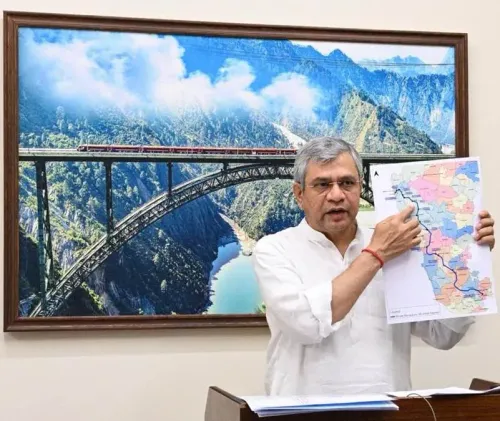
The Ministry of Railways under Ashwini Vaishnaw has steadily expanded Vande Bharat deployment across corridors and is simultaneously scaling up a new fleet of sleeper-configured rakes — a more complex engineering challenge than the chair-car version given the structural and safety requirements of overnight travel at semi-high speed.
A state-centre alignment Lucknow has leaned into
Uttar Pradesh has emerged as one of the most active theatres for railway announcements under the current central government. The state's sheer demographic weight — and its electoral significance — has ensured that rail upgrades here carry both logistical and political visibility. CM Yogi's explicit public credit to PM Modi fits a well-worn choreography: the chief minister as the face of delivery on the ground, the Prime Minister as the architect of the broader vision.
What the three launches together represent is a layered rail strategy — a premium long-distance overnight service, a suburban feeder, and a pilgrimage-corridor connector — all unveiled in one event. Whether the rollout timelines for additional Vande Bharat sleeper rakes keep pace with demand will be the real test of the programme's ambition.
Point of View
Reinforcing a division of political labour that has defined BJP governance in Uttar Pradesh. The Vande Bharat Sleeper's debut on the Varanasi corridor — Modi's own constituency — is unlikely to be accidental timing. More substantively, pairing a premium overnight express with two local commuter services signals an awareness that optics-friendly flagship trains alone do not win lasting popular approval; last-mile connectivity does. The real policy question going forward is whether sleeper-rake production and station-upgrade timelines can absorb the demand this launch will generate.
NationPress
31 Oct 2026
Frequently Asked Questions
What is the Vande Bharat Sleeper Express?
The Vande Bharat Sleeper Express is an overnight, semi-high-speed train featuring berth-based sleeping accommodation — an upgrade on the existing chair-car Vande Bharat Express that first ran in 2019. The Varanasi–New Delhi route is among its early corridors.
When was the Varanasi–New Delhi Vande Bharat Sleeper launched?
The service was inaugurated on 31 October 2026 by Uttar Pradesh Chief Minister Yogi Adityanath and Union Railways Minister Ashwini Vaishnaw.
What new local rail services were launched alongside the Vande Bharat Sleeper?
Two new local services were launched at the same event: the Varanasi City–Rajatalab rail service and the Banaras–Prayagraj Rambagh train service.
Who is Ashwini Vaishnaw and what is his role in this launch?
Ashwini Vaishnaw is India's Union Minister of Railways. He co-inaugurated the Varanasi–New Delhi Vande Bharat Sleeper Express and the two local services alongside CM Yogi Adityanath on 31 October 2026.
Why is the Banaras–Prayagraj Rambagh rail service significant?
The Banaras–Prayagraj corridor connects two of Uttar Pradesh's most important pilgrimage and commercial hubs. A direct rail link reduces reliance on road transport and serves heavy seasonal pilgrim traffic between the two cities.