Will PM Modi Inaugurate the First Vande Bharat Sleeper Express from Guwahati to Kolkata on January 17?
Synopsis
Get ready for a significant leap in rail travel! On January 17, PM Modi may inaugurate the Vande Bharat Sleeper Express, enhancing connectivity between Assam and West Bengal. This train promises to revolutionize overnight journeys with advanced features, making travel more comfortable and accessible. Discover the details of this exciting development in Indian Railways.
Key Takeaways
Launch of Vande Bharat Sleeper Express on January 17.
Improved connectivity between Guwahati and Kolkata.
Modern amenities for passenger comfort.
Support for regional mobility and tourism.
Commitment to sustainable development in Assam.
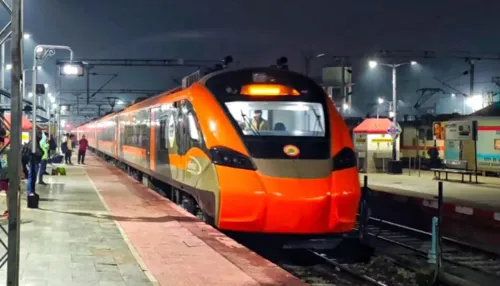
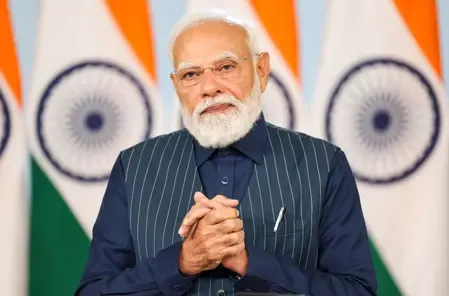
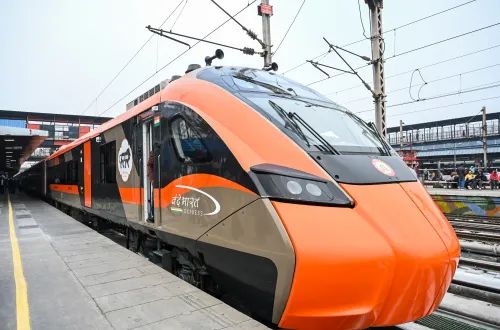
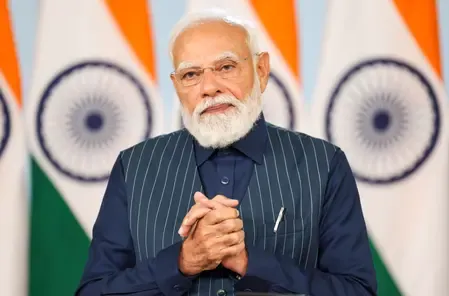
Guwahati, January 12 (NationPress) Prime Minister Narendra Modi is set to potentially inaugurate the inaugural Vande Bharat Sleeper Express connecting Guwahati and Kolkata on January 17, representing a significant advancement in long-distance overnight rail travel, officials reported on Monday. This initiative will enhance connectivity between the northeast region and eastern India.
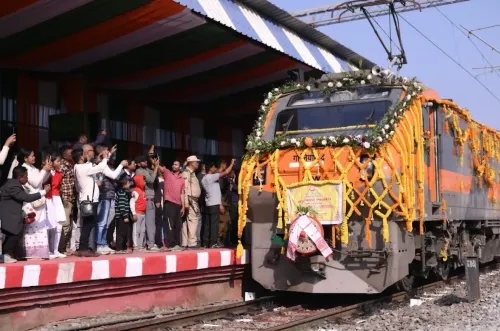
A senior representative from the Northeast Frontier Railway (NFR) indicated that the Prime Minister is expected to virtually launch the Vande Bharat Sleeper Express from Malda in West Bengal on January 17, alongside the inauguration of several other trains and various railway projects.
Following the Malda events, Prime Minister Modi will embark on a two-day visit to Assam, starting January 17, featuring a busy agenda focused on culture, infrastructure, and connectivity, as revealed by the official who requested anonymity.
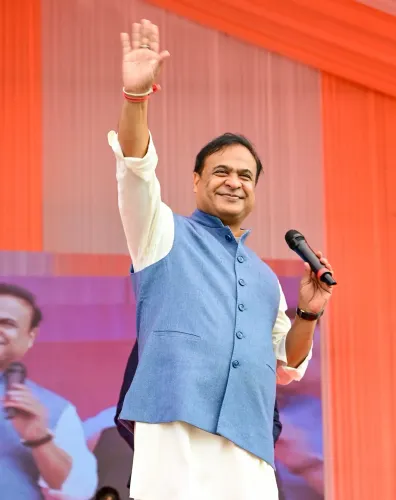
Assam's Chief Minister, Himanta Biswa Sarma, has confirmed that Prime Minister Modi will be in Assam on January 17.
During this visit, the Prime Minister will also launch new train services linking Dibrugarh to Lucknow and Guwahati to Rohtak via Delhi, thus further integrating Assam with critical regions of the country.
Additionally, Prime Minister Modi is slated to witness the traditional Bodo dance 'Bagurumba', which highlights Assam's rich cultural heritage on a national stage.
On January 18, the Prime Minister plans to visit Kaziranga to lay the foundation stone for the elevated corridor project.
Chief Minister Sarma emphasized that the Prime Minister's visit highlights the Centre's dedication to Assam's development and environmentally conscious infrastructure.
The elevated corridor through Kaziranga has been a flagship initiative of the Assam government, aimed at addressing the long-standing conflict between conservation and connectivity.
With the recent approval from the Union Cabinet, the project is expected to progress swiftly into the implementation phase, representing a significant step towards sustainable development in the state.
NFR's Chief Public Relations Officer (CPRO), Kapinjal Kishore Sharma, previously stated that the new-generation Vande Bharat Sleeper Express will operate with a 16-coach rake, accommodating a total of 823 passengers.
The train will include 11 AC three-tier coaches, four AC two-tier coaches, and one First Class AC coach, offering a range of comfortable travel options for various passenger segments.
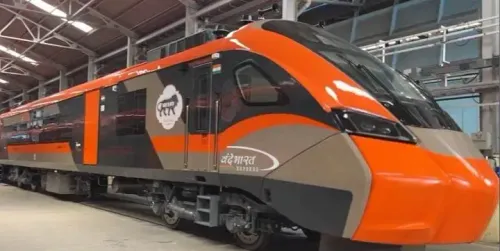
Designed with a passenger-centric approach, the Vande Bharat Sleeper Express will feature ergonomically crafted cushioned berths, advanced suspension systems for enhanced ride comfort, noise-reduction technology, automatic doors with vestibules, and a modern Passenger Information System.
Furthermore, special arrangements for 'Divyangjan' (differently abled) passengers, contemporary toilets, and cutting-edge disinfection technology will greatly improve hygiene, accessibility, and onboard comfort.
Safety is a critical aspect of the Vande Bharat Sleeper Express.
The CPRO noted that the train will be outfitted with the 'Kavach' automatic train protection system, emergency passenger talk-back units, and a state-of-the-art driver's cab equipped with advanced controls.
Its aerodynamic exterior and polished interiors represent cutting-edge advancements in indigenous rail engineering and design, as per CPRO Sharma.
The launch of this railway service is anticipated to significantly enhance connectivity between Assam and West Bengal.
Key beneficiary districts include Kamrup Metropolitan and Bongaigaon in Assam, and Coochbehar, Jalpaiguri, Malda, Murshidabad, Purba Bardhaman, Hooghly, and Howrah in West Bengal, according to CPRO Sharma.
This railway service will facilitate regional mobility while fostering trade, tourism, and socio-economic development.
The commencement of India's first Vande Bharat Sleeper Express reaffirms the Indian Railways' commitment to innovation, passenger-centric services, and the vision of a modern, future-ready railway network for the nation, the CPRO concluded.
Point of View
It's essential to recognize the significance of Prime Minister Modi's upcoming visit and the inauguration of the Vande Bharat Sleeper Express. This development not only improves transportation but also emphasizes the government's commitment to enhancing infrastructure in the Northeast, fostering cultural appreciation, and promoting economic growth.
NationPress
23 Sept 2026
Frequently Asked Questions
What is the Vande Bharat Sleeper Express?
The Vande Bharat Sleeper Express is a new train service designed for long-distance overnight travel, offering modern amenities and enhanced comfort for passengers.
When will the Vande Bharat Sleeper Express be inaugurated?
Prime Minister Narendra Modi is likely to flag off the Vande Bharat Sleeper Express on January 17.
Which cities will the Vande Bharat Sleeper Express connect?
The train will connect Guwahati and Kolkata, along with other routes linking Dibrugarh to Lucknow and Guwahati to Rohtak.
What features does the Vande Bharat Sleeper Express have?
The train will include cushioned berths, advanced suspension systems, noise-reduction technology, and facilities for differently abled passengers.
How will this train benefit the Northeast region?
The Vande Bharat Sleeper Express will enhance connectivity, promote tourism, and support socio-economic development in the Northeast and beyond.