CM Majhi hails second Vande Bharat Sleeper on Kashi-Delhi run
Synopsis
Odisha CM Mohan Charan Majhi praised the second Vande Bharat Sleeper Train connecting Kashi and New Delhi via Prayagraj and Kanpur Central, linking modern rail upgrades to India's spiritual heritage access under the Viksit Bharat 2047 vision.
Key Takeaways
Odisha CM Mohan Charan Majhi welcomed the launch of the second Vande Bharat Sleeper Train on 31 October 2026 .
The new service connects Kashi (Varanasi) and New Delhi via Prayagraj and Kanpur Central .
The train offers modern amenities and advanced safety features aimed at pilgrims, tourists, and long-distance travellers.
The first Vande Bharat Express debuted on the New Delhi–Varanasi route in 2019 ; the sleeper variant extends the brand to overnight corridors.
The launch is framed within the Viksit Bharat 2047 vision, which treats transport upgrades as enablers of cultural and economic access.
The Kashi-Prayagraj pilgrimage belt connects indirectly to Odisha's own heritage circuit, explaining the CM's interest.
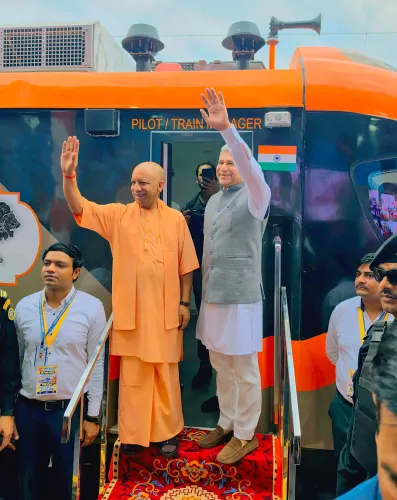
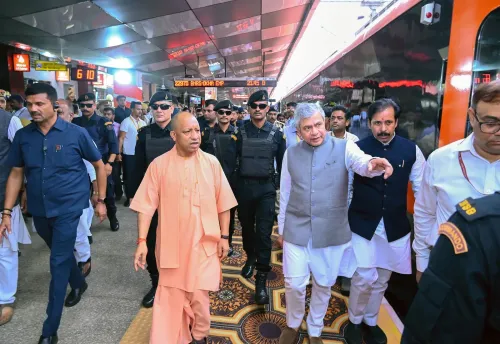
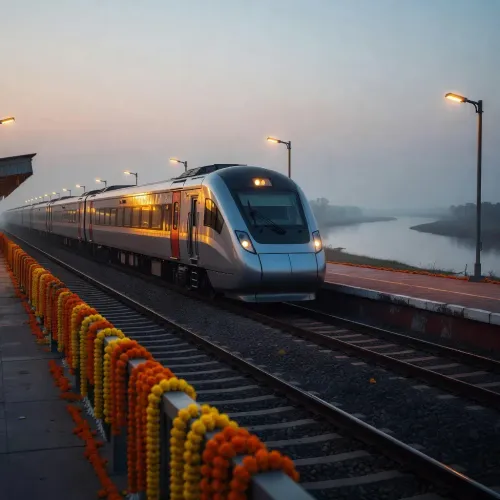
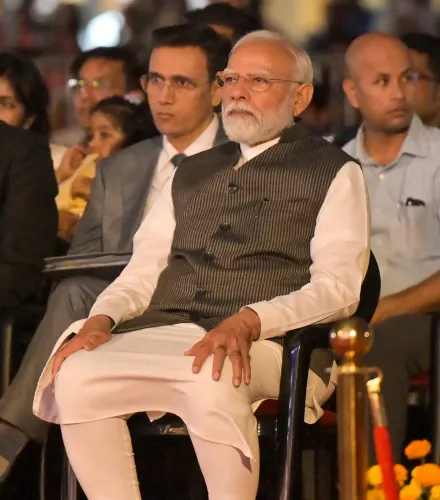
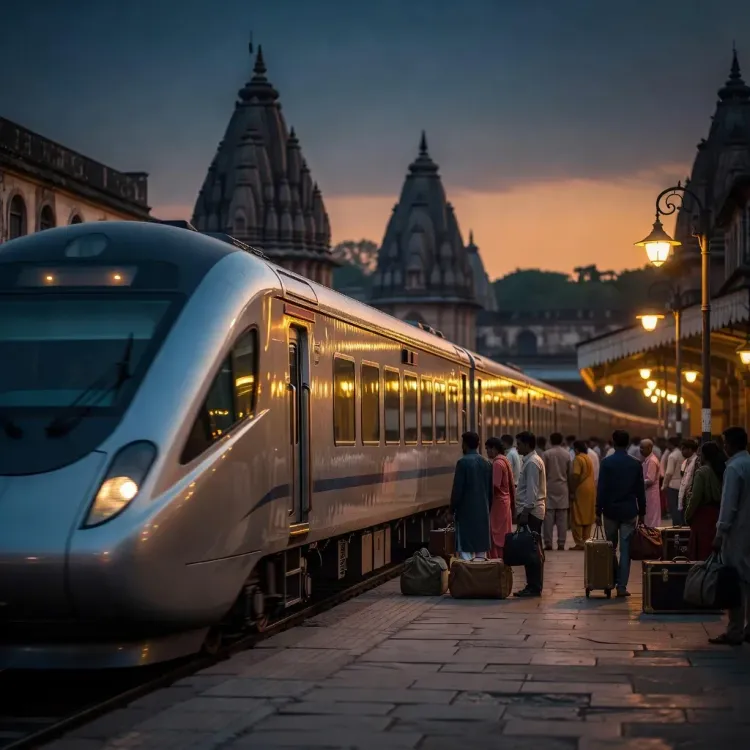
A train route through three of India's most storied spiritual cities just got a modern upgrade. Odisha Chief Minister Mohan Charan Majhi on Saturday, 31 October 2026 welcomed the launch of the second Vande Bharat Sleeper Train connecting Kashi and New Delhi via Prayagraj and Kanpur Central, calling it a meaningful step in the country's twin march toward modernisation and cultural reconnection.
Kashi to Delhi, with Prayagraj in between
The new corridor threads together three cities that sit at the heart of India's pilgrimage map. Kashi — the ancient name for Varanasi — has drawn seekers for millennia; Prayagraj hosts the Kumbh Mela, the world's largest human gathering; and New Delhi anchors the national capital. Linking them under a single sleeper service means pilgrims, tourists, and everyday travellers no longer have to choose between comfort and devotion.
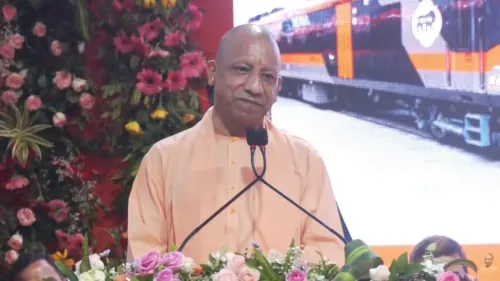
CM Majhi framed the launch in explicitly cultural terms, writing that 'India's journey towards modernisation is also a journey towards reconnecting people with their cultural and spiritual heritage.' The train, he noted, comes equipped with modern amenities and advanced safety features — a nod to the quality leap the Vande Bharat brand has come to represent since the first express entered service on the New Delhi–Varanasi route in 2019.
Vande Bharat Sleeper: a longer-haul leap
The original Vande Bharat Express was a chair-car, daytime proposition — fast and comfortable, but limited to routes where passengers could travel sitting. The sleeper variant extends that proposition to overnight and long-distance corridors, opening semi-high-speed comfort to an entirely different category of traveller. For the Kashi-Delhi stretch, that matters: the journey covers the breadth of Uttar Pradesh, India's most populous state and its densest pilgrimage belt.
Successive union budgets and the National Infrastructure Pipeline have consistently backed new rolling stock and improved connectivity to religious and heritage centres, treating railway upgrades as both economic drivers and enablers of cultural access. The Viksit Bharat 2047 framework — the central government's vision for a developed India by the country's centenary of independence — explicitly counts transport infrastructure among its foundational pillars.
Why a state CM is watching a UP rail launch closely
CM Majhi leads Odisha, not Uttar Pradesh — yet his enthusiasm here is not incidental. Puri, the Jagannath pilgrimage site in Odisha, sits downstream on the same national pilgrimage circuit that includes Kashi and Prayagraj. Better rail connectivity into that spiritual corridor ultimately feeds footfall toward Odisha's own heritage destinations. The CM's post also carries the hashtag #VikshitBharat2047, signalling alignment with the broader BJP-led development narrative ahead of what is expected to be an active infrastructure-announcement cycle.
The bigger picture: Indian Railways is now a deliberate instrument of soft power — routing investment not just where population density demands it, but where cultural gravity already pulls millions of Indians every year. The Kashi-Delhi Vande Bharat Sleeper is the latest, most visible expression of that strategy.
For pilgrims who once boarded unreserved coaches for the long overnight haul to Kashi, the sleeper berth is not a luxury — it is a long-overdue arrival.
Point of View
Endorsing a UP-centric rail launch while governing Odisha signals active participation in the national BJP narrative ahead of anticipated budget and election cycles. The Vande Bharat Sleeper rollout itself represents a maturing phase of Indian Railways modernisation: having proved the chair-car model, the government is now extending the brand into the more politically resonant overnight-travel segment used by hundreds of millions of lower-middle-class pilgrims and workers. Expect the Viksit Bharat 2047 hashtag to become an increasingly standard framing device for infrastructure announcements as the programme's mid-point milestone approaches.
NationPress
31 Oct 2026
Frequently Asked Questions
What is the route of the second Vande Bharat Sleeper Train?
The second Vande Bharat Sleeper Train runs between Kashi (Varanasi) and New Delhi, stopping at Prayagraj and Kanpur Central along the way.
What is the difference between Vande Bharat Express and Vande Bharat Sleeper?
The original Vande Bharat Express is a chair-car, daytime semi-high-speed service, while the Vande Bharat Sleeper variant adds sleeping berths for longer overnight journeys.
When did the first Vande Bharat train start running?
The first Vande Bharat Express entered service in 2019 on the New Delhi–Varanasi route, marking India's debut in semi-high-speed rail.
What is Viksit Bharat 2047?
Viksit Bharat 2047 is the central government's national vision to make India a fully developed nation by 2047, the centenary of independence, with transport and heritage connectivity among its core pillars.
Why did Odisha CM Majhi comment on a Uttar Pradesh train launch?
CM Majhi's statement reflects both his alignment with the national BJP development narrative and indirect relevance to Odisha, whose Puri pilgrimage circuit connects to the same broader spiritual travel corridor served by the new Kashi-Delhi route.