PM Modi flags off Kashi-Delhi Vande Bharat Sleeper Train
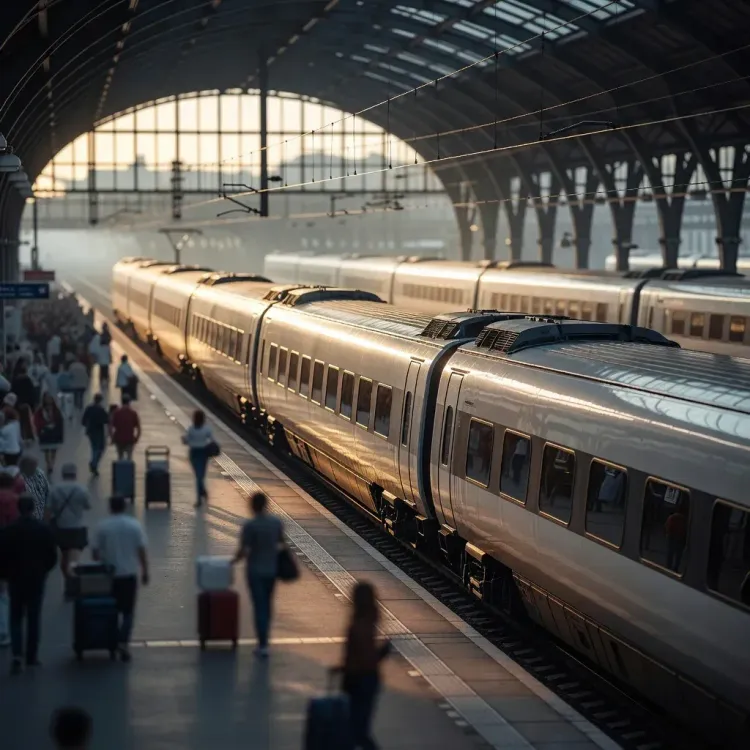
Synopsis
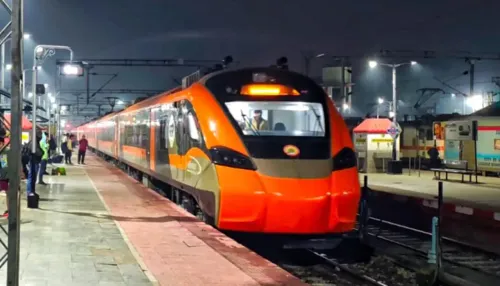
Prime Minister Narendra Modi on 31 October 2026 announced the launch of the Kashi-Delhi Vande Bharat Sleeper Train, describing it as India's second such sleeper service, fitted with modern amenities and an advanced safety system, promising time savings and a better travel experience on a key northern corridor.
Key Takeaways
PM Modi announced the Kashi-Delhi Vande Bharat Sleeper Train on 31 October 2026 .
The train is described as India's second Vande Bharat Sleeper train.
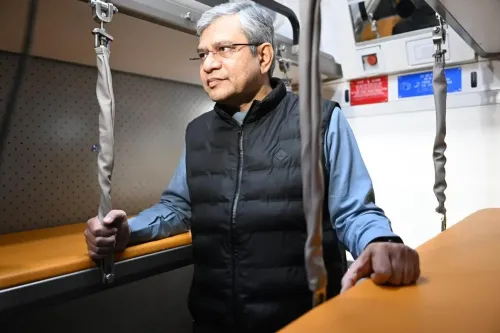
It features modern amenities and an advanced safety system , according to the Prime Minister.
The launch extends Vande Bharat coverage from daytime chair-car runs to overnight sleeper travel on the Delhi-Varanasi corridor.
The Delhi-Kashi route was also the debut corridor for the original Vande Bharat Express in 2019 .
The rollout aligns with Indian Railways' push for indigenously manufactured, modernised rolling stock on high-demand routes.
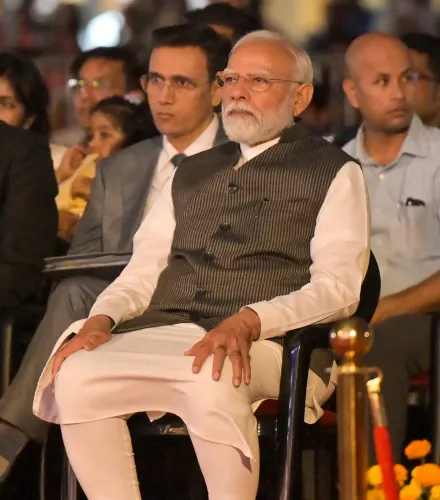
Overnight travel between New Delhi and Kashi (Varanasi) just got a significant upgrade. Prime Minister Narendra Modi on Saturday, 31 October 2026, announced the launch of the Kashi-Delhi Vande Bharat Sleeper Train, calling it a historic day for passengers on one of northern India's most travelled rail corridors.
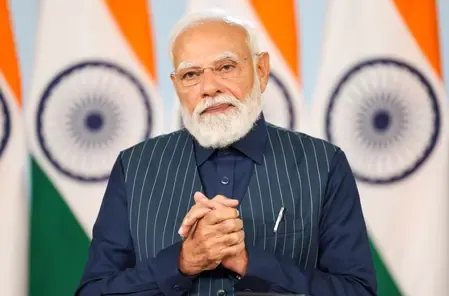
In his post on X, the Prime Minister wrote — 'दिल्ली और काशी के बीच रेल यात्रा करने वालों के लिए आज का दिन ऐतिहासिक है' ('Today is a historic day for those who travel by rail between Delhi and Kashi'). He underlined that the new service would save passengers time while delivering a markedly better onboard experience.
India's second Vande Bharat Sleeper — what sets it apart
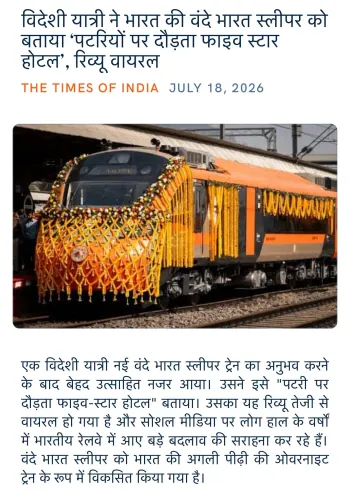
The Prime Minister described the train as equipped with modern amenities and an advanced safety system, and identified it as the country's second Vande Bharat Sleeper train. The sleeper configuration is a meaningful leap from the chair-car Vande Bharat services that have run since the original Delhi-Varanasi inaugural in 2019 — those trains were designed for day travel, while the sleeper variant opens the corridor to overnight journeys with berth comfort closer to premium express standards.
Indian Railways has been progressively expanding the Vande Bharat family as part of a broader push to modernise rolling stock through domestic manufacturing. The Delhi-Kashi route has been a consistent first-mover in these rollouts, reflecting both the route's heavy traffic and its symbolic weight — Varanasi is Prime Minister Modi's own parliamentary constituency.
Delhi-Kashi: a corridor that keeps leading India's rail upgrades
The roughly 800-kilometre Delhi-Varanasi corridor is among the busiest in the Indian Railways network, carrying pilgrims, students, traders and tourists in large volumes year-round. The introduction of a sleeper-class semi-high-speed service on this route signals that the phased Vande Bharat rollout — which began with chair cars on shorter, faster daytime runs — is now targeting overnight, long-haul travel demand.
The broader policy arc points toward additional Vande Bharat Sleeper deployments on other high-demand corridors, with subsequent railway budgets likely to announce further routes. Each new deployment also reinforces the Aatmanirbhar Bharat (self-reliant India) manufacturing narrative, as the trains are indigenously designed and built.
For the millions who have long endured the trade-off between speed and sleeping comfort on the Delhi-Kashi run, the calculus just changed.
Point of View
Amplifying the political optics of delivery. The sleeper rollout also deepens the 'Make in India' rolling-stock narrative, positioning domestic manufacturing as capable of competing with imported overnight rail solutions. The pace of further Vande Bharat Sleeper deployments will be the real measure of whether this is a transformative network shift or a high-profile one-off.
NationPress
31 Oct 2026
Frequently Asked Questions
What is the Vande Bharat Sleeper Train?
The Vande Bharat Sleeper Train is an indigenously developed semi-high-speed train fitted with sleeper berths, modern passenger amenities and an advanced safety system — an upgrade from the earlier chair-car Vande Bharat Express designed for daytime travel.
Is the Kashi-Delhi Vande Bharat Sleeper India's first such train?
According to Prime Minister Modi's announcement, the Kashi-Delhi service is India's second Vande Bharat Sleeper train, implying one earlier sleeper variant was already in service.
How does the Vande Bharat Sleeper differ from the regular Vande Bharat Express?
The original Vande Bharat Express uses chair-car seating suited to shorter daytime routes, while the Sleeper variant adds berth accommodation for overnight long-distance travel, alongside upgraded safety and comfort features.
Why does the Delhi-Varanasi route keep getting Vande Bharat firsts?
The Delhi-Varanasi (Kashi) corridor is one of the busiest in northern India, carrying heavy pilgrim, tourist and commuter traffic year-round. It was also where the original Vande Bharat Express debuted in 2019, making it a consistent priority for Indian Railways upgrades.
Will Vande Bharat Sleeper trains run on other routes too?
Indian Railways has signalled a phased expansion of the Vande Bharat Sleeper fleet across high-demand corridors, though specific future routes and timelines are expected to be announced in subsequent railway budgets and infrastructure reviews.