CM Bhupendra Patel Welcomes Bankim Chandra Descendants at Ekta Nagar
Synopsis
Gujarat CM Bhupendra Patel welcomed descendants of Vande Mataram creator Bankim Chandra Chattopadhyay to Ekta Nagar on October 31, 2026, for an Anand Math presentation before PM Narendra Modi, framing the Bengal-Gujarat cultural moment as a living expression of Ek Bharat Shreshtha Bharat.
Key Takeaways
Descendants of Bankim Chandra Chattopadhyay visited Ekta Nagar, Gujarat on October 31, 2026 .
Prime Minister Narendra Modi was present at the Anand Math presentation at the event.
Vande Mataram first appeared in Chattopadhyay's novel Anand Math , published in 1882 .
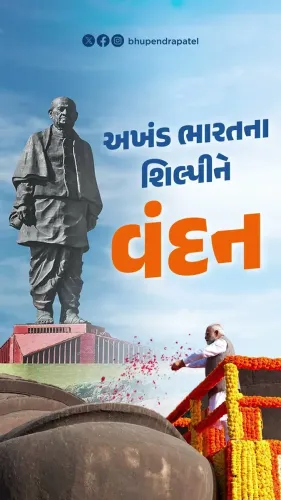
Ekta Nagar is built around the Statue of Unity , dedicated to Sardar Vallabhbhai Patel , Gujarat's symbol of national integration.
The event aligns with the Ek Bharat Shreshtha Bharat programme, launched in 2015 to foster inter-state cultural linkages.
CM Bhupendra Patel described the visit as 'a bond between Bengal and Gujarat' reflecting national unity.
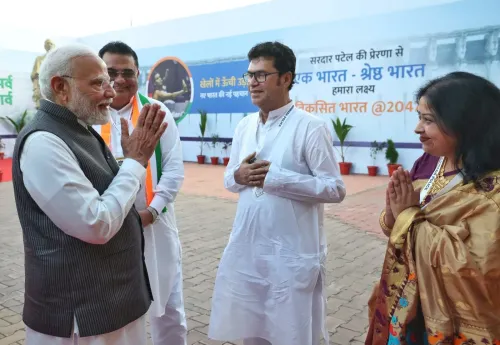
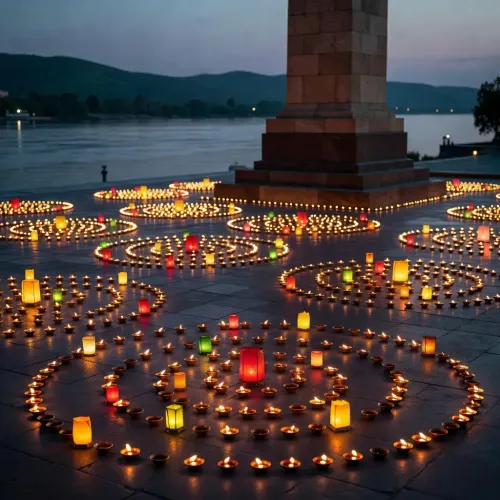
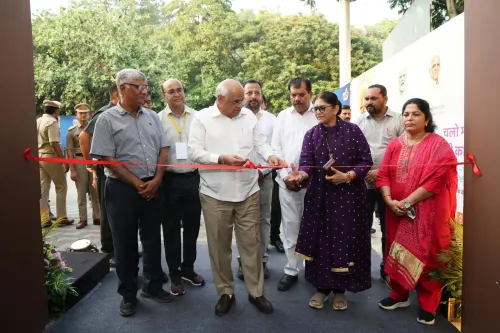
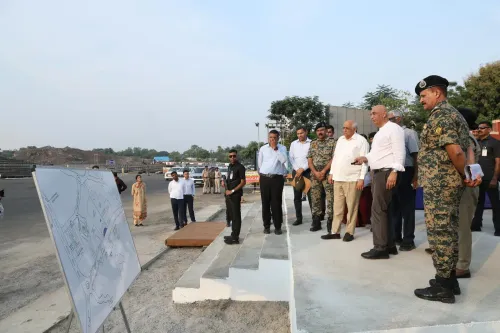
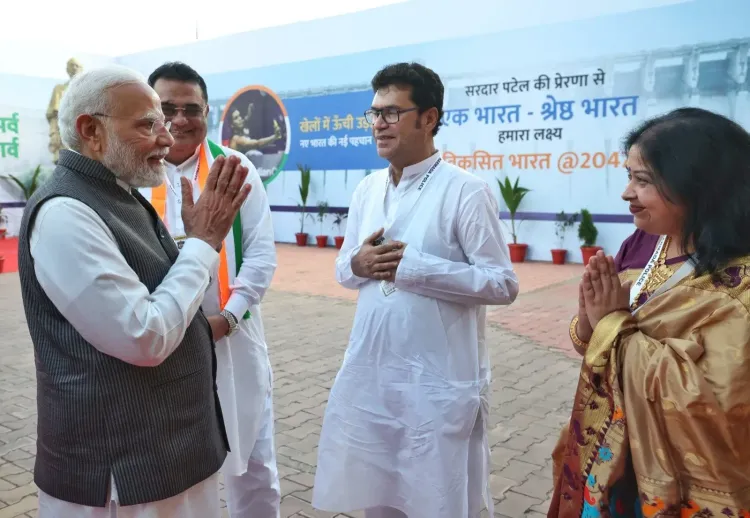
The family of the man who gave India its immortal battle cry stood on Gujarat soil on Saturday, October 31, 2026 — and Gujarat Chief Minister Bhupendra Patel made sure the moment was not lost on anyone. Descendants of Rishi Bankim Chandra Chattopadhyay, author of Vande Mataram, visited Ekta Nagar for a special presentation of Anand Math in the presence of Prime Minister Narendra Modi, turning an evening by the Statue of Unity into a quiet but resonant chapter in India's cultural story.
Bengal's literary legacy lands in the land of Sardar Patel
The symmetry is deliberate and striking. Ekta Nagar — the town built around the world's tallest statue, honouring Sardar Vallabhbhai Patel, Gujarat's own symbol of national integration — hosted the descendants of the Bengali visionary whose 1882 novel Anand Math first carried the song Vande Mataram into the national consciousness. CM Patel called it 'a bond between Bengal and Gujarat that truly reflects Ek Bharat, Shreshtha Bharat.'
That phrase is more than poetic flourish. Ek Bharat Shreshtha Bharat, launched by the Central government in 2015, is a structured programme pairing Indian states in cultural exchange — and this event sits squarely within that framework, threading a 144-year-old literary heritage from Bengal into Gujarat's landscape of national unity symbols.
What Vande Mataram means — and why the venue matters
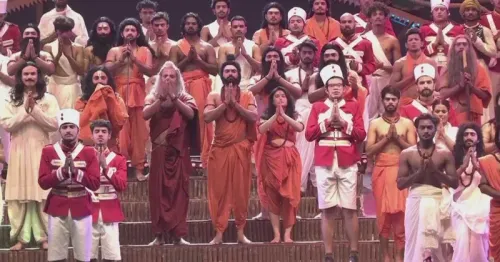
Vande Mataram ('I bow to thee, Mother') first appeared in Chattopadhyay's novel as a hymn to the motherland, sung by monks preparing to resist colonial rule. It became a rallying cry of the independence movement and was later adopted as India's national song. The descendants' presence at an event featuring a theatrical or musical presentation of Anand Math — the very work that birthed the song — in front of the Prime Minister lends the occasion a rare generational weight.
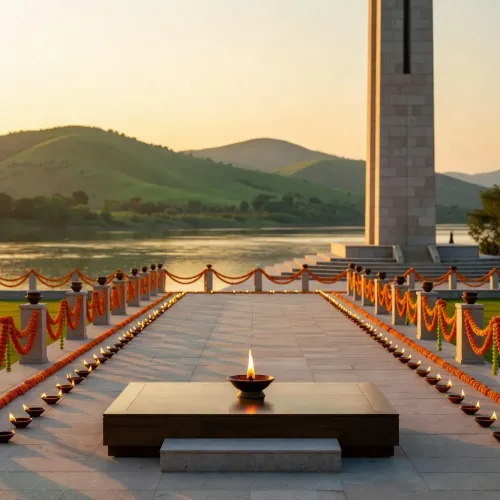
Ekta Nagar is not an accidental venue. Developed around the Statue of Unity as a hub for programmes centred on national integration, it has hosted a series of events that pair regional heritage with pan-Indian symbolism. Placing Bengal's greatest nationalist literary moment within that geography reinforces the site's role as a stage for exactly this kind of cultural diplomacy.
A recurring pattern at India's unity landmark
This event follows a recognisable template in BJP-led cultural programming: anchoring diverse regional legacies to centralised sites of nationalist memory. Sardar Patel unified the princely states; Vande Mataram unified a people's imagination. Bringing both into the same frame, with the Prime Minister present, amplifies the political as much as the cultural message.
CM Patel closed his post with a simple, emphatic 'Vande Mataram! 🇮🇳' — three words that, given the evening's context, carried rather more weight than a sign-off.
The descendants of the man who wrote India's soul into a song have visited the monument to the man who built India's body — and at Ekta Nagar, at least for one evening, the two Indias met.
Point of View
With the Prime Minister as the presiding witness. It extends the BJP's established pattern of convening diverse regional heritage under a unified national-identity roof, reinforcing the Ek Bharat Shreshtha Bharat framework with living symbols rather than policy documents. The choice of Chattopadhyay's descendants — not just archivists or academics — personalises the lineage and lends the event emotional legitimacy beyond routine cultural programming. Whether it deepens the Bengal-Gujarat political relationship or remains ceremonial will depend on what sustained programming follows.
NationPress
31 Oct 2026
Frequently Asked Questions
Who was Bankim Chandra Chattopadhyay?
Bankim Chandra Chattopadhyay was a 19th-century Bengali author best known for writing the novel Anand Math (1882), which introduced the song Vande Mataram — later adopted as India's national song.
What is the Anand Math presentation at Ekta Nagar?
The Anand Math presentation was a cultural event at Ekta Nagar on October 31, 2026, held in the presence of PM Narendra Modi and attended by descendants of the novel's author, Bankim Chandra Chattopadhyay.
What is Ek Bharat Shreshtha Bharat?
Ek Bharat Shreshtha Bharat is a Central government programme launched in 2015 that pairs Indian states in cultural exchanges to promote national unity and inter-state understanding.
Why is Vande Mataram significant to India?
Vande Mataram, meaning 'I bow to thee, Mother,' was written by Bankim Chandra Chattopadhyay in 1882 as a hymn in Anand Math . It became a symbol of the independence movement and is India's national song.