Trump unveils Iran nuclear deal at G7, eyes broader Middle East pact
Synopsis
At the G7 in Evian, Trump revealed a 14-paragraph US-Iran memorandum of understanding that freezes Tehran's nuclear ambitions, restores Hormuz shipping, and opens a 60-day clock for a final deal — with PM Modi and Gulf leaders reportedly on board, and a blunt military threat as the fallback.
Key Takeaways
US President Donald Trump unveiled a US-Iran memorandum of understanding on 17 June at the G7 summit in Evian, France .
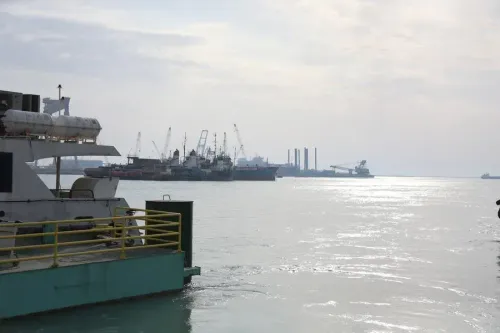
The 14-paragraph agreement commits Iran not to procure or develop nuclear weapons and restores shipping through the Strait of Hormuz .
A 60-day negotiation window has been established to reach a final, comprehensive settlement.
Sanctions relief is tied to Iranian compliance, with international oversight of enriched nuclear material.
Prime Minister Narendra Modi and leaders from Saudi Arabia, Qatar, UAE, and Egypt were cited by Trump as supportive of the deal.
Trump warned that military action remains on the table if Iran fails to comply: 'we're going to bomb the hell out of them.'
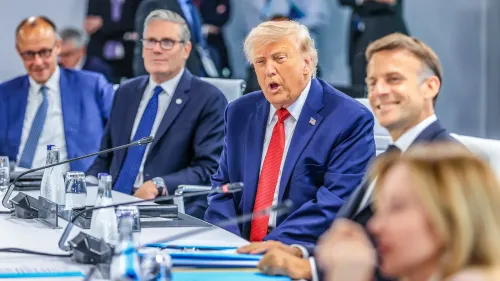
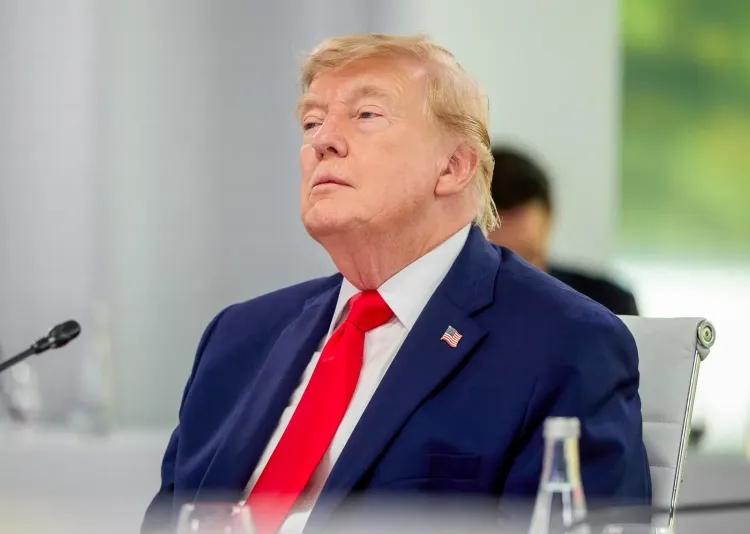
US President Donald Trump on Wednesday, 17 June unveiled the details of a new agreement with Iran at the conclusion of the G7 summit in Evian, France, saying the deal would prevent Tehran from acquiring a nuclear weapon, reopen the Strait of Hormuz, and lay the groundwork for a wider diplomatic reset across the Middle East.
The announcement marks one of the most significant diplomatic developments of Trump's second term, arriving amid months of escalating tensions over Iran's nuclear programme and disruptions to global shipping lanes.
What the Agreement Contains
Senior US officials released the text of a 14-paragraph memorandum of understanding that commits Iran not to 'procure or develop nuclear weapons', restores commercial shipping through the Strait of Hormuz, and establishes a 60-day window for negotiating a final, comprehensive agreement.
The memorandum also links sanctions relief to Iranian compliance and provides for international oversight of Tehran's enriched nuclear material — two elements that were central sticking points in earlier diplomatic rounds, including the 2015 JCPOA.
Trump's Words at the G7
'On Sunday, we reached an agreement with Iran that achieves everything we set out to accomplish,' Trump said. 'Ending the current conflict, reopening the Strait of Hormuz and preventing Iran from obtaining a nuclear weapon.'
Trump also made clear the deal would be enforced through a combination of diplomacy, economic pressure, and the credible threat of force. 'If they don't adhere to the agreement,' he said, 'we're going to bomb the hell out of them.'
Global Backing and PM Modi's Role
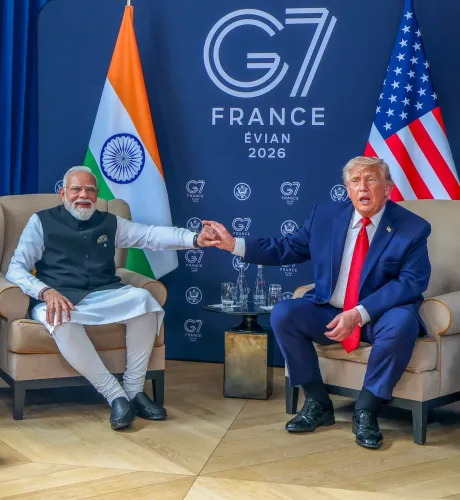
Trump said the agreement received strong backing from world leaders attending the summit, specifically citing Prime Minister Narendra Modi and several Gulf leaders. 'Prime Minister Modi was here, we had a long talk,' Trump said. 'They are thrilled that we made a deal.'
Trump also said he consulted with leaders from Saudi Arabia, Qatar, the United Arab Emirates, and Egypt during the summit. He additionally credited Chinese President Xi Jinping and Russian President Vladimir Putin with remaining neutral during the conflict — an acknowledgement of the geopolitical balancing act that preceded the agreement.
Implications for the Broader Middle East
Beyond the immediate nuclear and shipping dimensions, Trump framed the deal as a potential foundation for wider regional diplomacy. 'It's my hope that the peace agreement will be the beginning of a much larger deal all across the Middle East,' he said.
Trump pointed specifically to expanding the Abraham Accords, stabilising Lebanon, and addressing Iran-backed proxy groups as future priorities. He also publicly urged Israeli Prime Minister Benjamin Netanyahu to exercise greater restraint in Lebanon. 'You can do a little softer touch, Bibi,' Trump said. 'You don't have to knock down a building every time somebody walks into it that's from Hezbollah.'
What It Means for India and Energy Markets
For India and other major energy importers, the reopening of the Strait of Hormuz carries direct economic significance — a substantial share of global crude oil exports transits the narrow waterway linking the Persian Gulf to international markets. Trump argued that restored shipping flows would help push down global energy prices. 'Oil prices are plummeting,' he said.
With the 60-day negotiation window now in motion, the coming weeks will test whether the memorandum of understanding can be converted into a durable, verifiable accord — or whether it joins a long line of Middle East diplomatic frameworks that stalled at the implementation stage.
Point of View
But the architecture is familiar — sanctions leverage, international oversight, a compliance clock — and so are the risks. The 60-day window for a final deal is tight by any diplomatic standard, and Iran's domestic politics have derailed similar timelines before. Trump's public praise of Xi and Putin for staying neutral is a significant geopolitical signal: it implicitly acknowledges that a US-Iran deal required great-power acquiescence, not just bilateral pressure. For India, the Hormuz reopening is the most immediate win, but New Delhi will watch the Abraham Accords expansion closely — any normalisation between Israel and Gulf states reshapes the regional architecture India has carefully navigated for decades.
NationPress
22 Sept 2026
Frequently Asked Questions
What is the US-Iran agreement announced by Trump at the G7?
It is a 14-paragraph memorandum of understanding unveiled on 17 June 2025 at the G7 summit in Evian, France, committing Iran not to procure or develop nuclear weapons, restoring commercial shipping through the Strait of Hormuz, and opening a 60-day period to negotiate a final comprehensive settlement.
What does the deal mean for the Strait of Hormuz?
The agreement restores commercial shipping through the Strait of Hormuz, a critical chokepoint through which a significant share of global crude oil exports passes. Trump said the reopening would help push down global oil prices, benefiting major energy importers including India.
Did PM Modi support the Iran nuclear deal?
According to Trump, Prime Minister Narendra Modi, who attended the G7 summit, expressed strong support for the agreement. 'They are thrilled that we made a deal,' Trump said, adding that he had a lengthy conversation with Modi on the sidelines.
What happens if Iran does not comply with the agreement?
Trump explicitly stated that military force remains an option. 'If they don't adhere to the agreement, we're going to bomb the hell out of them,' he said, framing the deal as backed by a combination of diplomacy, economic sanctions, and the threat of renewed military action.
How does this deal connect to the broader Middle East diplomatic agenda?
Trump described the Iran agreement as a potential foundation for wider regional diplomacy, citing expansion of the Abraham Accords, stabilisation of Lebanon, and addressing Iran-backed proxy groups as future priorities. He also urged Israeli PM Benjamin Netanyahu to exercise greater restraint in Lebanon.