Trump eyes broader Middle East deal after Iran nuclear accord
Synopsis
Trump isn't treating the Iran nuclear accord as an endpoint — he's pitching it as the opening move in a larger Middle East realignment. With Abraham Accords expansion explicitly named as the next target and senior officials signalling that proxy funding is on the post-nuclear agenda, Washington is betting one deal can unlock a cascade of regional diplomacy.
Key Takeaways
President Trump on 17 June called the Iran nuclear agreement the potential foundation for a broader Middle East diplomatic settlement.
Expansion of the Abraham Accords — which normalised Israel 's ties with the UAE , Bahrain , and others — was named as the administration's next major objective.
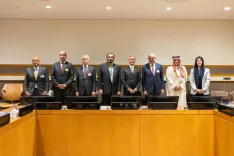
Trump consulted Saudi Crown Prince Mohammed bin Salman , UAE President Sheikh Mohammed bin Zayed , Qatar's Emir , and Egyptian President El-Sisi on the sidelines of the G7 in France .
Senior US officials said post-nuclear talks with Iran would address regional stability and proxy funding .
Trump cited relative quiet from Hamas and flagged Lebanon and Hezbollah as areas for future diplomatic engagement.
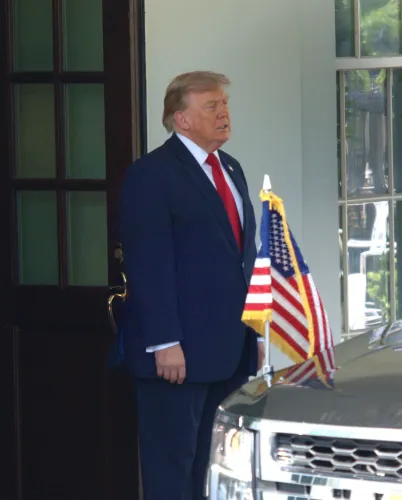
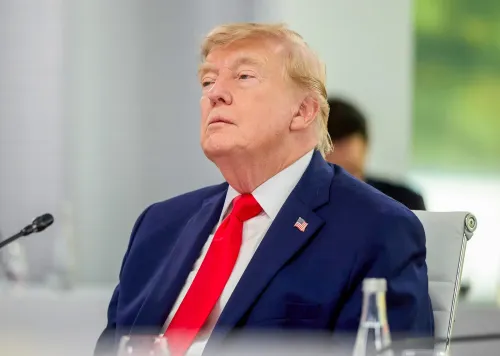
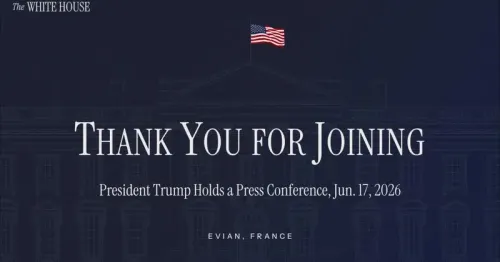
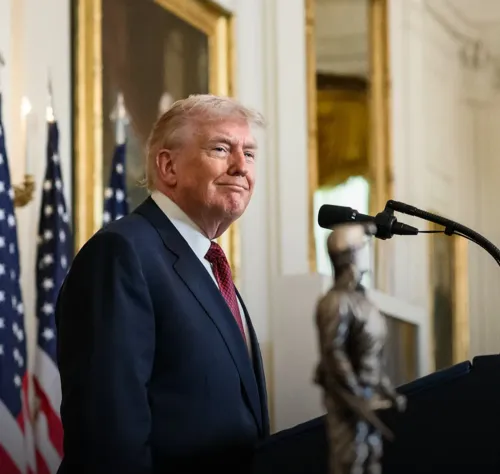
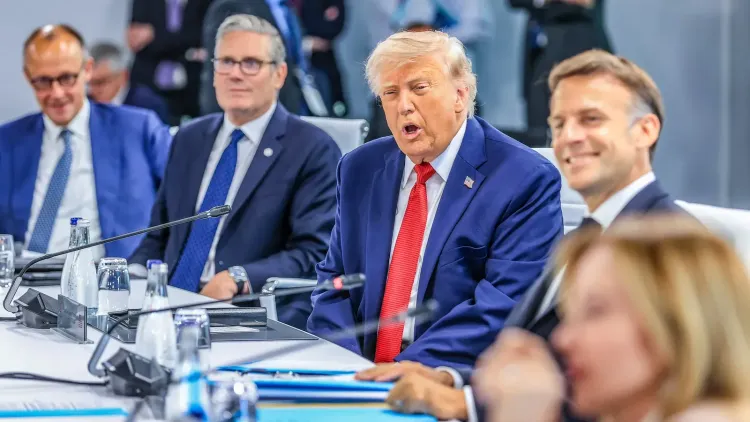
President Donald Trump on Wednesday, 17 June said the newly announced agreement with Iran could serve as the cornerstone of a sweeping diplomatic realignment across the Middle East, including a significant expansion of the Abraham Accords and coordinated efforts to wind down long-running regional conflicts. Trump made the remarks following the G7 summit in Évian, France.
The Iran Deal as a Regional Launchpad
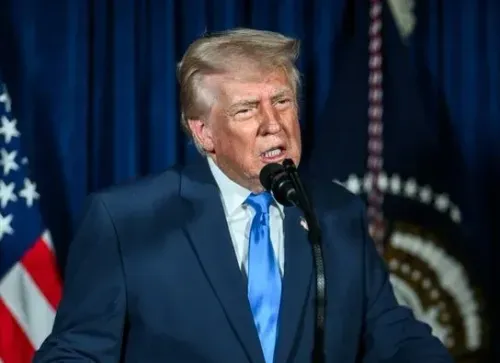
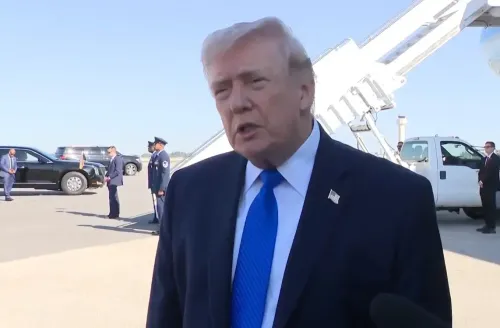
Trump framed the Iran agreement as extending well beyond nuclear non-proliferation. Speaking at a post-summit news conference, he said the accord was designed to create conditions for broader regional stability — not merely to prevent Tehran from acquiring a nuclear weapon.
'As I expressed to the world leaders here this week, it's my hope that the peace agreement will be the beginning of a much larger deal all across the Middle East,' Trump told reporters.
A senior US official, speaking on background, said future talks with Iran could move beyond the nuclear file to encompass wider security concerns. 'After nuclear is gonna be regional stability and funding of proxies,' the official said.
Abraham Accords Expansion in Focus
Trump identified the expansion of the Abraham Accords — the normalisation framework brokered during his first term that brought Israel into formal diplomatic relations with the United Arab Emirates, Bahrain, and others — as a primary next objective.
'So the expansion of the Abraham Accords is the other thing that we hope we're going to get,' he said. Trump suggested the Iran deal could remove a significant psychological barrier that had previously deterred regional countries from joining the framework. 'Everybody was afraid of Iran,' he said.
He specifically praised the UAE for its early commitment, noting, 'UAE went in right from the beginning.'
Regional Leaders Signal Support
Trump said he held extensive consultations with key regional figures on the sidelines of the G7, including Emir of Qatar Sheikh Tamim bin Hamad Al Thani, UAE President Sheikh Mohammed bin Zayed Al Nahyan, Egyptian President Abdel Fattah El-Sisi, and Saudi Crown Prince Mohammed bin Salman.
'I spoke to the Crown Prince of Saudi Arabia a number of times,' Trump said. 'They're all so happy about this deal.'
The President argued that the accord directly addresses the foremost security concern of both Israel and several Arab states. 'Think of what Israel is getting, they're not going to be nuked,' he said. 'Very simple.'
Lebanon, Hezbollah, and Gaza in the Frame
Trump also pointed to potential diplomatic openings in Lebanon, flagging the role of Hezbollah as a subject for future engagement. Senior US officials indicated that reducing Iran's funding of regional proxies would be a core agenda item in subsequent negotiations.
Trump additionally referenced relative quiet from Hamas as a signal of shifting regional conditions. 'Look at Hamas, Hamas has been very silent,' he said. Notably, the administration stopped short of detailing a specific mechanism or timeline for these broader diplomatic steps.
What Comes Next
While Trump acknowledged that significant challenges remain, the administration's posture suggests a sequenced strategy: consolidate the Iran nuclear agreement first, then leverage it to draw additional Arab states into the Abraham Accords framework and address proxy conflicts. Senior officials indicated that economic cooperation — rather than security competition — is the long-term goal the White House hopes to incentivise through the deal. How durable that momentum proves will depend heavily on implementation details that have yet to be made public.
Point of View
Which Trump did not address. Citing Hamas's silence as evidence of a regional shift is a thin reed: silence can reflect tactical calculation as much as diplomatic progress. The real test is whether the Iran agreement holds long enough to create the confidence-building environment Trump is projecting — and whether Saudi Arabia's reported enthusiasm translates into a formal normalisation step with Israel, which remains the administration's most consequential unfinished piece.
NationPress
26 Sept 2026
Frequently Asked Questions
What did Trump say about a broader Middle East deal after the Iran agreement?
Trump said the Iran nuclear accord could be the foundation for a much larger diplomatic settlement across the Middle East, including expanding the Abraham Accords to additional countries. He made the remarks at a news conference following the G7 summit in Évian, France, on 17 June.
What are the Abraham Accords and why does Trump want to expand them?
The Abraham Accords, brokered during Trump's first term, normalised diplomatic relations between Israel and several Arab nations including the UAE and Bahrain. Trump has identified expanding this framework to more regional countries as a key next step, arguing the Iran deal removes a key deterrent — fear of Iranian retaliation — that had held back wider participation.
Which regional leaders did Trump consult at the G7 on the Iran deal?
Trump said he spoke with Saudi Crown Prince Mohammed bin Salman multiple times, as well as UAE President Sheikh Mohammed bin Zayed Al Nahyan, Qatar's Emir Sheikh Tamim bin Hamad Al Thani, and Egyptian President Abdel Fattah El-Sisi. He said all expressed satisfaction with the agreement.
What issues could come up in future US-Iran talks beyond the nuclear file?
Senior US officials said that after the nuclear issue, future discussions with Iran would focus on regional stability and Iran's funding of proxy groups. The administration hopes progress on nuclear matters will encourage a broader shift toward economic cooperation across the region.
What did Trump say about Hamas, Lebanon, and Hezbollah in this context?
Trump pointed to what he described as unusual quiet from Hamas as a sign of shifting regional conditions, and said the Iran deal creates an opening to address Lebanon and the role of Hezbollah. Senior officials indicated proxy funding would be on the post-nuclear agenda, though no specific timeline or mechanism was announced.