Trump says US-Iran nuclear deal near finalisation, signing within days
Synopsis
Trump declared a US-Iran nuclear deal all but done, with documents being finalised and a signing ceremony potentially days away. If it holds, the Strait of Hormuz blockade ends, Iran permanently forswears nuclear weapons, and the Middle East enters a dramatically different security landscape — all hinging on a framework whose details remain unverified.
Key Takeaways
President Donald Trump announced on 12 June that the US and Iran are close to finalising a nuclear deal.
Under the proposed agreement, Iran would permanently forgo developing or purchasing a nuclear weapon.
A formal signing ceremony could take place “over the weekend” in Europe , with VP JD Vance representing the US.
Trump said the Strait of Hormuz maritime blockade would be lifted as soon as the deal is signed.
Leaders from Israel, Qatar, UAE, Saudi Arabia, Bahrain, and Kuwait were consulted during negotiations.
Trump claimed Iran’s military capabilities — navy, air force, and air defences — had been severely degraded; these claims are unverified.
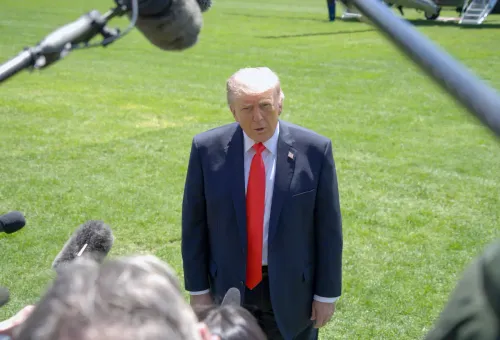
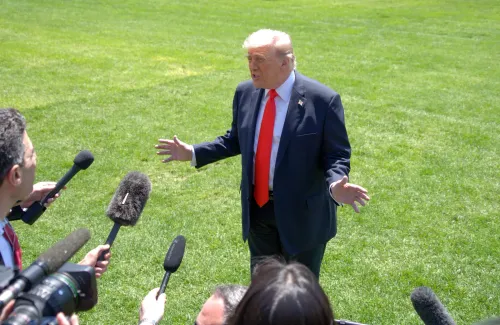
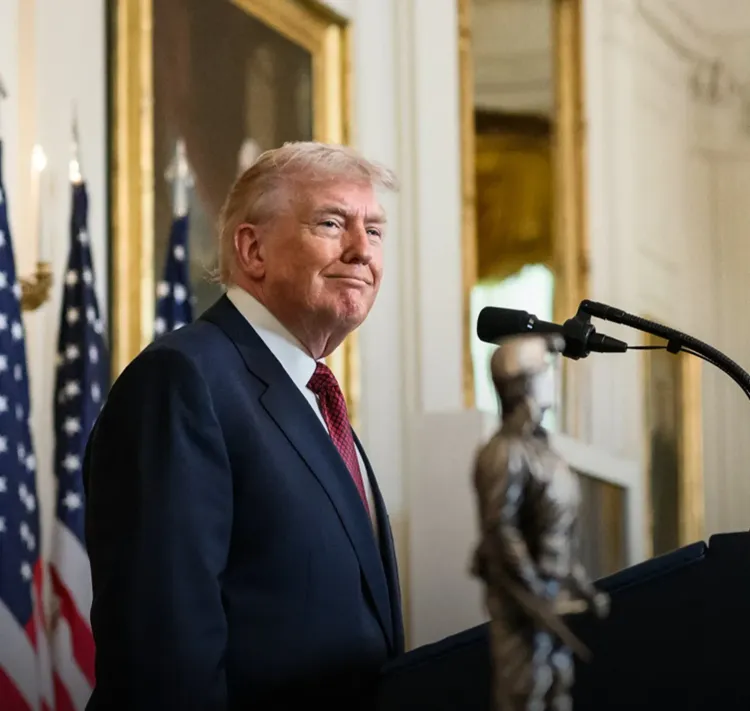
US President Donald Trump on 12 June declared that the United States and Iran are on the verge of finalising an agreement that would permanently bar Tehran from acquiring a nuclear weapon, raising the prospect of a formal signing ceremony within days and a potential easing of tensions across the Middle East. Speaking at the White House, Trump said negotiations had advanced to the stage where final documents were being prepared.
What Trump Said
“We just made a great settlement of the war with Iran, and we’re going to be subject to finalization of documents, which should get done over the next few days,” Trump told reporters. “We have a deal that Iran will never have a nuclear weapon.”
Trump indicated the agreement could be signed “very soon,” possibly over the weekend in Europe, though he said Vice President JD Vance would represent the administration at any formal ceremony. He described the framework as “a very strong memorandum of understanding” endorsed by multiple regional powers.
Regional Stakeholders Consulted
Trump said he had spoken with leaders from Israel, Qatar, the United Arab Emirates, Saudi Arabia, Bahrain, and Kuwait as part of the diplomatic effort. He characterised the memorandum as having been “agreed to by many other countries that have great influence over them.”
A central element of the proposed deal, according to Trump, is Iran’s commitment to permanently forgo nuclear weapons. “They will not purchase, develop in any way, any shape, in any way, shape or form a nuclear weapon,” he said. When asked whether Iran’s Supreme Leader had approved the arrangement, Trump replied: “Sir, I understand the answer is yes.”
Strait of Hormuz and Maritime Access
Trump also said that the maritime blockade linked to the conflict would be lifted once the agreement is formally signed. “The Strait will open as soon as we have it signed,” he said, adding the signing could come “maybe Saturday or Monday.” He claimed US operations had secured shipping lanes through the Strait of Hormuz, one of the world’s most critical energy transit corridors, facilitating the movement of “hundreds of millions of barrels of oil.”
Trump’s Assessment of Iran’s Military Position
Trump argued that recent military pressure had significantly altered Tehran’s calculations. “They’ve taken a pounding,” he said. “They want to make the deal a lot more than I do.” He further claimed Iran’s military capabilities had been severely degraded. “Their navy is gone, their air force is gone, their anti-aircraft is gone,” Trump said, adding that Iran had nonetheless proved “rational” and willing to reach an agreement.
The claims about Iran’s military losses have not been independently verified. If the deal holds, it would mark one of the most significant diplomatic developments in US-Iran relations in decades, with direct implications for global energy markets and regional security architecture.
Point of View
A signing venue unconfirmed, and Iran’s Supreme Leader’s approval relayed secondhand. The strategic stakes are enormous: a credible nuclear rollback would reshape Middle East security more than any agreement since the 2015 JCPOA, which the US itself abandoned. But the gap between a memorandum of understanding and a verifiable, enforceable treaty is precisely where past Iran diplomacy has collapsed. The Strait of Hormuz angle adds an energy-market dimension that will move oil prices regardless of whether the deal survives scrutiny.
NationPress
20 Sept 2026
Frequently Asked Questions
What is the US-Iran nuclear deal announced by Trump?
It is a proposed agreement under which Iran would permanently forgo developing or purchasing a nuclear weapon, described by President Trump as a ‘very strong memorandum of understanding.’ Final documents were being prepared as of 12 June, with a formal signing ceremony expected within days.
When and where will the deal be signed?
Trump indicated the signing could happen ‘maybe Saturday or Monday,’ possibly in Europe. He said Vice President JD Vance would represent the US administration at the formal ceremony.
Has Iran’s Supreme Leader approved the deal?
When asked directly, Trump said, ‘Sir, I understand the answer is yes,’ suggesting Supreme Leader approval, though this has not been independently confirmed by Iranian officials.
What happens to the Strait of Hormuz blockade under the deal?
Trump said the maritime blockade would be lifted as soon as the agreement is formally signed, potentially reopening one of the world’s most critical energy transit routes to normal shipping.
Which countries were involved in the negotiations?
Trump said he consulted leaders from Israel, Qatar, the United Arab Emirates, Saudi Arabia, Bahrain, and Kuwait, describing the memorandum as endorsed by countries with significant regional influence.