US-Iran nuclear deal could be signed within days, Trump administration says
Synopsis
The Trump administration has put the odds of a US-Iran nuclear deal at 80-85%, with an MoU potentially days away. Iran would commit indefinitely to never developing a nuclear weapon and surrender enriched material — but gets nothing until it performs. After months of confrontation, this is the most detailed public framework yet, and verification, not trust, is its entire foundation.
Key Takeaways
A US-Iran nuclear MoU could be signed within days, according to a senior Trump administration official on 12 June .
The official put the probability of a deal at ' 80, 85 per cent ', while cautioning final issues remain unresolved.
Iran would commit indefinitely never to build or acquire a nuclear weapon and must surrender highly enriched material.
Sanctions relief and access to frozen assets will only follow after Tehran fulfils specific obligations — Iran gets nothing on signing.
Technical negotiations on material removal and facility decommissioning will continue for 60 days after the MoU is signed.
The administration said it remains in close contact with Israel and is confident regional partners will support the deal.
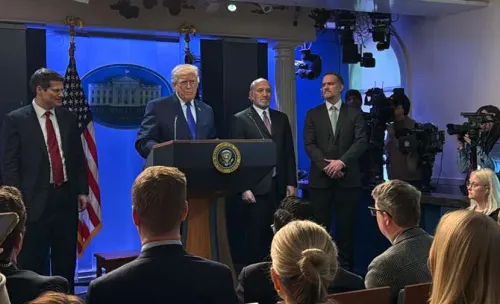
The United States and Iran are on the verge of finalising a landmark nuclear agreement that would require Tehran to dismantle core elements of its nuclear programme, surrender enriched material, and accept a long-term inspection regime in exchange for phased economic relief, the Donald Trump administration announced on Friday, 12 June. A senior administration official said negotiators had made substantial progress and that a memorandum of understanding (MoU) could be signed within days.
How Close Is a Deal
'We do expect to be signing this agreement over the next few days,' the official told reporters, putting the probability of a deal at '80, 85 per cent' while cautioning that talks had not yet crossed the finish line. The proposed agreement represents the most detailed public account yet of a potential settlement after months of military confrontation, economic pressure, and diplomatic engagement between the two countries.
What the Agreement Would Require
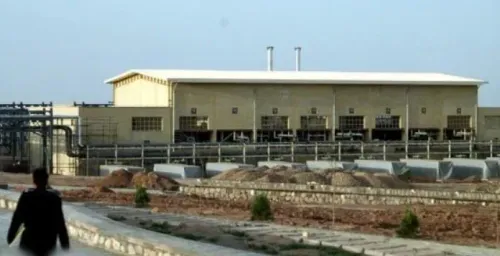
Under the proposed framework, Iran would commit indefinitely never to build or acquire a nuclear weapon. Tehran would be required to eliminate highly enriched material that could be used for military purposes, dismantle relevant nuclear infrastructure, and decommission key facilities. 'They are committing indefinitely to never procure or develop nuclear weapons,' the official said. The administration said the most significant recent breakthrough involved specific language governing the destruction and removal of enriched nuclear material — a change the official described as a major shift in the MoU over the preceding two weeks.
Crucially, the deal does not seek to eliminate civilian nuclear energy in Iran. 'We're not bothered at all by the idea of civilian power plants in Iran,' the official said, adding that Washington's concern was specifically with 'the type of infrastructure that would allow them to jump from civilian power generation to nuclear weapons development.'
Sanctions Relief Tied to Compliance
The administration pushed back firmly against reports that Iran would receive immediate financial benefits upon signing. 'The Iranians don't get anything upon the signing of the MoU,' the official said. Sanctions relief, access to frozen assets, and broader economic reintegration would only follow after Tehran fulfils specific obligations — including transferring nuclear material, dismantling facilities, and meeting regional stability commitments. 'The more that the Iranians perform, the more that they get,' the official said, underlining that the entire framework is built on verification rather than trust. 'I don't think the Iranians trust us, and I don't think the United States trusts the Iranians,' the official acknowledged.
Technical Talks to Continue for 60 Days
Even after an MoU is signed, technical negotiations are expected to continue for 60 days to determine how nuclear material would be removed, how facilities would be decommissioned, and how inspections would be conducted. The official described the material involved as 'very combustible' and 'very volatile', stressing that implementation would not occur overnight.
Israel and Regional Reactions
Questions from reporters focused heavily on whether Israel would back the agreement. The official said Washington remained in close contact with Israeli leaders and expressed confidence that regional partners would support the arrangement once its full terms became clear. 'We feel confident that the deal that we're actually going to strike, assuming we get there, is going to be a deal that everybody in the region can be comfortable with,' the official said. The administration also argued that support for the agreement extends across much of Iran's political and security establishment, with assurances received from both civilian and military interlocutors — despite opposition from some hardliners. Whether those assurances hold once the final text is published will be the deal's first real test.
Point of View
Including the 2015 JCPOA, collapsed not at signing but in implementation. The insistence that Iran receives nothing on signing is structurally sound, yet it also removes Tehran's early-stage incentive to cooperate on the most technically complex steps. Israel's silence so far is conspicuous; a deal Washington calls regionally comfortable without an explicit Israeli endorsement is a claim that will face immediate scrutiny. If hardliners in Tehran or Congress move against this before the ink dries, the 80-85% odds could unwind fast.
NationPress
13 Sept 2026
Frequently Asked Questions
What is the US-Iran nuclear deal being discussed in June 2025?
It is a proposed agreement under which Iran would dismantle core elements of its nuclear programme, surrender enriched nuclear material, and accept a long-term inspection regime in exchange for phased sanctions relief and economic reintegration. A senior Trump administration official said an MoU could be signed within days.
What does Iran have to give up under the proposed deal?
Iran would be required to commit indefinitely never to build or acquire a nuclear weapon, eliminate highly enriched material usable for military purposes, dismantle relevant nuclear infrastructure, and decommission key facilities. Civilian nuclear power generation would be permitted.
Does Iran receive sanctions relief immediately upon signing?
No. The Trump administration has stated explicitly that Iran receives nothing upon signing the MoU. Sanctions relief, access to frozen assets, and broader economic benefits are tied directly to Iran fulfilling specific obligations, including transferring nuclear material and dismantling facilities.
What happens after the MoU is signed?
Technical negotiations are expected to continue for 60 days after signing to work out how nuclear material will be removed, how facilities will be decommissioned, and how inspections will be conducted. The material involved has been described as highly volatile, making implementation a complex process.
How has Israel responded to the proposed US-Iran nuclear deal?
The Trump administration said it remains in close contact with Israeli leaders and is confident that regional partners will support the arrangement once its full terms are clear. No explicit public endorsement from Israel has been reported at this stage.