Iran nuclear deal could take days to finalise, White House says
Synopsis
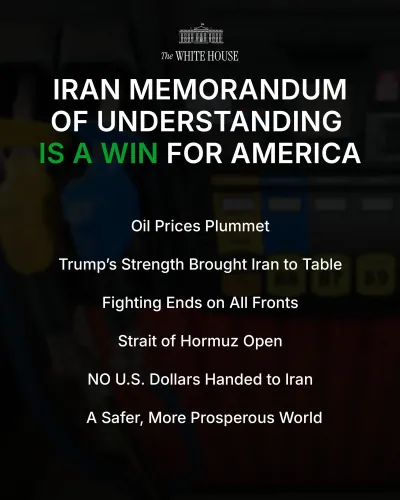
The White House is cautiously optimistic about an Iran nuclear deal but warns it could still unravel — and that Tehran's leadership needs several more days to sign off. Trump, meanwhile, is publicly invoking the ghost of Obama's 2015 JCPOA to frame his own negotiations as its antithesis, even as the substance of any final agreement remains undefined.
Key Takeaways
The White House believes Iran's leadership may need several more days to approve a potential nuclear deal, according to reports citing a senior US official.
US officials are cautiously optimistic but acknowledge the agreement has not been finalised and could still fall through.
President Donald Trump said on Truth Social that he has told his team 'not to rush,' and that the US blockade on Iranian ports will remain until a deal is 'reached, certified, and signed.' Trump sharply criticised the 2015 Iran nuclear deal under former President Barack Obama , calling it 'one of the worst deals ever made.' Trump cited recent calls with leaders from Saudi Arabia , UAE , Qatar , Pakistan , Turkey , Egypt , Jordan , and Bahrain as part of a broader regional framework nearing finalisation.
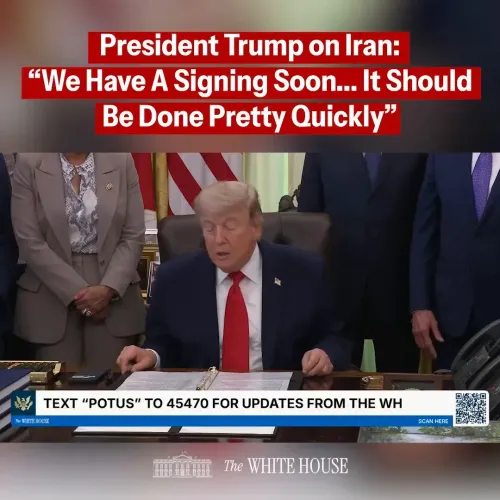
The White House has indicated that it may take several days for Iran's leadership to approve a potential nuclear agreement, according to reports from US media on 25 May. While American officials are said to be cautiously optimistic that a deal could be signed within days, they have also acknowledged it has not been finalised and could still collapse.
Where Negotiations Stand
According to a report citing a senior US official, both sides remain engaged but significant uncertainty persists. It is unclear, the report noted, whether any potential agreement would lead to a lasting peace arrangement that also addresses Washington's broader nuclear demands on Tehran.
What Trump Has Said
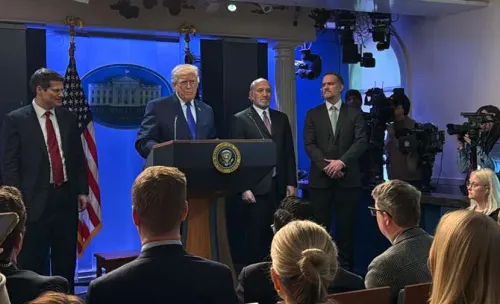
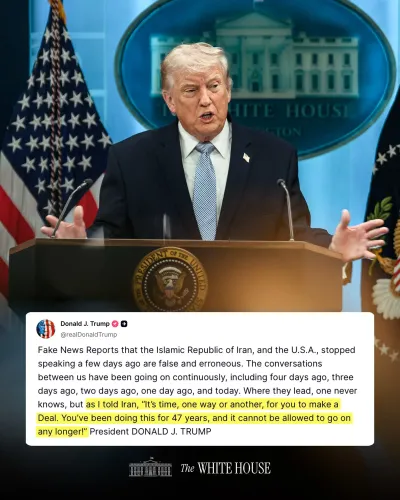
US President Donald Trump on Sunday said he had instructed his 'representatives not to rush into a deal' with Iran, adding that 'time is on our side.' In a post on Truth Social, Trump wrote: 'Both sides must take their time and get it right,' and confirmed that the US blockade on Iranian ports 'will remain in full force and effect until an agreement is reached, certified, and signed.'
Trump also defended his administration's ongoing negotiations, sharply criticising the Obama-era nuclear agreement. He described the 2015 Iran nuclear deal negotiated under former President Barack Obama as 'one of the worst deals ever made by our Country,' asserting it was 'a direct path to Iran developing a Nuclear Weapon.' He contrasted it with the current talks, claiming the ongoing negotiations would achieve 'THE EXACT OPPOSITE.'
Regional Context
Trump's remarks followed his announcement that a broad regional understanding involving Iran and several Middle Eastern nations was close to finalisation. He cited calls with leaders from Saudi Arabia, the United Arab Emirates, Qatar, Pakistan, Turkey, Egypt, Jordan, and Bahrain as part of this diplomatic push.
What Happens Next
The outcome remains contingent on approval from Iran's leadership, a process that US officials believe could take several more days. Analysts note that the gap between an interim understanding and a comprehensive agreement — one that verifiably limits Iran's nuclear programme — remains significant. This is the most advanced stage of US-Iran nuclear talks since the collapse of the 2015 JCPOA framework.
Point of View
But it papers over a harder question: whether the current framework actually imposes stricter, verifiable limits on Iran's enrichment capacity or merely repackages prior commitments. The involvement of eight regional nations suggests Washington is attempting a broader normalisation architecture, but Iran's internal approval dynamics have historically been the decisive variable. Until Tehran's leadership formally signs off, optimism from the US side carries limited weight.
NationPress
23 Sept 2026
Frequently Asked Questions
How close is the US-Iran nuclear deal?
The White House believes a deal could be signed within days, but US officials have also cautioned it has not been finalised and could still fall apart. Iran's leadership is still in the process of approving the terms, according to reports citing a senior US official.
Why is Trump criticising the 2015 Iran nuclear deal?
President Trump has called the 2015 JCPOA negotiated under former President Barack Obama 'one of the worst deals ever made,' arguing it provided a direct path to Iran developing a nuclear weapon. He claims the current negotiations under his administration are aimed at achieving the opposite outcome.
What is the US stance on port blockades during negotiations?
Trump has stated that the US blockade on Iranian ports will remain fully in effect until a deal is 'reached, certified, and signed.' He reiterated this position in a Truth Social post on Sunday, even as talks continue.
Which countries are involved in the broader regional framework?
Trump cited conversations with leaders from Saudi Arabia, the United Arab Emirates, Qatar, Pakistan, Turkey, Egypt, Jordan, and Bahrain as part of a wider regional understanding that he said was close to finalisation alongside the Iran negotiations.
What remains unresolved in the US-Iran talks?
It remains unclear whether any potential deal will address US nuclear demands comprehensively or lead to a lasting peace agreement. The gap between a preliminary understanding and a verifiable, enforceable nuclear framework is still significant, according to reports.