US open to Iran civilian nuclear programme under strict deal
Synopsis
The Trump administration has signalled it will allow Iran to keep civilian nuclear power plants — but only if Tehran permanently surrenders the infrastructure needed to build a bomb. A deal could be signed within days, with phased sanctions relief tied to verified compliance and a 60-day technical window to sort out the removal of highly enriched material.
Key Takeaways
The Trump administration confirmed on 13 June it would accept a civilian nuclear programme in Iran under a proposed deal.
Iran would be required to remove highly enriched nuclear material, dismantle weapons-programme infrastructure, and accept ongoing inspections.
Sanctions relief would be phased , tied to verified Iranian compliance — not granted upon signing.
A 60-day technical negotiation period would follow signing to resolve implementation details.
Iran has reportedly agreed in principle to never procure or develop nuclear weapons indefinitely.
The UAE civilian nuclear model was cited as a possible template for Iran's permitted energy programme.
The Trump administration said on Friday, 13 June that it is prepared to accept a civilian nuclear energy programme in Iran as part of a broader nuclear agreement, provided Tehran dismantles the infrastructure that could enable it to build a nuclear weapon. A senior administration official outlined details of the proposed deal, which officials indicated could be signed within days.
Key Distinctions in the Proposed Framework
The administration drew a sharp line between civilian nuclear power generation and weapons-grade capability. According to the official, Washington's objective is not to dismantle Iran's energy sector but to eliminate the pathways that could allow a rapid pivot to weapons development.
'We're not bothered at all by the idea of civilian power plants in Iran,' the official said. The concern, the official stressed, is with 'the type of infrastructure that would allow them to jump from civilian power generation to nuclear weapons development.'
What Iran Would Be Required to Do
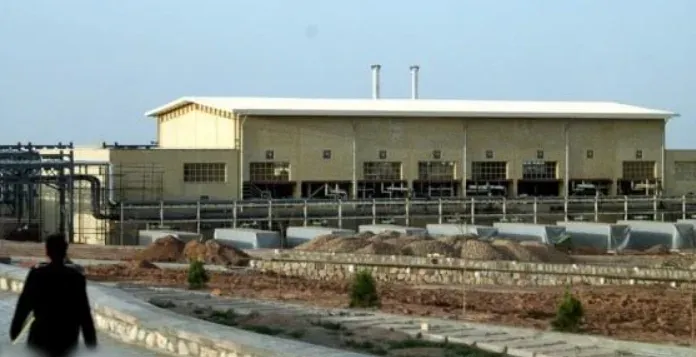
Under the proposed agreement, Iran would be required to remove highly enriched nuclear material from the country, dismantle elements of its nuclear weapons programme, and submit to rigorous inspections designed to verify long-term compliance. Officials noted that implementation details — particularly around the removal of enriched material described as 'very combustible' and 'very volatile' — would be worked out during a technical negotiation period expected to last approximately 60 days after the agreement is signed.
Crucially, Tehran would not receive immediate sanctions relief or economic rewards simply for signing. Instead, economic benefits would be phased in as Iran demonstrates compliance with specific obligations. 'The more that the Iranians perform, the more that they get,' the official said.
The UAE Model as a Possible Template
Administration officials pointed to the United Arab Emirates as a regional example of how civilian nuclear power can coexist without weapons-development infrastructure. 'The Emiratis have a civilian nuclear power programme,' the official noted. 'They generate a lot of electricity through nuclear power, but they don't have the kind of infrastructure that would allow them to build a nuclear bomb.' That model, officials suggested, could serve as a framework for Iran if it fulfils its obligations.
Verification Over Trust
The administration was candid about the mutual distrust underpinning the negotiations. 'I don't think the Iranians trust us, and I don't think the United States trusts the Iranians,' the official acknowledged. Despite this, officials expressed confidence that a robust inspections-and-verification regime — rather than good faith — could make the agreement functional. 'We're happy with the commitment to not build a nuclear weapon. We have to verify that,' the official said.
Iran has reportedly agreed in principle to commit indefinitely to never procuring or developing nuclear weapons — a pledge the administration described as one of the central objectives of the negotiations. Officials argued the phased compliance-and-reward structure would prevent a repeat of past enforcement disputes that have dogged earlier nuclear frameworks with Tehran.
What Comes Next
If signed, the agreement would enter a 60-day technical negotiation phase to resolve implementation specifics. The administration has signalled that the deal could be finalised within days, though the timeline remains contingent on final-stage diplomatic progress. The broader geopolitical stakes — including the impact on regional stability and global non-proliferation norms — ensure that the terms of any final text will face intense international scrutiny.
Point of View
Which has historically been the weakest link in US-Iran agreements. The phased sanctions relief structure is smarter than the JCPOA's front-loaded approach, but 60 days to resolve the logistics of removing 'very volatile' enriched material is an ambitious timeline. The candid admission that neither side trusts the other is, paradoxically, the most credible thing said — and it underscores that this framework lives or dies on the inspections regime, not the diplomatic language.
NationPress
19 Sept 2026
Frequently Asked Questions
What has the Trump administration agreed to regarding Iran's nuclear programme?
The Trump administration has said it is prepared to allow Iran to maintain civilian nuclear power plants, provided Tehran dismantles the infrastructure capable of producing a nuclear weapon and submits to a rigorous inspections regime. The proposed deal could be signed within days.
What would Iran be required to give up under the proposed agreement?
Iran would be required to remove highly enriched nuclear material from the country, dismantle elements of its nuclear weapons programme, and accept long-term international inspections to verify compliance. Tehran has reportedly agreed in principle to never procure or develop nuclear weapons indefinitely.
Will Iran receive sanctions relief immediately after signing?
No. Under the proposed framework, economic benefits would be phased in only as Iran demonstrates compliance with specific obligations, including infrastructure dismantlement and adherence to inspection requirements. Signing the agreement alone would not trigger immediate relief.
What is the 60-day technical negotiation period?
After the agreement is signed, a 60-day window is expected during which technical experts would work out the implementation details — particularly around the removal of enriched nuclear material, which officials described as highly combustible and volatile.
Why has the UAE been cited in the context of the Iran nuclear talks?
Administration officials pointed to the UAE as a regional example of a country that operates civilian nuclear power plants without possessing weapons-development infrastructure. They suggested this model could serve as a template for what Iran's permitted nuclear programme might look like under the proposed deal.