US ties Iran nuclear deal to regional peace, Hezbollah curbs
Synopsis
The Trump administration has signed a nuclear memorandum with Iran — but officials are already framing it as the opening move in a far larger game. Within 60 days, Washington wants Tehran to rein in Hezbollah, cut proxy funding, and enable direct Israel–Lebanon talks. The nuclear deal is the price of entry; regional restructuring is the real ask.
Key Takeaways
The Trump administration signed a memorandum with Iran on 17 June , establishing a 60-day framework to negotiate a final nuclear agreement.
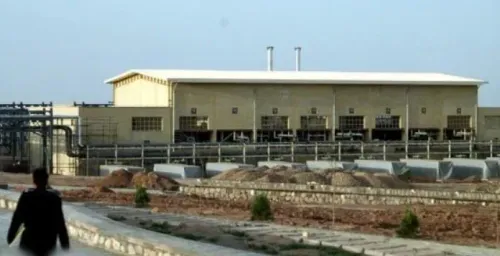
Iran has agreed to destroy its enriched uranium stockpile through downblending under international supervision, which officials called 'a major, major win.' Sanctions relief will be directly tied to Iranian compliance with nuclear commitments, per senior US officials.
Washington has told Tehran that regional progress requires action on Hezbollah , with Israel retaining full rights to retaliate if attacked.
The IAEA , US intelligence, and additional verification measures will monitor Iranian compliance — officials said the approach is 'verification, not trust.' The next round of talks is expected in Switzerland , aimed at converting the interim memorandum into a comprehensive deal.
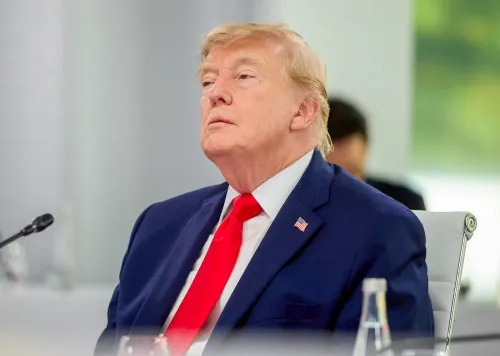
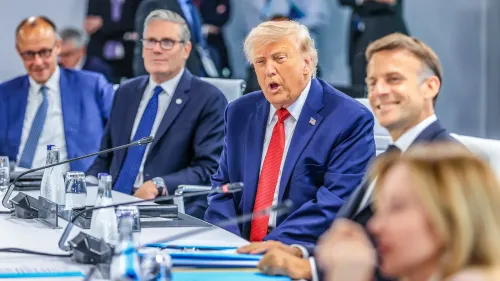
The Trump administration is seeking to leverage its newly signed agreement with Iran as a launchpad for broader Middle East diplomacy, with senior US officials confirming on Wednesday, 17 June that the next phase of talks will address Tehran's funding of proxy groups, stability in Lebanon, and a potential normalisation of Israel–neighbour relations. The announcement came from Evian, where senior officials briefed reporters following President Donald Trump's disclosure of the accord.
What the Memorandum Establishes
According to senior US officials, the memorandum signed with Iran creates an interim framework for negotiating a final agreement within 60 days, while preserving the current status quo during the talks. Sanctions relief, officials stressed, will be directly conditional on Iranian compliance with nuclear commitments. 'We are saying the sanctions relief and the nuclear issues are connected,' a senior US official said. 'To the extent that you perform on the nuclear questions, you'll get the sanctions relief.'
A significant early concession from Tehran, officials said, is Iran's acceptance of the destruction of its enriched uranium stockpile through downblending under international supervision. 'The enriched stockpile will be destroyed by down-blending,' an official said, calling it 'a major, major win for the United States of America.'
Hezbollah and Regional Proxy Groups in Focus
Senior officials made clear that the nuclear agreement is only the opening chapter of a larger diplomatic push. 'After nuclear is gonna be regional stability and funding of proxies,' a senior US official said, outlining the administration's sequencing. Washington has communicated directly to Tehran that any reduction in regional tensions will require concrete action on Hezbollah.
'We were very clear with Iran that this will not be a one-sided peace fire,' the official said. 'They have to get a collar on their dog and Hezbollah, and they've gotta hold them back.' Officials also confirmed that Israel would retain full rights to retaliate if Hezbollah initiates attacks. 'If Hezbollah attacks Israel, Israel's gonna have the full ability' to respond, the official said.
Israel–Lebanon Contacts Seen as Promising
Senior officials described ongoing direct contacts between Israel and Lebanon as a potentially significant development, noting that such discussions could help reduce tensions historically fuelled by Iran-backed groups. 'The hope is that through these discussions, we're able to help create a new angle in the direct Israel–Lebanon discussions,' a senior US official said. This marks a notable diplomatic opening, given that the two countries have no formal diplomatic relations and have been in a technical state of war for decades.
Verification Over Trust
The administration was explicit that the agreement rests on verification mechanisms rather than goodwill. The International Atomic Energy Agency (IAEA) will play a central role in monitoring compliance, supplemented by US intelligence and additional verification measures. 'We're not really in the trusting business,' a senior official said. 'We're gonna see if we can come to a place that leads us to a deal that could work.'
Officials also noted a marked increase in direct communication between US and Iranian representatives during the recent crisis period. 'There's much more direct interaction,' a senior official confirmed.
What Happens Next
The next round of negotiations is expected to take place in Switzerland, where both sides will attempt to convert the preliminary memorandum into a comprehensive agreement. President Trump, officials said, remains prepared to walk away if Iran does not honour its commitments. 'If we're not able to make a great deal, President Trump has been very clear that he has a lot of tools at his disposal,' a senior US official warned. The 60-day window makes the Swiss talks a critical milestone for the entire diplomatic architecture.
Point of View
But the harder bargain — getting Iran to genuinely leash Hezbollah and exit its proxy network — has barely begun. Tehran has historically compartmentalised nuclear concessions from its regional posture, and there is little evidence this time will be different. The 60-day window is tight, the verification architecture is still being assembled, and the administration's own language ('we're not really in the trusting business') signals that Washington is not confident either. If the Swiss talks stall, the 'tools at disposal' language points toward a return to maximum-pressure sanctions — or worse.
NationPress
19 Sept 2026
Frequently Asked Questions
What did the US and Iran agree to in the new nuclear memorandum?
The memorandum establishes a 60-day interim framework for negotiating a final nuclear agreement, during which the current status quo is maintained. Iran has accepted, at minimum, the destruction of its enriched uranium stockpile through downblending under international supervision, with sanctions relief tied directly to nuclear compliance.
Why is the US linking the Iran nuclear deal to Hezbollah and regional proxy groups?
Senior US officials view the nuclear agreement as only the first phase of a broader diplomatic effort. Washington has told Tehran that any reduction in regional tensions requires Iran to rein in Hezbollah and cut funding to proxy groups operating across the Middle East.
What role will the IAEA play in the Iran nuclear agreement?
The International Atomic Energy Agency (IAEA) will serve as the primary monitoring body for Iranian compliance, working alongside US intelligence and additional verification measures. Officials were explicit that the deal is built on verification, not trust.
Where will the next round of US–Iran nuclear talks take place?
The next round of negotiations is expected to be held in Switzerland, where both sides will attempt to translate the preliminary memorandum into a comprehensive final agreement within the 60-day window.
What happens if Iran does not comply with the nuclear memorandum?
President Trump has signalled he is prepared to abandon negotiations if Iran fails to meet its commitments. Officials stated he has 'a lot of tools at his disposal,' widely understood to include a return to maximum-pressure sanctions and other measures.