Trump says US held first-ever direct talks with Hezbollah, group agrees to halt fire
Synopsis
For the first time, a sitting US President says Washington has spoken directly with Hezbollah — a group it still designates as terrorist. Trump claims the Lebanese armed group has agreed to halt fire on Israel, while teasing an Iran nuclear deal ‘over the weekend’ that would let American personnel destroy nuclear material on Iranian soil.
Key Takeaways
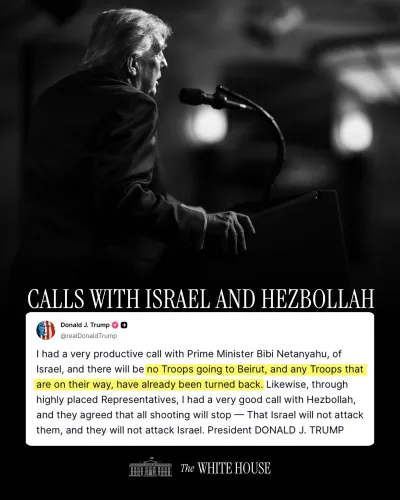
Donald Trump said the US held its first-ever direct talks with Hezbollah , announced from the White House on Wednesday.
Trump claimed Hezbollah had agreed not to fire at Israel , with reciprocal restraint from Israeli forces.
He said a US-Iran nuclear deal ‘could happen over the weekend’, with Tehran barred from ever acquiring a nuclear weapon.
Under the proposed framework, US personnel would ‘go in’ to remove and destroy Iranian nuclear material.
Trump praised PM Benjamin Netanyahu and suggested a deal could pave the way to reopening the Strait of Hormuz .
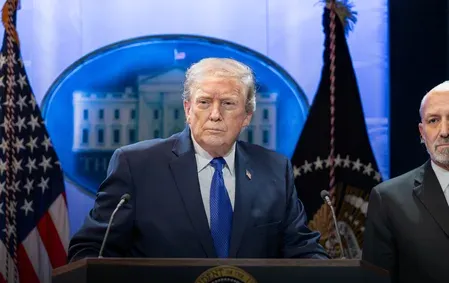
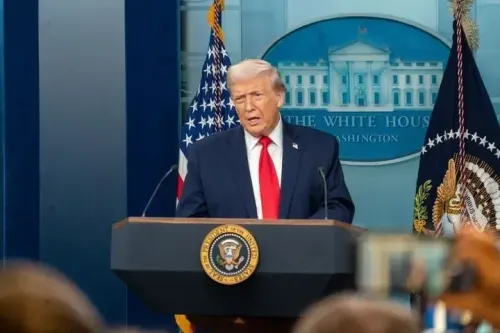
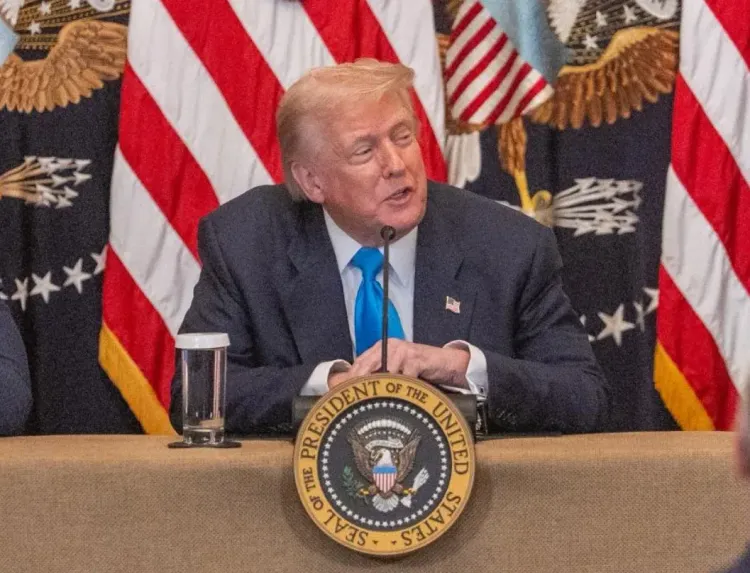
US President Donald Trump on Wednesday said Washington had held its first-ever direct talks with Hezbollah, claiming the Lebanese armed group had agreed to stop firing at Israel as the administration pushes a wider diplomatic reset across the Middle East. Speaking to reporters at the White House, Trump linked the development to parallel negotiations with Iran on its nuclear programme and regional security.
‘We actually spoke with Hezbollah for the first time ever,’ Trump told reporters. ‘They agreed yesterday they're not going to shoot, Israel is not going to shoot. We're just going to see.’
Hezbollah track kept separate from Iran talks
Trump indicated that Washington was deliberately ring-fencing the Hezbollah channel from its broader engagement with Tehran. ‘I'd like to separate it,’ he said. ‘I'd like to have it as a separate thing because it is separate.’
The acknowledgement, if confirmed by other parties, would mark a significant shift. The United States has long designated Hezbollah a foreign terrorist organisation and has historically avoided direct contact, routing messages through Lebanese, Qatari or European intermediaries.
Iran deal ‘could happen over the weekend’
On the parallel Iran track, Trump struck an unusually optimistic tone, suggesting an agreement could be sealed within days. ‘I hear the negotiation itself has gone very well, actually. Very well,’ he said, adding, ‘If it happens and it might not happen, you know, who knows? But if it happens, it could happen like over the weekend.’
The President reiterated that the red line for Washington was preventing Tehran from acquiring a nuclear weapon. ‘We will not have a nuclear weapon or bomb. We will not develop one, we will not buy one,’ he said, adding that Iran would ‘never, ever have a nuclear weapon’ under the proposed framework.
US role in destroying nuclear material
Trump also disclosed what he described as an understanding allowing American personnel to participate in the removal and destruction of nuclear-related material at Iranian facilities. ‘As of this moment, it's agreed that we will go in with them, we will get it, and we will destroy it. It will be destroyed,’ he said.
The President did not specify which sites, what timeline or which international agency, if any, would verify the process — gaps that arms-control experts have flagged in past US-Iran frameworks.
Praise for Netanyahu, claims of military leverage
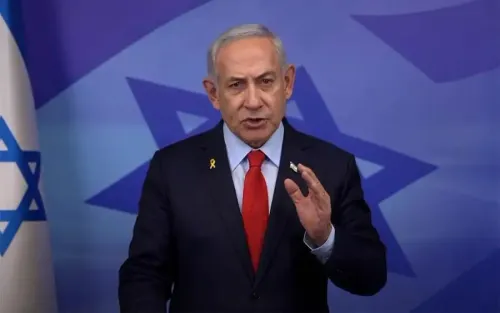
Trump credited Israeli Prime Minister Benjamin Netanyahu as ‘a great partner’ and argued that joint US-Israeli pressure had reshaped the regional calculus. ‘Israel, hey, look, they've been a great partner. Bibi Netanyahu has been for me a great partner,’ he said.
Without offering specifics, he claimed recent US military action against Iranian targets had forced Tehran to the table and could pave the way for the reopening of the Strait of Hormuz, one of the world's most critical energy chokepoints.
What to watch next
Neither Hezbollah nor the Iranian foreign ministry has publicly confirmed Trump's characterisation of the talks. The coming days are expected to test whether the reported ceasefire understanding holds along the Israel-Lebanon frontier and whether a formal Iran agreement materialises on the timeline Trump suggested.
Point of View
Direct US-Hezbollah contact is a rupture from four decades of declared policy — and Trump announcing it casually at a press gaggle, rather than through a formal channel, is itself the story. The ‘deal over the weekend’ framing on Iran echoes the same compressed-timeline rhetoric that preceded earlier stalled frameworks; verification, inspections and sequencing remain unaddressed. The claim that US personnel will physically destroy Iranian nuclear material on Iranian soil would be unprecedented and is the single line in this announcement most likely to face pushback from Tehran. Until Hezbollah and Iran respond on the record, this is one side of a negotiation being broadcast as a result.
NationPress
21 Oct 2026
Frequently Asked Questions
What did Trump say about US talks with Hezbollah?
Trump said the United States had spoken directly with Hezbollah for the first time ever, and that the group had agreed not to fire at Israel. He made the remarks to reporters at the White House on Wednesday while discussing broader Middle East diplomacy.
Why is direct US-Hezbollah contact significant?
The United States has long designated Hezbollah a foreign terrorist organisation and has historically avoided direct engagement, routing messages through intermediaries. A confirmed direct channel would mark a substantial shift in declared US policy toward the Lebanese armed group.
When could a US-Iran nuclear deal be reached?
Trump suggested an agreement ‘could happen over the weekend’, while cautioning that it might not happen at all. He said negotiations were progressing well and that the core objective was preventing Iran from ever obtaining a nuclear weapon.
What role would the US play in destroying Iran's nuclear material?
Trump said it had been agreed that US personnel would ‘go in’ with the Iranians to remove and destroy nuclear-related material at Iranian facilities. He did not specify the sites, timeline, or any third-party verification mechanism.
How does this connect to the Strait of Hormuz?
Trump argued that a successful Iran agreement would pave the way for the reopening of the Strait of Hormuz, a critical global energy shipping corridor. He linked recent US military action to increased pressure on Tehran to negotiate.