Trump Says No US Troops to Beirut, Claims Hezbollah Ceasefire
Synopsis
President Trump announced on June 1, 2026, that he called both PM Netanyahu and Hezbollah, declaring no US troops would go to Beirut and that all shooting would stop — an extraordinary claim of direct presidential contact with a US-designated terrorist group.
Key Takeaways
President Trump declared on June 1, 2026 that he held calls with both PM Benjamin Netanyahu of Israel and with Hezbollah .
Trump stated there will be no US troops deployed to Beirut , ruling out an American ground presence in Lebanon .
Hezbollah allegedly agreed that 'all shooting will stop' , according to Trump's own quoted words in the White House post.
A direct US presidential call with Hezbollah — a group designated a terrorist organisation by the United States — would be without known precedent in American diplomatic history.
No corroborating statements from Israel , Hezbollah , or the Lebanese government were included in the announcement.
The development has direct relevance for India , which has diaspora in the region and troops serving in UNIFIL in Lebanon .
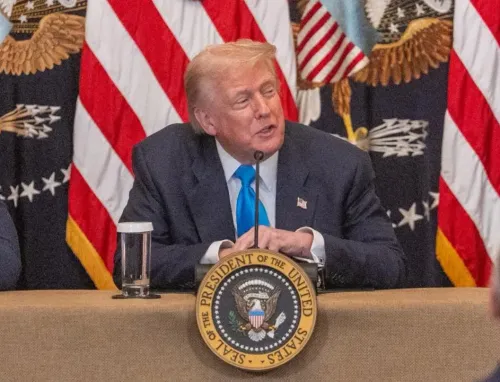
The White House announced on Monday, June 1, 2026, that President Donald J. Trump held separate calls with Israeli Prime Minister Benjamin Netanyahu and with Hezbollah, declaring that no American troops would be deployed to Beirut and that all shooting would cease following the conversations.
Context
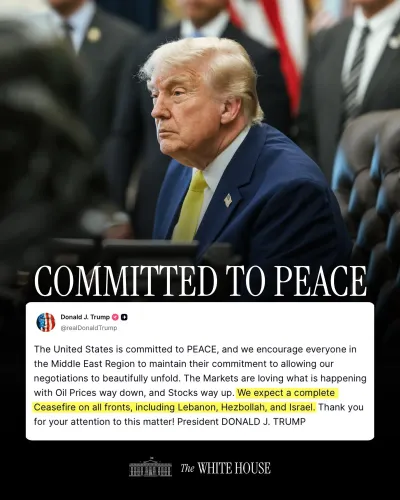
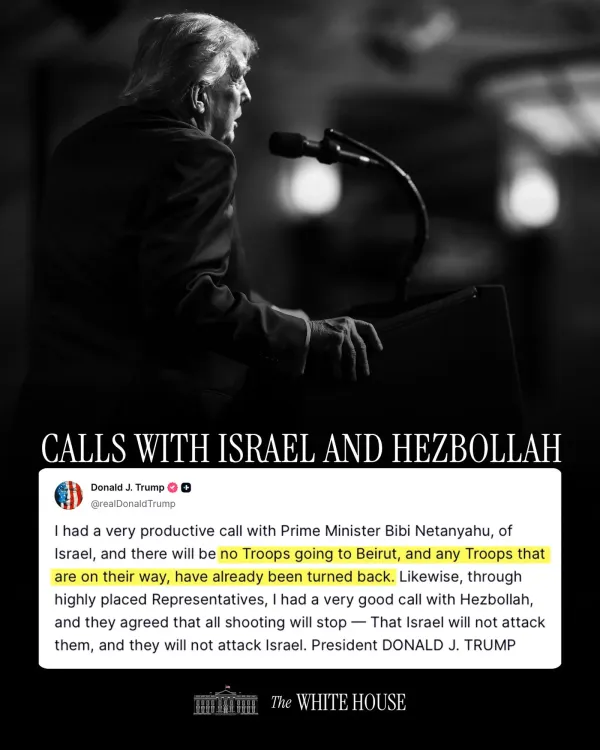
In a statement shared via the official White House account on X, Trump quoted himself directly: 'I had a very productive call with Prime Minister Bibi Netanyahu, of Israel, and there will be no Troops going to Beirut... I had a very good call with Hezbollah, and they agreed that all shooting will stop.' The announcement marks a significant, if extraordinary, claim — a sitting US president asserting direct communication with Hezbollah, a group the United States has designated a terrorist organisation.
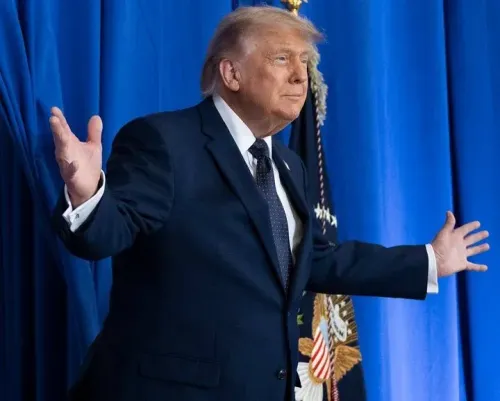
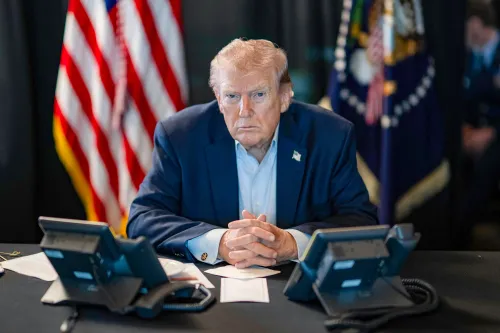
The post was accompanied by an image and attributed explicitly to President Donald J. Trump, with the American flag emoji signalling an official presidential statement. No further details of the call's format, intermediaries, or verification mechanism were provided in the post.
Policy Backdrop
Hezbollah, the Iran-backed Lebanese militant and political group, has been involved in repeated border conflicts with Israel since the 1980s. The 2006 Israel-Hezbollah war was a defining moment that shaped subsequent US policy: Washington consistently backed Israel's right to self-defence while resisting calls for a new American ground presence in Lebanon.
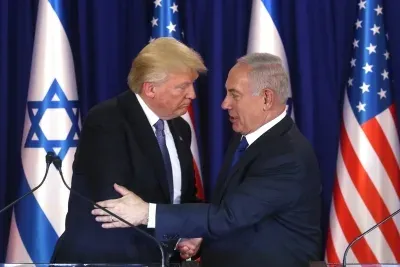
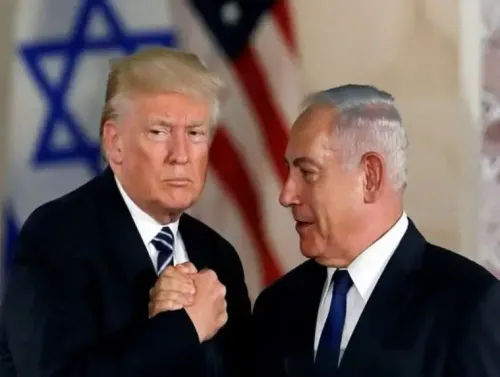
Trump's first term (2017–2021) was marked by the landmark Abraham Accords, which normalised ties between Israel and several Arab states through direct US-brokered diplomacy. That period also saw close security coordination between Washington and Jerusalem, with Prime Minister Netanyahu frequently cited as a key interlocutor. Trump's public announcement style — declaring de-escalation outcomes via direct leader-to-leader calls — is consistent with his established diplomatic approach.
The claim of a direct presidential call with Hezbollah is, however, without known precedent in US diplomatic history. No prior US administration has publicly acknowledged direct executive-level communication with the group, making this assertion the most striking element of the post.
Stakeholders and Impact
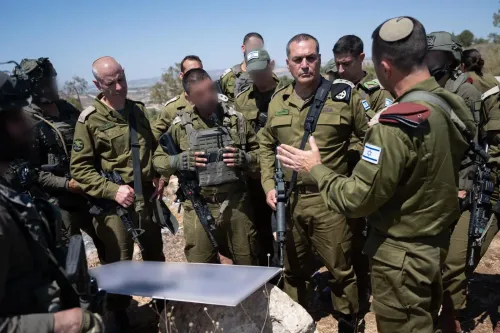
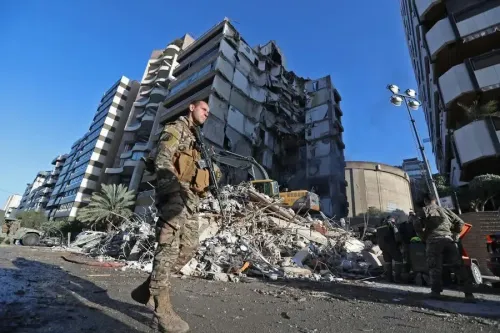
Israeli defence forces and Lebanese civilians in the border region stand as the most immediate stakeholders in any ceasefire arrangement. Sustained hostilities along the Israel-Lebanon frontier have historically displaced thousands and caused significant civilian casualties on both sides.
For India, which maintains a large diaspora in the Gulf and Lebanon and has troops serving in the United Nations Interim Force in Lebanon (UNIFIL), any de-escalation in the Levant carries direct strategic and humanitarian relevance. Regional stability also affects global oil prices, which have a direct bearing on India's import bill and macroeconomic outlook.
What's Next
Analysts and governments will watch for follow-up statements from the US State Department, the Israeli security cabinet, and Lebanese authorities to assess whether any formal ceasefire mechanism is being implemented. The absence of corroborating statements from any of the parties named — including Hezbollah itself — means the durability and verifiability of the announced agreement remain open questions.
Should the ceasefire hold, it would represent a significant, if unconventional, diplomatic achievement for the Trump administration. Renewed incidents along the frontier, or silence from the other parties, would raise immediate questions about the basis and scope of the agreement described in the White House post.
Point of View
The claim of direct presidential contact with Hezbollah is categorically different from prior US diplomatic practice and, if true, would represent a fundamental shift in how Washington engages designated terrorist organisations. The absence of any corroborating statement from Israel, Lebanon, or Hezbollah itself leaves the announcement in an unusual evidentiary gap. For observers tracking the Israel-Lebanon frontier, the critical test is not the announcement but what follows on the ground in the hours and days ahead.
NationPress
18 Oct 2026
Frequently Asked Questions
Did Trump really call Hezbollah directly?
According to a statement posted by the official White House account on June 1, 2026, President Trump claimed he 'had a very good call with Hezbollah.' No details about intermediaries or the format of the communication were provided, and no corroborating statement from Hezbollah has been published. A direct US presidential call with Hezbollah would be unprecedented, as the group is designated a terrorist organisation by the United States.
Why are US troops being considered for Beirut?
Trump's statement does not specify why a troop deployment to Beirut was under consideration. His announcement was that 'there will be no Troops going to Beirut,' suggesting the option had been on the table amid ongoing hostilities between Israel and Hezbollah along the Lebanon border.
What is Hezbollah and why does it matter for India?
Hezbollah is an Iran-backed Lebanese militant and political group designated a terrorist organisation by the United States. It matters for India because India has a significant diaspora in Lebanon and the Gulf region, and Indian troops serve in the UN peacekeeping force UNIFIL in Lebanon. Regional instability also affects global oil prices, which directly impact India's economy.
What are the Abraham Accords and how does this relate?
The Abraham Accords, signed in 2020 during Trump's first term, normalised diplomatic relations between Israel and several Arab states through direct US-brokered diplomacy. The current announcement continues Trump's pattern of using direct leader-to-leader contact to manage Israel-related conflicts, though contact with Hezbollah goes significantly further than the Abraham Accords framework.
What happens next after Trump's ceasefire announcement?
Observers will watch for follow-up statements from the US State Department, the Israeli security cabinet, and Lebanese authorities. Signs of implementation — or renewed incidents along the Israel-Lebanon frontier — will determine whether the ceasefire holds. Silence from the named parties would raise questions about the basis of the agreement.