Trump confirms US held direct talks with Hezbollah to ease Lebanon tensions
Synopsis
In a striking departure from decades of US policy, Donald Trump openly confirmed on 5 June that Washington has held direct talks with Hezbollah — a group the US itself designates as a terrorist organisation. Trump said Hezbollah ‘called us’ to discuss stopping, and claimed progress has been made. It is a diplomatic signal that few saw coming.
Key Takeaways
President Donald Trump confirmed on 5 June that the US has held direct communications with Hezbollah .
Trump said Hezbollah ‘called us and said, how about stopping,’ and claimed ‘progress has been made.’ He confirmed he discussed the Lebanon issue with Israeli PM Benjamin Netanyahu as well as with Hezbollah directly.
Trump linked Lebanon’s instability to broader Iran -related regional tensions, describing them as ‘interconnected.’ Previous US administrations had consistently avoided publicly acknowledging any direct contact with Hezbollah, which remains a US-designated foreign terrorist organisation .
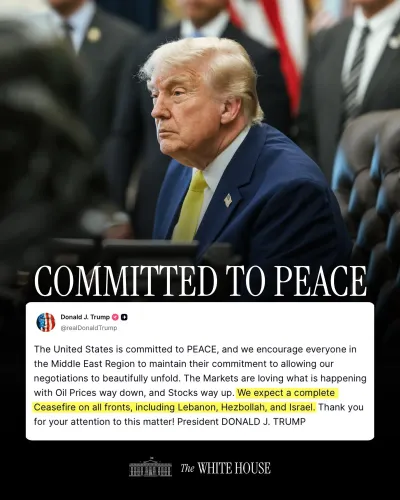
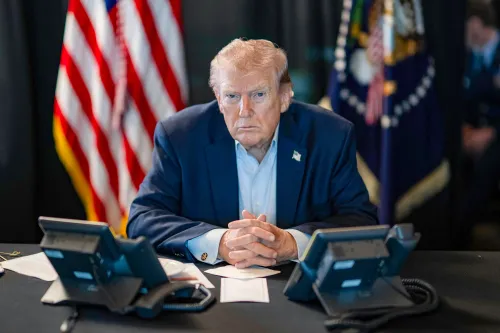
US President Donald Trump on Thursday, 5 June publicly confirmed that the United States has held direct communications with Hezbollah, the Iran-backed Lebanese militant group designated by Washington as a foreign terrorist organisation, as part of efforts to stabilise Lebanon and reduce broader Middle East tensions. The admission marks one of the most explicit acknowledgements by any sitting US president of direct engagement with the group.
What Trump Said
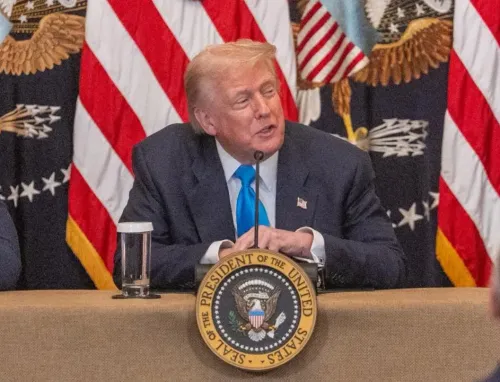
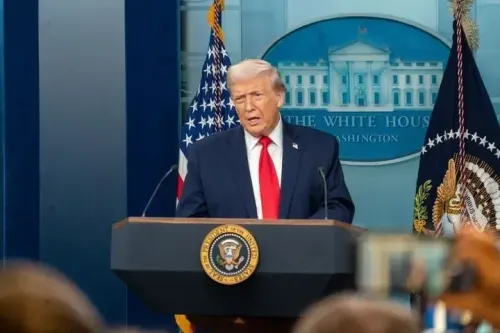
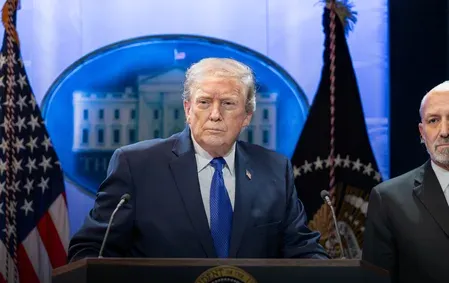
Speaking to reporters at the White House, Trump pushed back on reports that Hezbollah had rejected a US-backed peace proposal for Lebanon. “Yeah, what does reject mean? They didn’t reject,” he said.
Trump then disclosed the nature of the contact directly: “Look, they’re looking. I think Hezbollah — I will tell you, they called us and they said, how about stopping?” he said. “And I think you’re going to see things happen over there.”
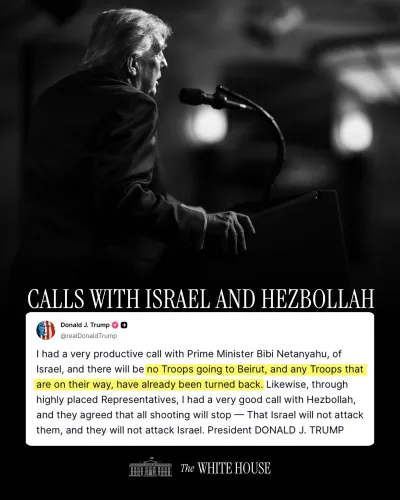
He also confirmed that the Lebanon issue was raised in conversations with Israeli Prime Minister Benjamin Netanyahu. “I spoke to Bibi Netanyahu about that,” Trump said. “And I actually spoke to Hezbollah about it. I think progress has been made.”
Lebanon in Focus
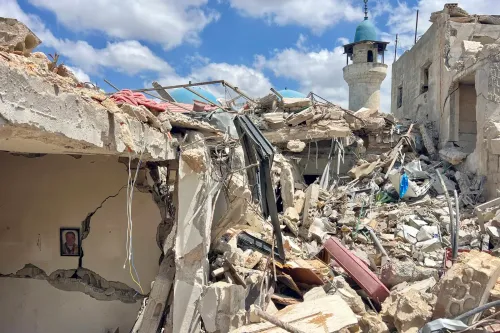
Trump described Lebanon as a country that has endured decades of instability, expressing hope for a political settlement. “It would be really nice if Lebanon could have some peace,” he said. “Lebanon’s been under attack for so many years and always like an underdog.”
He also acknowledged the deep-rooted nature of the conflict: “That’s been going on for a long time — for years and years, 48 years. I said, that’s a long time. Not that easy.”
The Iran Connection
Trump linked the Lebanon file directly to wider US efforts involving Iran, describing the two as interconnected. “That’s been, like, a little bit of a different world, but it’s interconnected with Iran,” he said. The remarks come amid ongoing US diplomatic activity aimed at curbing Iranian influence across the region.
Hezbollah remains one of the most powerful political and military actors in Lebanon and has been central to multiple conflicts involving Israel over several decades. It operates with significant backing from Tehran, making any US engagement with the group diplomatically sensitive.
A Departure from Past US Policy
Previous US administrations have consistently avoided publicly acknowledging any direct contacts with Hezbollah, given its terrorist designation under US law. Trump’s open admission on Thursday represents a notable departure from that posture, reflecting his administration’s broader willingness to engage unconventionally with adversarial actors in pursuit of deal-making. Notably, this is not the first time Trump has signalled openness to back-channel diplomacy in the region — his administration has similarly pursued direct engagement with Iran over its nuclear programme.
What Comes Next
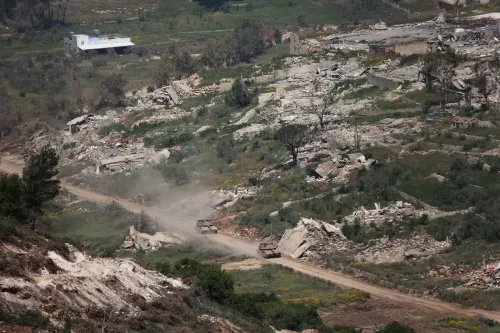
The White House has not provided further details on the format, frequency, or outcomes of the reported contacts with Hezbollah. Regional observers will be watching closely for any concrete ceasefire or political framework that may emerge from these engagements, particularly given Lebanon’s fragile political situation and the ongoing Israeli military operations in the area.
Point of View
And public acknowledgement of talks, however informal, sets a precedent. What is missing from Trump’s account is any detail on what was actually discussed, who conducted the talks, and whether Israel — which has fought multiple wars with Hezbollah — was fully briefed before or after. The claim of ‘progress’ without a verifiable framework risks being another headline without a follow-through.
NationPress
21 Oct 2026
Frequently Asked Questions
Did the US really hold direct talks with Hezbollah?
Yes, according to President Donald Trump himself. Speaking at the White House on 5 June, Trump confirmed that Hezbollah had contacted the US and that direct communication had taken place as part of efforts to reduce tensions in Lebanon. He said ‘progress has been made.’
Why is this significant?
The US designates Hezbollah as a foreign terrorist organisation, and previous administrations had consistently avoided publicly acknowledging any direct contact with the group. Trump’s open admission marks a clear departure from that long-standing policy posture.
What did Trump say about Lebanon?
Trump described Lebanon as a country that has suffered instability for decades, saying it had ‘been under attack for so many years.’ He expressed hope for a political settlement, noting the conflict had persisted for approximately 48 years.
How does Iran factor into the Lebanon talks?
Trump directly linked the Lebanon issue to broader US efforts involving Iran, describing the two as ‘interconnected.’ Hezbollah is widely regarded as Iran’s most powerful regional proxy, making any Lebanon settlement inseparable from the Iran question.
What happens next in the Lebanon negotiations?
The White House has not disclosed the format or outcomes of the contacts with Hezbollah. Regional observers are watching for any concrete ceasefire proposal or political framework, particularly given Lebanon’s ongoing instability and active Israeli military operations in the area.