Trump tells Israel to use 'softer touch' in Lebanon amid Hezbollah row
Synopsis
At the G7 summit close in Évian, Trump broke openly with Netanyahu on Lebanon — telling Israel to ease up on Hezbollah and expressing rare sympathy for Lebanese civilians. With Lebanon’s leadership headed to Washington and the Iran deal freshly signed, the US is signalling that Hezbollah’s future is the next item on its Middle East agenda.
Key Takeaways
President Trump publicly urged Israel to adopt a ‘softer touch’ against Hezbollah in Lebanon at the G7 summit in Évian, France on 17 June .
Trump said Israel ‘could do a much better job with Hezbollah’ despite praising its role in the recent conflict with Iran .
He described Lebanon as having been ‘living in hell’ for 50–60 years and said it deserves a chance to recover.
Lebanon’s president or prime minister is expected to visit Washington within ‘the next week or two.’ Senior US officials said future talks will address Hezbollah and Iran-backed proxy funding as part of post-deal regional diplomacy.
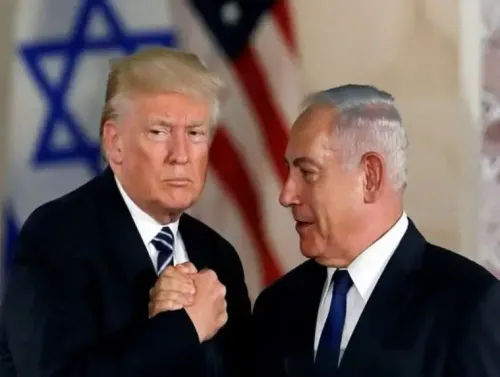
Trump maintained his relationship with Prime Minister Benjamin Netanyahu remains strong despite the public disagreement.
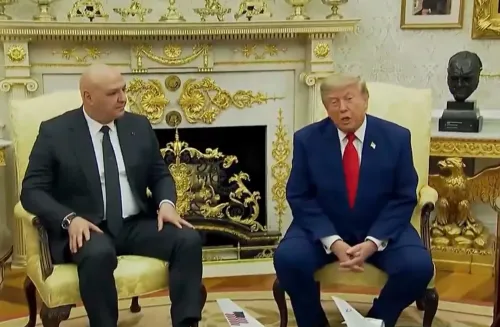
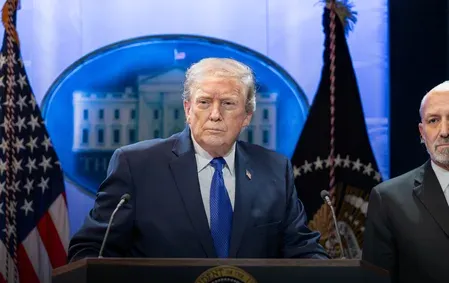
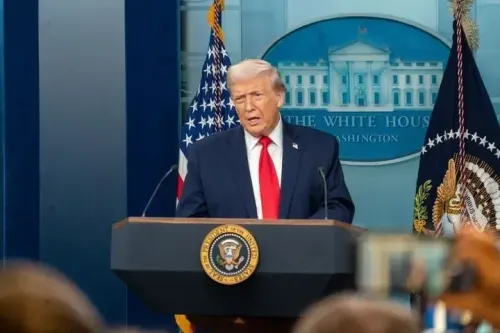
President Donald Trump on Wednesday, 17 June publicly urged Israel to exercise greater restraint in Lebanon, saying that while he backs Israel's security needs, its military responses to Hezbollah have at times been excessive. The remarks, made at a press conference closing the G7 summit in Évian, France, mark one of Trump's most direct public criticisms of Israeli military tactics since his return to office.
What Trump Said
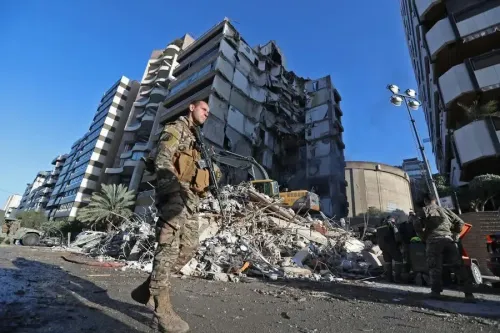
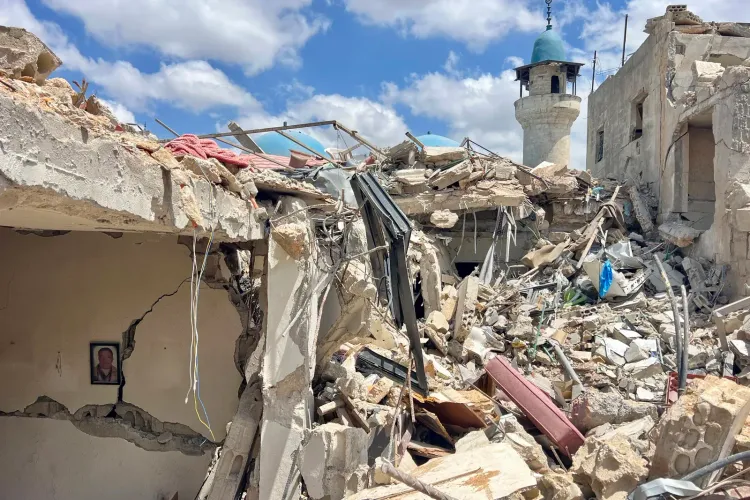
Addressing his relationship with Israeli Prime Minister Benjamin Netanyahu, Trump said: “We have a little dispute over Lebanon. I say, you can do a little softer touch, Bibi. You don’t have to knock down a building every time somebody walks into it that’s from Hezbollah.”
While praising Israel’s performance during the recent conflict with Iran — “They were terrific” — Trump was pointed on the Lebanon front: “But they could do a much better job with Hezbollah. On that, I don’t think they’re doing well, and I feel very bad for Lebanon.”
Trump’s Case for Lebanon
Trump invoked Lebanon’s history to make a broader humanitarian argument, describing it as a country that once produced “professors, doctors, lawyers” and an “incredible culture.” He said the country had been “trashed” and “living in hell” for the past “50, 60 years,” and deserved a chance to recover. The remarks signal a degree of sympathy for Lebanese civilian suffering that has been notably absent from prior US framing of the Hezbollah conflict.
Iran Deal as the Backdrop
Trump framed Lebanon as a secondary but unresolved element of a broader regional agenda anchored by the newly announced agreement with Iran. “The Lebanon peace is something we’ll have to work on a little bit,” he said. “It’s a very small piece of the puzzle, actually, but it still makes a lot of noise. The big deal is the Iran deal. But they have Hezbollah, and we’ve got to get that done one way or the other.”
Senior US officials told reporters after the press conference that Washington views Hezbollah and other Iran-backed groups as central to the next phase of regional diplomacy, with future discussions expected to focus on “regional stability and funding of proxies.”
Lebanon Leadership Invited to Washington
Trump revealed that Lebanon’s leadership — he referred to both “president” and “prime minister” — would visit Washington “over the next week or two” for discussions. He also pointed to Syria’s new leadership as a potential regional partner, noting that Hezbollah is “an enemy of his” — a reference to Syria’s current government.
This comes amid broader US efforts to convert the Iran nuclear agreement into a wider regional settlement that reduces proxy tensions across the Middle East. Notably, Trump reiterated that his personal partnership with Netanyahu remains strong: “We’ve had an amazing partnership. He’s been an amazing prime minister.”
What Comes Next
The diplomatic calendar is set to accelerate, with Lebanese leadership expected in Washington imminently and US officials signalling that Hezbollah’s role will feature prominently in post-Iran-deal negotiations. Whether Israel adjusts its operational posture in Lebanon in response to Trump’s public pressure remains to be seen.
Point of View
’ which suggests the US sees Israeli restraint there as a negotiating chip in a larger regional architecture, not a principled stance. The invitation to Lebanese leadership within weeks compresses the diplomatic timeline considerably. What mainstream coverage underplays is the Syria angle — Trump’s reference to Syria’s new government as a natural Hezbollah adversary hints at a realignment strategy that goes beyond bilateral US-Israel optics.
NationPress
22 Sept 2026
Frequently Asked Questions
What did Trump say about Israel and Lebanon at the G7 summit?
Trump urged Israel to adopt a ‘softer touch’ in Lebanon, saying it did not need to demolish buildings every time a Hezbollah member entered them. He made the remarks at a press conference on 17 June at the close of the G7 summit in Évian, France , calling it one of the remaining disputes in his otherwise strong relationship with Prime Minister Netanyahu.
How does the Iran deal connect to the Lebanon situation?
Trump described Lebanon as a secondary but unresolved element of the broader regional agenda anchored by the newly announced Iran agreement. Senior US officials said post-deal diplomacy will focus on Hezbollah and other Iran-backed proxy groups, framing Lebanon as the next phase of Middle East negotiations.
Is the US-Israel relationship affected by Trump’s criticism?
Trump was careful to frame the disagreement as limited, reiterating that he and Netanyahu share an ‘amazing partnership.’ The criticism was directed specifically at Israel’s military tactics against Hezbollah in Lebanon, not at the broader bilateral relationship or Israel’s role in the Iran conflict, which Trump praised.
When will Lebanese leaders visit Washington?
Trump said Lebanon’s president or prime minister would visit Washington ‘over the next week or two’ from the date of his remarks on 17 June 2025. The visit is expected to cover Lebanon’s stability and the Hezbollah question as part of post-Iran-deal regional diplomacy.
What role could Syria play in addressing Hezbollah?
Trump suggested Syria’s new leadership could be a regional partner in countering Hezbollah, noting that Hezbollah is ‘an enemy’ of Syria’s current government. The remark hints at a broader US strategy of building a regional coalition against Iran-backed groups following the nuclear agreement.