Netanyahu: We Are Reshaping the Middle East with Trump's Help
Synopsis
Israeli PM Netanyahu declared Israel is 'changing the face of the Middle East' with Trump's strong military and economic pressure on Iran. Simultaneously, the IDF struck Hezbollah targets in Lebanon and exposed ambulances being used to smuggle weapons — a brazen violation of international humanitarian law.
Key Takeaways
Israeli PM Benjamin Netanyahu declared on Friday, April 25, 2025 that Israel is reshaping the Middle East in coordination with US President Donald Trump .
Trump is applying both economic and military pressure on Iran , with Netanyahu confirming full US-Israel operational cooperation.
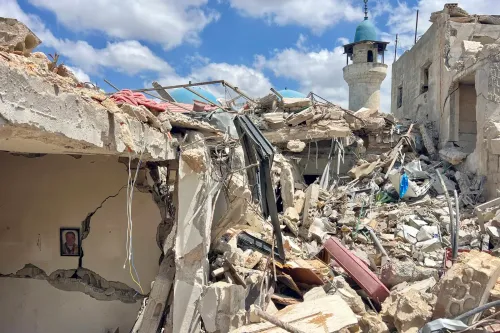
The IDF struck Hezbollah military structures in Deir Aames, Lebanon after rockets were fired at the Israeli town of Shtula .
Hezbollah was found using ambulances to conceal weapons including explosive devices, mortar shells, and grenades in southern Lebanon , violating international humanitarian law.
Defence Minister Israel Katz said he is awaiting a US green light to strike Iran's energy infrastructure and target the Khamenei leadership .
Netanyahu stated that a historic Israel-Lebanon peace process has begun, but warned that Hezbollah is actively working to undermine it.
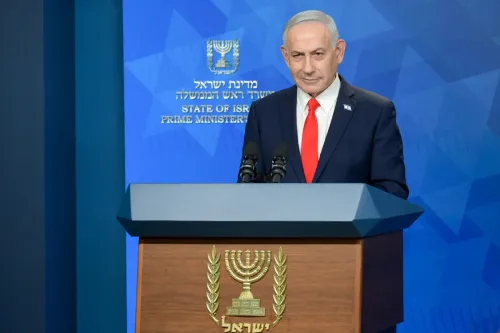
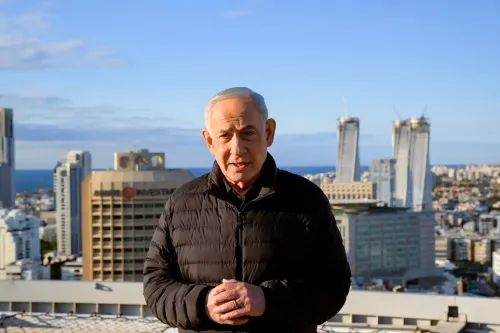
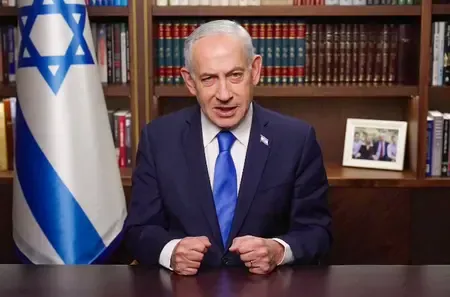
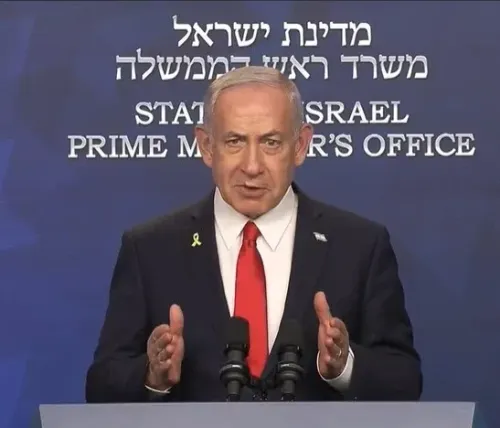
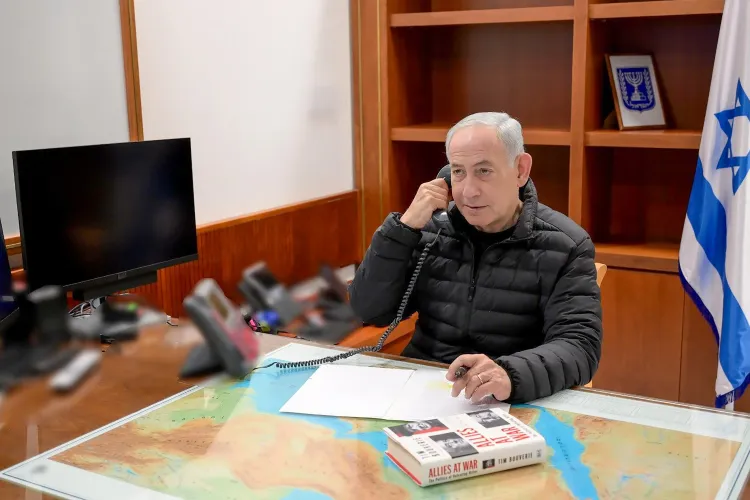
Israeli Prime Minister Benjamin Netanyahu declared on Friday, April 25 that Israel is actively reshaping the Middle East, citing close coordination with US President Donald Trump who is applying intense economic and military pressure on Iran. Netanyahu made the remarks in a video message shared on the official X handle of the Israeli Prime Minister's Office, outlining a sweeping regional strategy that includes a push for peace with Lebanon and continued military operations against Hezbollah.
Netanyahu's Bold Declaration on Regional Transformation
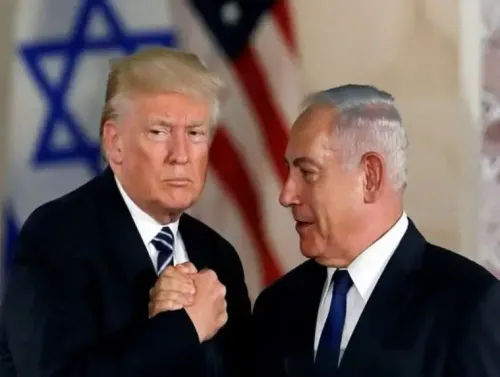
"I promised you that we would change the face of the Middle East, and that is exactly what we are doing," Netanyahu said in the video address. He confirmed that he had held an "excellent conversation" with President Trump, describing the two leaders as operating in "full cooperation."
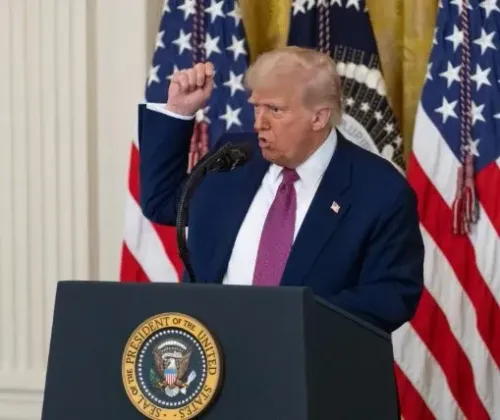
Trump is reportedly deploying both economic sanctions and military posturing to squeeze Iran, as part of a coordinated strategy between Washington and Jerusalem. This represents a significant escalation in US-Israel strategic alignment under the current Trump administration.
Netanyahu also addressed the situation in Lebanon, stating, "We have begun a process to achieve a historic peace between Israel and Lebanon, and it is clear to us that Hezbollah is trying to sabotage this." He added that Israel is maintaining "full freedom of action" against any threat, including emerging ones.
IDF Strikes and Hezbollah Violations
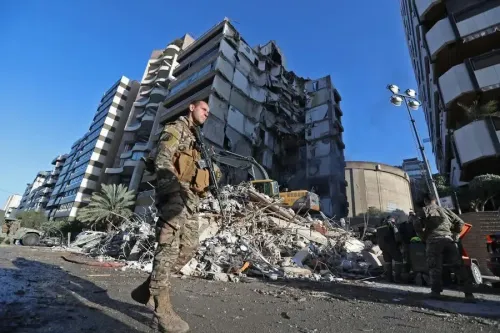
The Israel Defence Forces (IDF) confirmed strikes on Hezbollah military structures in the area of Deir Aames, from which rockets were launched towards Shtula on Friday. Netanyahu confirmed the operations, stating, "We attacked yesterday, and we attacked today. We are determined to restore security to the residents of the North."
The IDF also reported two separate incidents in which Hezbollah launched rockets and an explosive unmanned aerial vehicle (UAV) towards IDF soldiers operating south of the Forward Defence Line in southern Lebanon. The military labeled these attacks "blatant violations of the ceasefire understandings."
In a striking disclosure, the IDF stated that Hezbollah has been using ambulances and medical teams as cover for transporting weapons and operatives — a move that violates the special protections afforded to medical facilities under international law. During searches in southern Lebanon, an ambulance used by Hezbollah was found concealing explosive devices, mortar shells, magazines, and a grenade.
Israel's Defence Minister Eyes Iran's Energy Infrastructure
On Thursday, Israeli Defence Minister Israel Katz made an explosive statement, saying he was awaiting a "green light" from the United States to "complete the elimination of the Khamenei dynasty" — referring to Iranian Supreme Leader Ali Khamenei and his successors. According to The Times of Israel, Katz also called for destroying Iran's central energy and electricity facilities and crushing its national economic infrastructure.
This represents one of the most direct and explicit threats by an Israeli cabinet minister against the Iranian leadership structure in recent memory. It signals that Israel may be preparing for a broader confrontation with Iran, contingent on American authorization.
Broader Strategic Context: What This Means for the Region
This comes amid a volatile period in Middle East geopolitics, with Iran's nuclear program under renewed international scrutiny and Hezbollah's military capacity increasingly under pressure following months of conflict. The October 7, 2023 Hamas attacks on Israel fundamentally altered the regional security calculus, triggering a multi-front conflict that has drawn in Iran-backed proxies across Lebanon, Yemen, Syria, and Iraq.
Netanyahu's framing of the current moment as a "historic" opportunity for peace with Lebanon is notable — it suggests Israel is pursuing a dual-track strategy of military pressure and diplomatic overtures simultaneously. Critics, however, argue that continued strikes make any peace process fragile and that Hezbollah's entrenchment in Lebanese politics makes a formal agreement deeply complicated.
The use of ambulances to transport weapons — if confirmed — could have significant diplomatic consequences, potentially weakening Hezbollah's standing with international humanitarian organizations and neutral states that have so far refrained from designating it a terrorist organization.
What to Watch Next
All eyes are now on whether the United States will greenlight further Israeli military action against Iran's infrastructure, and whether the ongoing Israel-Lebanon diplomatic track can survive continued Hezbollah provocations. Upcoming weeks could prove decisive in determining whether the region moves toward de-escalation or a wider confrontation. Analysts will closely monitor any signals from Washington regarding the scope of its military and diplomatic authorization to Israel.
Point of View
Backed by a hawkish Trump administration, is operating with unprecedented latitude. The revelation that Hezbollah is using ambulances to smuggle weapons is a calculated disclosure designed to erode international sympathy for the group and justify continued military operations. What the mainstream narrative misses is the dangerous dual-track tension: Israel is simultaneously pursuing peace with Lebanon while bombing it — a contradiction that could collapse any diplomatic progress. The real question is whether Washington will authorize strikes on Iranian energy infrastructure, a move that would fundamentally alter global oil markets and draw in far more actors than just Iran and Israel.
NationPress
16 Sept 2026
Frequently Asked Questions
What did Netanyahu say about changing the Middle East?
Israeli Prime Minister Benjamin Netanyahu said in a Friday video message that Israel is actively 'changing the face of the Middle East,' citing close cooperation with US President Donald Trump who is applying strong economic and military pressure on Iran. He also stated that Israel has begun a process toward a historic peace with Lebanon.
Why is Israel striking Hezbollah in Lebanon in April 2025?
The IDF struck Hezbollah military structures in the Deir Aames area after rockets were launched from there toward the Israeli town of Shtula on Friday. The IDF also reported two additional incidents involving rocket and drone attacks by Hezbollah, calling them blatant violations of ceasefire understandings.
Did Hezbollah use ambulances to smuggle weapons?
Yes, the IDF disclosed that during searches in southern Lebanon, an ambulance used by Hezbollah was found concealing weapons including explosive devices, mortar shells, magazines, and a grenade. The IDF stated this violates the special protections granted to medical facilities under international law.
What did Israeli Defence Minister Katz say about Iran?
Defence Minister Israel Katz stated he was awaiting a US green light to 'complete the elimination of the Khamenei dynasty' and to destroy Iran's central energy and electricity facilities. The remarks were reported by The Times of Israel on Thursday.
Is there a peace deal between Israel and Lebanon in 2025?
Netanyahu announced that Israel has begun a process toward a 'historic peace' with Lebanon, but said Hezbollah is actively trying to sabotage it. The peace process remains fragile amid ongoing military exchanges between the IDF and Hezbollah forces in southern Lebanon.