Netanyahu Orders Major IDF Strikes on Hezbollah Targets in Lebanon
Synopsis
Israeli PM Netanyahu ordered major IDF strikes on Hezbollah targets in Lebanon on April 26, citing Hezbollah's attempts to derail a historic Israel-Lebanon peace process. The IDF destroyed Radwan Force buildings, anti-tank missile stockpiles, and intercepted an aerial threat — all while Netanyahu confirmed full coordination with US President Trump on Iran pressure.
Key Takeaways
Prime Minister Benjamin Netanyahu ordered the Israel Defense Forces to intensify strikes against Hezbollah targets in Lebanon on April 26, 2025 .
The IDF's 146th Division discovered a large stockpile of Hezbollah anti-tank missiles in southern Lebanon , indicating continued rearmament in violation of ceasefire terms.
Israeli forces struck buildings used by Hezbollah's Radwan Force and a combat equipment warehouse south of the forward defence line.
The Israeli Air Force intercepted a suspicious aerial target launched from Lebanon toward northern Israel after alerts sounded in multiple areas.
Netanyahu confirmed a productive call with US President Donald Trump , who is applying strong economic and military pressure on Iran , Hezbollah's primary backer.
Netanyahu stated that a historic Israel-Lebanon peace process is underway but accused Hezbollah of actively attempting to sabotage diplomatic efforts.
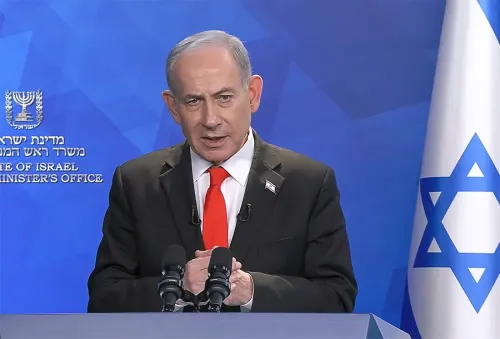
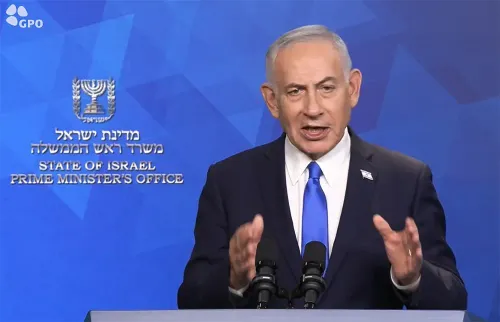
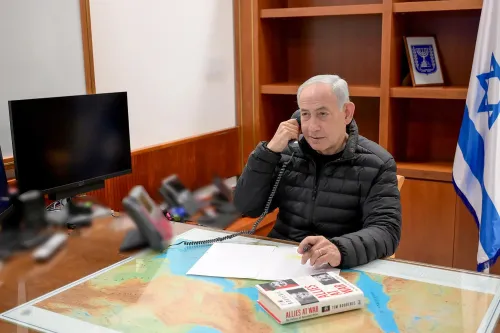
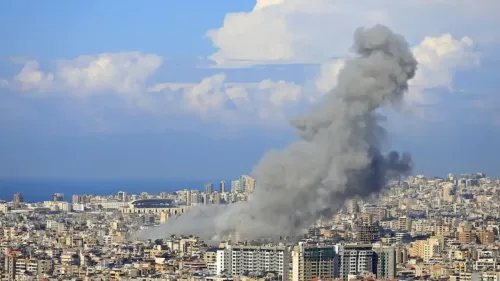
Israeli Prime Minister Benjamin Netanyahu has directed the Israel Defense Forces (IDF) to launch intensified military strikes against Hezbollah targets across Lebanon, according to a statement released by Israel's Government Press Office on April 26. The order comes as Israel simultaneously pursues what Netanyahu described as a path toward a historic peace agreement with Lebanon, even as Hezbollah reportedly attempts to derail those efforts.
Netanyahu's Directive and Strategic Objectives
Prime Minister Netanyahu stated that he had pledged to "change the face of the Middle East" and affirmed that Israeli forces are actively delivering on that promise. He emphasized that the military operations are being conducted with full freedom of action against any existing or emerging threats to Israeli sovereignty.
Netanyahu confirmed that strikes were carried out on both April 25 and April 26, underscoring Israel's determination to restore safety and security to residents of northern Israel, who have endured months of cross-border fire and aerial threats.
IDF Operations on the Ground and in the Air
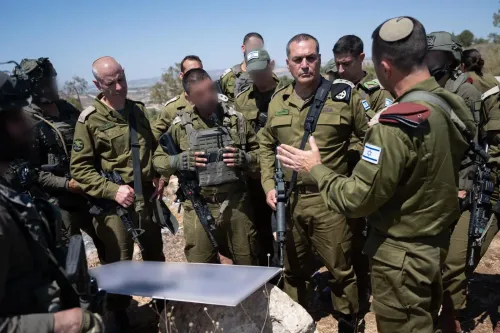
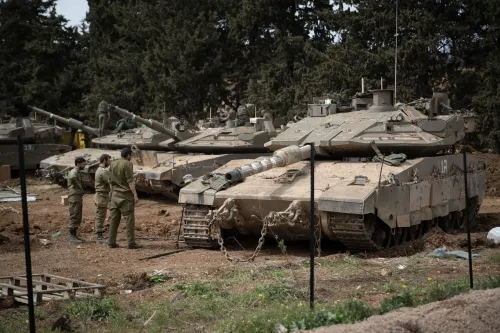
The IDF's 146th Division located a significant stockpile of anti-tank missiles belonging to Hezbollah in southern Lebanon, a find that military analysts say reflects the scale of Hezbollah's ongoing weapons buildup despite ceasefire understandings reached in late 2024.
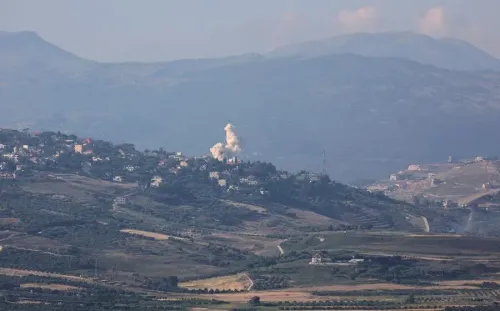
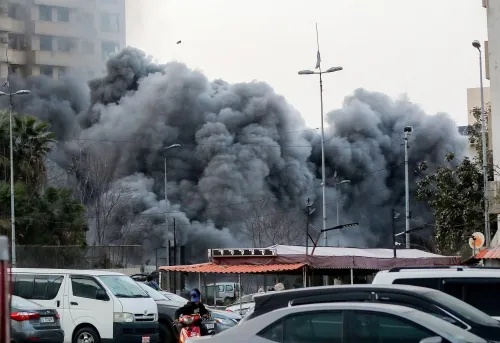
Israeli forces also struck buildings used by Hezbollah's elite Radwan Force unit for military operations, along with a combat equipment warehouse located south of the forward defence line. The Radwan Force has been a primary target for Israel given its role in cross-border infiltration operations.
Additionally, the Israeli Air Force successfully intercepted a suspicious aerial target launched from Lebanese territory toward northern Israel, after air-raid alerts were triggered across multiple areas in the region. The IDF also struck Hezbollah rocket launchers in the areas of Dir al-Zahrani, Kafr Reman, and Al-Sa'miya in southern Lebanon, north of the forward defence line.
Separately, the IDF confirmed the elimination of a terrorist who had infiltrated Israeli territory on October 7 — a significant development that signals continued Israeli intelligence operations targeting perpetrators of the October 7, 2023 Hamas attack.
Iran Pressure and US-Israel Coordination
Netanyahu revealed that he had held a productive conversation with US President Donald Trump, who is applying what the Israeli PM described as "very strong pressure on Iran" — both economically through sanctions and militarily through regional posturing. This coordination, Netanyahu said, is operating at full capacity.
This comes amid broader US-Iran nuclear negotiations that have entered a critical phase in 2025, with Washington seeking to curtail Tehran's uranium enrichment program. Critics argue that Hezbollah's continued aggression is directly funded and directed by Iran's Islamic Revolutionary Guard Corps (IRGC), making the Israeli-American coordination strategically significant.
Lebanon Peace Process Under Threat
Netanyahu stated that a formal process is underway to establish a historic peace between Israel and Lebanon, but warned that Hezbollah is actively attempting to sabotage this diplomatic track. This mirrors a pattern seen during the 2006 Lebanon War and subsequent ceasefire periods, where Hezbollah consistently rearmed and repositioned despite international agreements.
Notably, the November 2024 ceasefire agreement between Israel and Lebanon — brokered with US and French involvement — required Hezbollah to withdraw north of the Litani River and the Lebanese Armed Forces to deploy in the south. Israeli officials have repeatedly accused Hezbollah of violating these terms, citing weapons stockpiles and continued military infrastructure in border zones.
Broader Implications and What Comes Next
The renewed intensity of Israeli strikes signals that Tel Aviv is unwilling to allow Hezbollah to reconstitute its military capabilities along the border, even as diplomatic channels remain nominally open. The discovery of anti-tank missile stockpiles and the targeting of Radwan Force infrastructure suggests Israel possesses actionable intelligence on Hezbollah's rearmament network.
With US-Iran talks ongoing and Israeli elections shaping domestic politics, Netanyahu faces pressure to demonstrate military resolve while not derailing a potential regional diplomatic realignment. The coming weeks will be critical in determining whether the Lebanon peace process advances or collapses under the weight of continued Hezbollah provocations.
Point of View
Suggesting a coordinated US-Israel strategy to reshape the regional order before any nuclear deal is finalized. The discovery of Hezbollah's anti-tank missile stockpiles despite a November 2024 ceasefire exposes the fundamental flaw in agreements that lack enforcement mechanisms. The harder question the mainstream narrative avoids: if Hezbollah has already rearmed to this degree, what exactly did the ceasefire achieve — and who is being held accountable for its failure?
NationPress
18 Sept 2026
Frequently Asked Questions
Why did Netanyahu order intensified strikes on Hezbollah in Lebanon?
Netanyahu ordered intensified IDF strikes on Hezbollah to counter what he described as Hezbollah's attempts to sabotage an ongoing Israel-Lebanon peace process and to restore security to northern Israeli residents. The strikes followed continued Hezbollah rocket launches and the discovery of weapons stockpiles in southern Lebanon.
What did the IDF target in Lebanon on April 26, 2025?
The IDF struck Hezbollah's Radwan Force military buildings, a combat equipment warehouse, and rocket launchers in Dir al-Zahrani, Kafr Reman, and Al-Sa'miya. The IDF's 146th Division also uncovered a large stockpile of Hezbollah anti-tank missiles in southern Lebanon.
What is the Radwan Force and why is it significant?
The Radwan Force is Hezbollah's elite special operations unit, trained for cross-border infiltration and anti-tank warfare against Israeli forces. It was a primary unit involved in planning cross-border operations and has been a high-priority target for Israeli airstrikes.
How is the US involved in Israel's conflict with Hezbollah and Iran?
US President Donald Trump is applying strong economic and military pressure on Iran, which funds and directs Hezbollah, according to Netanyahu. Netanyahu confirmed that Israel and the US are operating in full cooperation on the Iran strategy, which runs parallel to ongoing US-Iran nuclear negotiations.
Is there a ceasefire between Israel and Lebanon, and is it holding?
A ceasefire between Israel and Lebanon was brokered in November 2024, requiring Hezbollah to withdraw north of the Litani River. However, Israel has repeatedly accused Hezbollah of violating the agreement by maintaining military infrastructure and weapons stockpiles in southern Lebanon.