Trump, Aoun sign Lebanon-Israel peace framework at White House
Synopsis
Trump and Lebanon's Aoun stood together at the White House on 21 July to back a US-brokered framework that could formally end Lebanon-Israel hostility — the most consequential diplomatic moment for Beirut in years. The deal hinges on the Lebanese army filling the vacuum as Israeli forces redeploy from the south and Hezbollah's military role is rolled back.
Key Takeaways
US President Donald Trump and Lebanese President Joseph Aoun met at the White House on 21 July to advance a US-backed Lebanon-Israel peace framework.
The framework, announced in June , seeks phased Israeli redeployment from southern Lebanon and expansion of Lebanese Armed Forces (LAF) control.
Aoun called for US political support and direct backing for the LAF, describing it as Lebanon's most trusted institution.
Trump suggested Lebanon could eventually join the Abraham Accords normalisation process.
Defence Secretary Pete Hegseth warned Iran that Houthi attacks on Red Sea shipping would be met with a response 'ten times harder.' Trump said Israeli forces were 'in the process of redeploying' and pledged to examine reports of Israeli fire near Lebanese army positions.
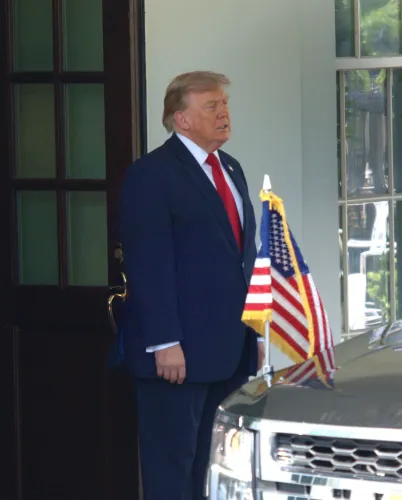
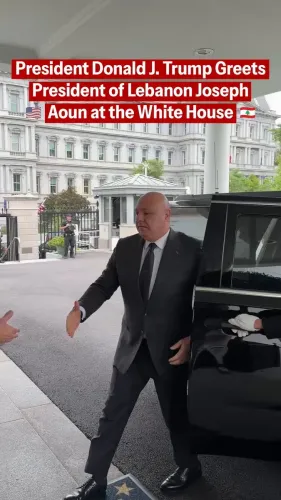
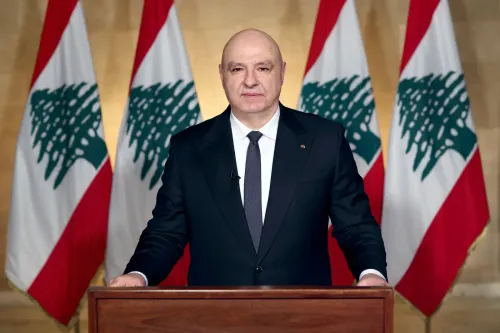
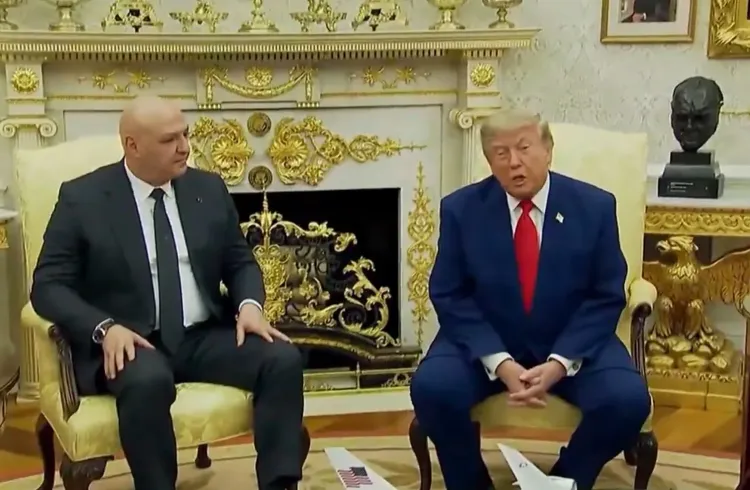
US President Donald Trump and Lebanese President Joseph Aoun stood together at the White House on Tuesday, 21 July, pledging to advance a US-backed framework agreement aimed at ending decades of hostility between Lebanon and Israel, bolstering the Lebanese Armed Forces (LAF), and curbing Hezbollah's military footprint in southern Lebanon.
A Framework Called Historic
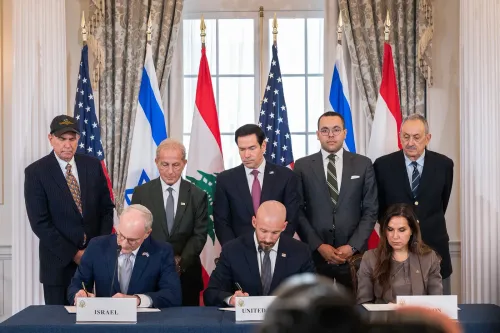
Aoun described the recently signed US-sponsored agreement — announced in June — as a regional turning point, crediting Trump's team directly. 'I would like to thank President Trump, really, and his team for the historic visit and for the historic achievement that we did together by signing the framework with the ultimate objective of ending the state of hostility between Lebanon and Israel forever,' Aoun said. He added: 'I think, Mr. President, this will be your legacy.'
Trump, for his part, characterised Lebanon as 'a very mistreated country for a long period of time' and said Washington intended to play a central role in its recovery. 'We're going to help it a lot,' he said. 'We've already solved some of them for Lebanon.'
Strengthening the Lebanese Army
A significant focus of the talks was building up the LAF, which Washington views as a credible counterweight to Hezbollah. Aoun was direct in his appeal: 'I need two things from you: political support and supporting of the LAF. The LAF is the most trusted institution in the country... Without the LAF, everything will collapse.'
Trump indicated that concrete assistance plans were already being prepared, saying allied nations would also contribute and that Lebanon's forces were 'becoming much more self-sufficient.' This comes amid a broader US strategy of empowering state institutions over non-state armed groups across the region.
Israeli Redeployment and Border Tensions
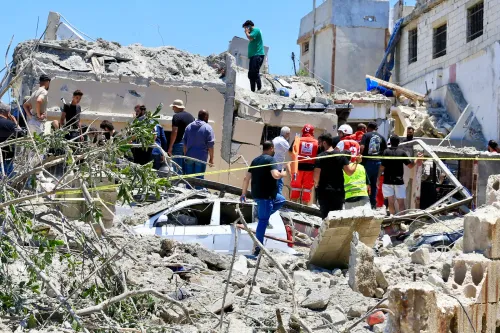
On the question of Israeli military presence in southern Lebanon, Trump said Israeli forces were 'in the process of redeploying.' He also acknowledged reports that Israeli troops had reportedly opened fire near Lebanese army positions, saying: 'I just heard about that before this conference... and we'll be looking at that.' The framework agreement is designed to facilitate a phased Israeli redeployment alongside an expansion of Lebanese army control in the south.
Abraham Accords and Regional Normalisation
Trump suggested Lebanon could eventually join the broader Abraham Accords normalisation effort, calling the accords 'a tremendous success' and saying more countries were likely to join 'pretty soon.' He added: 'I think Lebanon has a very important place.' He also floated the prospect of resuming direct commercial flights between the United States and Lebanon, saying: 'I could see that happening, absolutely.'
Iran, Houthis, and Wider Security Warnings
The discussions extended to broader regional threats. On Iran, Trump claimed Tehran 'desperately' sought negotiations, while simultaneously warning that the US would strike 'any site where they're even thinking about nuclear.' Defence Secretary Pete Hegseth warned that any resumption of Houthi attacks on commercial shipping in the Red Sea would draw a disproportionate response: 'If they're going to shoot at commercial shipping, then we're going to hit them... ten times harder.'
The White House meeting marks the most visible diplomatic engagement between Washington and Beirut in years, and its durability will depend on whether the LAF can assert control in the south and whether the framework's phased timelines hold.
Point of View
Which remains uncertain given chronic underfunding. Trump's Abraham Accords framing is also premature: Lebanon's domestic politics, shaped heavily by Hezbollah's parliamentary bloc, make formal normalisation with Israel a distant prospect regardless of what two presidents say on the White House lawn. The more immediate test is whether Israeli redeployment proceeds on schedule and whether the reported firing near LAF positions signals friction that could unravel the timeline before it begins.
NationPress
20 Oct 2026
Frequently Asked Questions
What is the US-backed Lebanon-Israel framework agreement?
It is a US-sponsored accord announced in June 2025 that seeks to end the state of hostility between Lebanon and Israel. Its core provisions include a phased Israeli military redeployment from southern Lebanon, an expansion of Lebanese Armed Forces control in the south, and a reduction of Hezbollah's military presence in the region.
What did Lebanese President Aoun ask of Trump at the White House?
Aoun specifically requested two things: continued US political support for Lebanon and direct backing for the Lebanese Armed Forces (LAF). He described the LAF as the country's most trusted institution, warning that without it 'everything will collapse.'
Could Lebanon join the Abraham Accords?
Trump suggested Lebanon could eventually become part of the broader Abraham Accords normalisation effort, saying the country 'has a very important place.' However, no formal process or timeline was announced, and Lebanon's complex internal politics — including Hezbollah's significant parliamentary presence — make near-term normalisation with Israel unlikely.
What did Trump say about Iran and the Houthis?
Trump claimed Iran 'desperately' wanted to negotiate, while warning the US would strike any site where Tehran was 'even thinking about nuclear.' Defence Secretary Pete Hegseth separately warned that any Houthi attacks on Red Sea commercial shipping would be met with a response 'ten times harder.'
What is the status of Israeli forces in southern Lebanon?
Trump said Israeli forces were 'in the process of redeploying' from southern Lebanon under the framework agreement. He also said he would examine reports that Israeli troops had opened fire near Lebanese army positions, a development he said he had only just been informed of before the press conference.