Lebanon's Aoun pledges Israel deal implementation in Trump call
Synopsis
Lebanon's President Aoun has formally pledged to implement the US-brokered framework deal with Israel — but the real test lies in whether Washington can compel Israeli withdrawal from southern Lebanon, the precondition for deploying the Lebanese army to the border. Secretary of State Rubio called it a foundation for 'lasting peace,' yet the agreement's durability hinges on dismantling Hizballah's military infrastructure, a goal that has eluded diplomacy for decades.
Key Takeaways
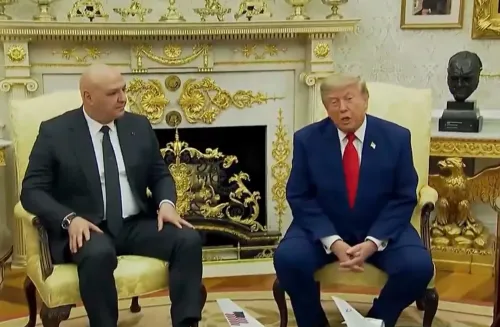
Lebanese President Joseph Aoun pledged on 28 June to implement the US-brokered framework agreement with Israel during a phone call with US President Donald Trump .
Aoun urged the United States to press Israel to withdraw from occupied areas in southern Lebanon to enable Lebanese army deployment to the internationally recognised border.
Trump pledged US support for Lebanon's sovereignty, independence, and territorial integrity.
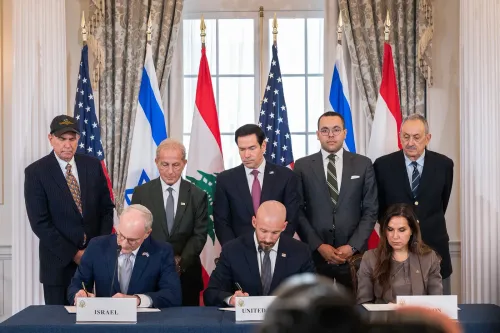
The framework was announced on 27 June by US Secretary of State Marco Rubio after ambassador-level talks in Washington, D.C.
The deal calls for ceasefire implementation, dismantling of Hizballah's military infrastructure, and eventual withdrawal of Israeli forces.
Trump said he looks forward to meeting Aoun in Washington in the near future.
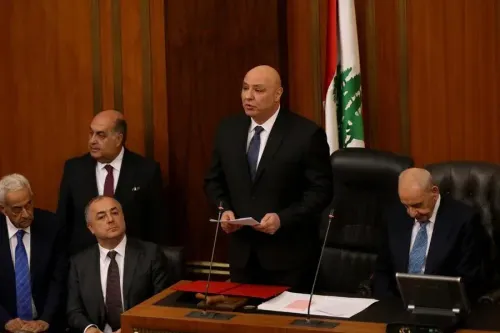
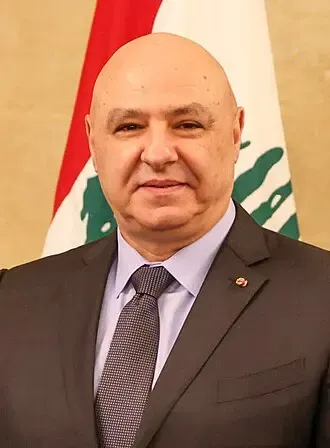
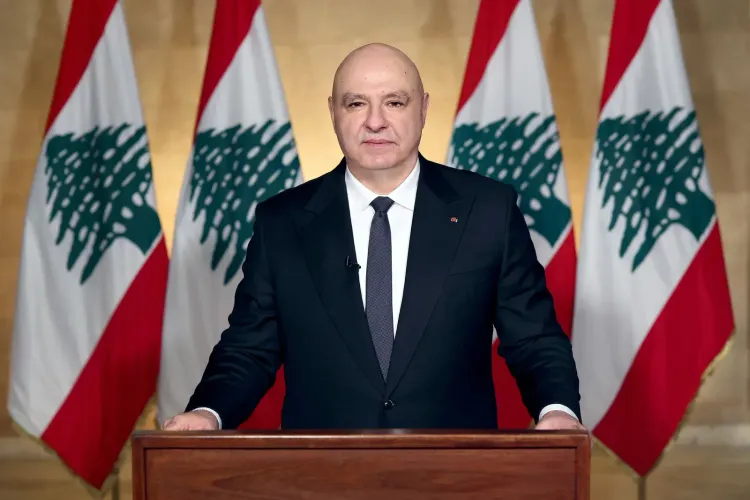
Lebanese President Joseph Aoun pledged on Saturday, 28 June that the Lebanese state would assume full responsibility for implementing the US-brokered framework agreement between Lebanon and Israel, during a phone call with US President Donald Trump, according to a statement issued by the Lebanese presidency.
What Aoun Sought from Washington
Beyond the pledge, Aoun urged the United States to play an active role in preventing violations of the agreement and ensuring that all commitments under the deal are honoured. Crucially, he pressed for Washington to push Israel to withdraw from areas it currently occupies in southern Lebanon, a precondition for deploying the Lebanese army up to the internationally recognised border.
Trump's Commitments on the Call
Trump reaffirmed Washington's support for Lebanon and its people, pledging to work toward implementing the deal and restoring security and stability across the country. He stated that the United States would back Lebanon's sovereignty, independence, and territorial integrity, and support the extension of state authority through its armed forces across Lebanese territory. At the close of the call, Trump said he looked forward to hosting Aoun in Washington in the near future.
The Framework Agreement: What It Contains
The agreement was announced on Friday, 27 June by US Secretary of State Marco Rubio following the latest round of ambassador-level talks in Washington, D.C. Rubio described it as a foundation for 'lasting peace and security' between the two nations. 'Today is a good day in that we are happy to announce the — a framework agreement between the sovereign Government of Lebanon and of course the Government of Israel, with the mediation and support of the United States of America, that begins to put in place a framework for lasting peace and security. And that's what these two nations deserve,' Rubio said at the signing ceremony.
The framework calls for implementation of a fragile ceasefire between Lebanon and Israel, aims to restore Lebanon's sovereignty, dismantle Hizballah's military infrastructure, and enable Israeli forces to return to their borders once security threats are removed.
Context and What Comes Next
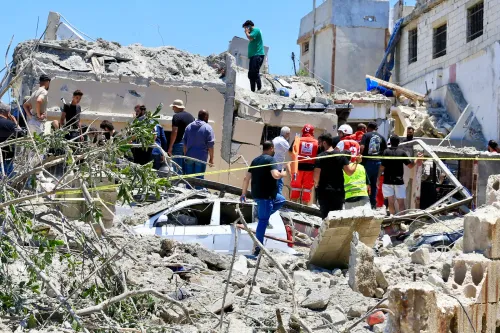
This comes amid longstanding tensions over Israel's military presence in southern Lebanon and the unresolved status of Hizballah's armed wing, which has been a central sticking point in prior ceasefire arrangements. The latest framework marks a more structured diplomatic effort than earlier informal understandings, with the United States taking a direct mediation role. The deployment of the Lebanese army to the southern border remains a key benchmark for whether the agreement translates into durable stability. All eyes will now be on whether Israel moves toward the withdrawal Beirut has demanded and whether Washington applies sufficient pressure to make that happen.
Point of View
But its architecture rests on two historically elusive pillars: Israeli willingness to withdraw from southern Lebanon and the effective dismantlement of Hizballah's military capacity. Neither has been achieved in prior arrangements, including the 2006 UN Security Council Resolution 1701, which remains only partially implemented nearly two decades later. Aoun's public pledge signals Beirut's intent, but intent without enforcement mechanisms has been the chronic failure of Lebanon-Israel diplomacy. Washington's willingness to apply real pressure on Israel — not merely express support for Lebanese sovereignty — will determine whether this agreement is a turning point or another headline that fades.
NationPress
26 Sept 2026
Frequently Asked Questions
What is the Lebanon-Israel framework agreement announced in June 2025?
It is a US-brokered deal announced on 27 June 2025 by Secretary of State Marco Rubio, following ambassador-level talks in Washington, D.C. The framework calls for implementing a ceasefire between Lebanon and Israel, restoring Lebanese sovereignty, dismantling Hizballah's military infrastructure, and enabling Israeli forces to return to their borders once security threats are removed.
What did Lebanese President Aoun pledge in his call with Trump?
President Aoun pledged that the Lebanese state would take full responsibility for implementing the framework agreement. He also urged the United States to prevent violations of the deal and to press Israel to withdraw from areas it occupies in southern Lebanon so the Lebanese army can deploy to the internationally recognised border.
What did President Trump commit to during the call?
Trump reaffirmed US support for Lebanon and pledged to work toward implementing the deal and restoring security and stability. He said Washington would back Lebanon's sovereignty, independence, and territorial integrity, and support the extension of Lebanese state authority across the entire country.
Why is Israeli withdrawal from southern Lebanon a key issue?
Lebanon has made the withdrawal of Israeli forces from occupied areas in southern Lebanon a precondition for deploying its own army to the border region. Without that withdrawal, the Lebanese state cannot extend its authority to the frontier, which is a central goal of the framework agreement.
What role did US Secretary of State Rubio play in the agreement?
Rubio announced the framework agreement on 27 June after the latest round of ambassador-level talks in Washington, D.C. He described it as a foundation for 'lasting peace and security' and presided over the signing ceremony, with the United States serving as mediator between Lebanon and Israel.