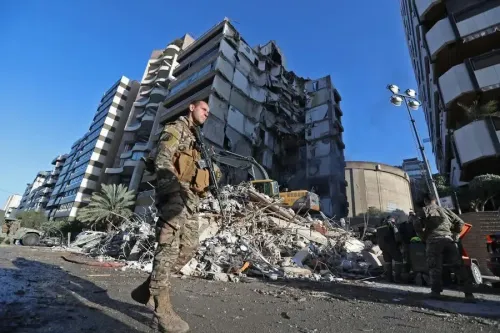
Israel to Maintain 10-Km Security Buffer in Southern Lebanon Despite Ceasefire
Synopsis
Israeli Prime Minister Benjamin Netanyahu asserts that Israel will keep a 10-km security zone in southern Lebanon even after the ceasefire with Hezbollah is in effect. This decision follows a ceasefire agreement facilitated by US President Donald Trump, aiming to stabilize the region amidst ongoing tensions.
Key Takeaways
Israel will maintain a 10-km security zone in southern Lebanon.
A ceasefire with Hezbollah has been agreed upon, facilitated by US President Trump .
Netanyahu rejected calls for a full withdrawal to the international border.
Peace negotiations focus on disarmament of Hezbollah .
Recent calls for peace talks indicate shifting dynamics in the region.
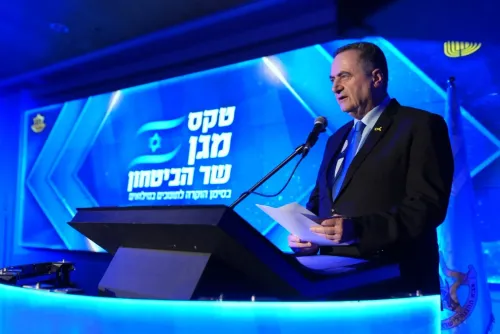
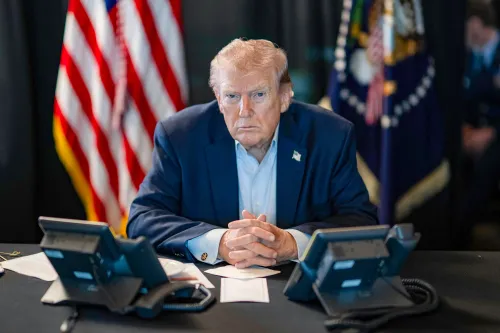
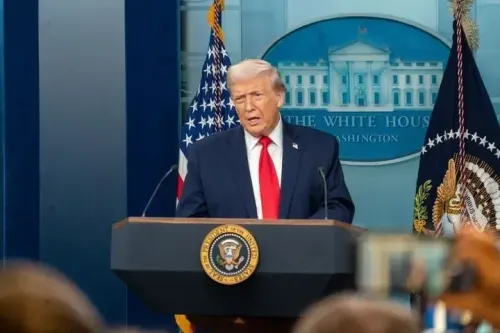
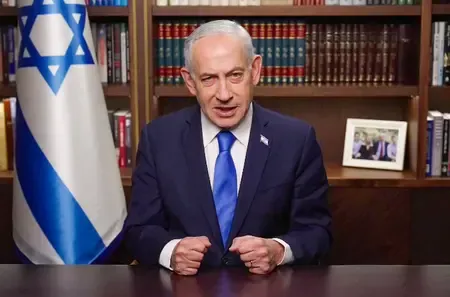
Jerusalem, April 17 (NationPress) Israeli Prime Minister Benjamin Netanyahu announced that following the ceasefire with Hezbollah, Israel will uphold a 10-km security zone in southern Lebanon. This announcement came in a videotaped message shortly after US President Donald Trump declared a ceasefire, which was agreed upon by Netanyahu and Lebanese President Joseph Aoun, effective at 5 p.m. US Eastern Time (2100 GMT).
Netanyahu emphasized that he has denied Hezbollah's request for Israel to retreat to the international border, insisting that Israeli forces will remain in the designated security area in Lebanon, as reported by Xinhua news agency.
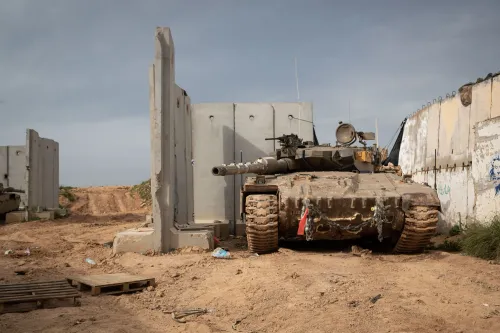
He argued that maintaining this buffer zone is crucial to avert potential "invasions" and anti-tank fire targeting northern Israeli communities.
Furthermore, Netanyahu stated, "We have a chance to forge a historic peace agreement with Lebanon," highlighting that Trump aims to invite both him and Aoun to facilitate such a deal.
He claimed this opportunity arises because Israel has significantly altered the power dynamics in Lebanon, noting that there have been recent calls from Lebanon for direct peace negotiations.
In these discussions, Netanyahu pointed out that Israel's primary demands are the disarmament of Hezbollah and the establishment of a lasting peace agreement.
Addressing the situation with Iran, Netanyahu mentioned that Trump assured him of his strong commitment to continue both the naval blockade and efforts to dismantle Iran's nuclear capabilities.
He characterized these actions as "two vital steps that could dramatically reshape our security and political landscape for years to come."
On Thursday, Trump announced a ceasefire between Israel and Lebanon aimed at providing temporary relief from escalating tensions related to the conflict with Iran.
After discussions with Netanyahu and Aoun, both parties agreed to a 10-day ceasefire commencing at 5 p.m. Washington time.
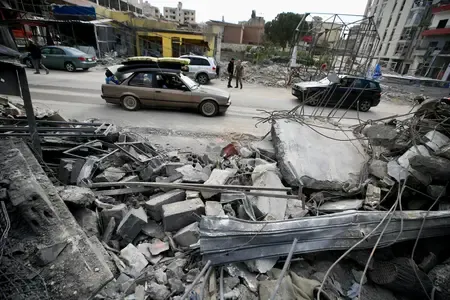
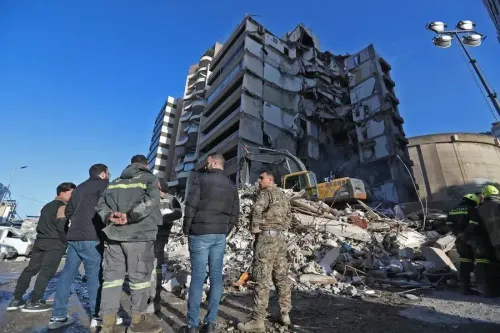
This ceasefire is anticipated to halt hostilities that intensified when Israel launched a new offensive against Iran-backed Hezbollah.
While Lebanon is not officially at war with Israel, Hezbollah controls significant portions of southern Lebanon and has conducted attacks against Israel, which have led to retaliatory strikes.
Point of View
The announcement by Israeli Prime Minister Netanyahu regarding the 10-km security zone highlights Israel's strategic stance in the region. The ceasefire agreement, while a step towards peace, underscores ongoing tensions with Hezbollah and the complexities of regional politics. The focus on disarmament and peace negotiations indicates a pivotal moment for Israel and Lebanon.
NationPress
18 Sept 2026
Frequently Asked Questions
What is the significance of the 10-km security zone?
The 10-km security zone serves as a buffer to protect Israeli communities from potential threats, including invasions and attacks from Hezbollah.
Who facilitated the ceasefire agreement?
The ceasefire agreement was facilitated by US President Donald Trump, who played a pivotal role in bringing both parties to the negotiating table.
What are Israel's main demands in peace talks?
Israel's main demands include the disarmament of Hezbollah and establishing a lasting peace agreement with Lebanon.
When did the ceasefire take effect?
The ceasefire took effect at 5 p.m. US Eastern Time (2100 GMT) on the day of the announcement.
Is Lebanon officially at war with Israel?
No, Lebanon is not officially at war with Israel; however, Hezbollah, which operates in southern Lebanon, has engaged in attacks against Israel.