Lebanon-Israel deal enters implementation phase, says Trump adviser
Synopsis
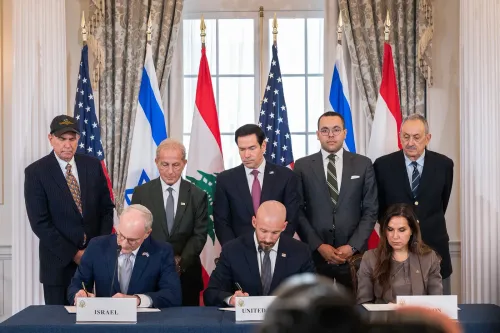
For the first time since the 1949 Armistice, Lebanon and Israel have signed a framework agreement — and Washington says it is now in motion. Trump adviser Massad Boulos confirmed the deal is entering implementation after Trump met Lebanese President Joseph Aoun, but was candid: disarmament, withdrawal, and verification must proceed in lockstep, and nobody expects it to be easy.
Key Takeaways
Massad Boulos confirmed on 21 July that the US-backed Lebanon-Israel framework agreement has entered its implementation phase.
The deal is described as the first formal accord between Lebanon and Israel since the 1949 Armistice Agreement .
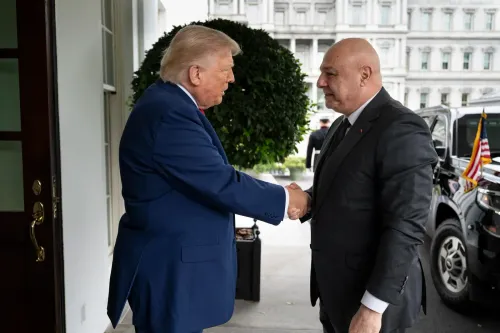
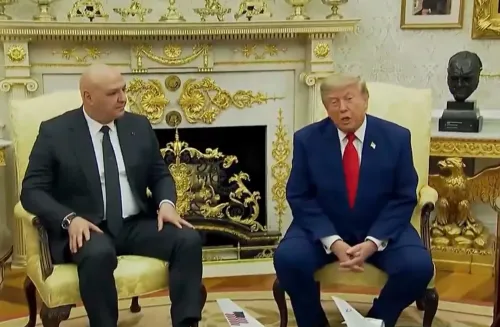
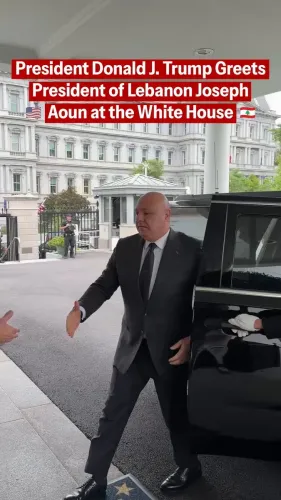
President Trump met Lebanese President Joseph Aoun at the White House , with talks covering security, economic cooperation, and support for the Lebanese Armed Forces (LAF) .
Implementation will be gradual and phased , governed by a verification mechanism and 'pilot zones' in southern Lebanon.
Hezbollah disarmament and Israeli military redeployment are described as two linked, sequential tracks — neither can advance without the other.
Washington recognises only Lebanon 's elected government as the country's legitimate representative.
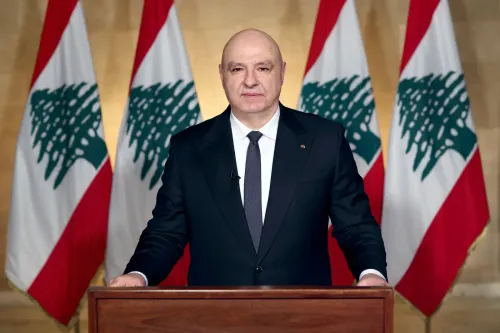
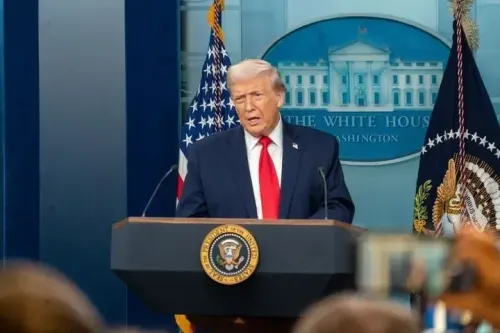
Massad Boulos, President Donald Trump's senior adviser for Arab and Middle Eastern affairs, said on Tuesday, 21 July that the US-backed framework agreement between Lebanon and Israel had entered its implementation phase — marking what he called the first formal accord between the two countries since the 1949 Armistice Agreement. Boulos made the remarks in Washington after Trump held a White House meeting with Lebanese President Joseph Aoun.
What Was Said After the White House Meeting
Boulos told reporters that the two presidents had developed 'very good chemistry' during discussions that covered security arrangements, economic cooperation, and support for the Lebanese Armed Forces (LAF). He described the talks as 'very productive', noting that both leaders addressed 'some very important points' including LAF backing and bilateral economic ties.
'This is indeed a historic agreement,' Boulos said. 'This is the first time actually the two countries have actually signed an agreement since 1949.'
Implementation Will Be Gradual, Not Immediate
Boulos was emphatic that progress would unfold in stages rather than on a fixed timetable. 'It's all about implementation,' he said. 'It's going to take time. This is not easy. Nobody believes for a second that this is going to be an easy task in any way. It will take time, but we're determined. President Trump is absolutely determined to see this through.'
He pointed to a verification mechanism built into the agreement, designed to confirm that each phase is completed before the next begins. The use of 'pilot zones' in southern Lebanon — which Boulos called 'a brilliant concept' — allows both sides to advance implementation incrementally.
Israeli Redeployment and Hezbollah Disarmament
On the question of Israeli forces redeploying from southern Lebanon, Boulos said the process was proceeding through coordinated steps between CENTCOM, the LAF, and the Israeli Defence Forces (IDF) rather than against a set deadline. He linked Israeli withdrawal directly to the dismantling of Hezbollah's military infrastructure, describing the two tracks as inseparable.
'There are two aspects. There's the disarmament, and then there's the withdrawal, and they go hand in hand, step by step, in sequence,' he said.
Asked about US leverage over Hezbollah, Boulos declined to detail specific options but noted that the administration had 'always tools that the president has at his disposal' if required.
US Recognition of Lebanon's Elected Leadership
Boulos underscored that Washington recognised only Lebanon's constitutionally elected government as the country's legitimate representative. He cited President Aoun's own assertion that he and his government are 'the legitimate representative of Lebanon and the Lebanese', adding: 'We respect the sovereignty of Lebanon.'
Boulos also rejected suggestions that domestic political calendars in any of the three countries could slow the process, saying it would be driven by on-the-ground conditions rather than dates. The broader framework, he noted, goes beyond military arrangements because 'the two countries have recognised each other and committed to the sovereignty and territorial integrity of their respective parties.'
What the Framework Agreement Aims to Achieve
The White House has positioned the framework as a central pillar of its Lebanon policy. Its stated objectives include expanding the authority of the Lebanese Armed Forces in southern Lebanon, reducing Hezbollah's military presence, and facilitating a phased Israeli redeployment under US supervision. If fully implemented, it would represent the most significant security realignment on Lebanon's southern border in decades. The coming weeks of coordinated ground-level action will be the first real test of whether the framework can translate diplomatic momentum into durable change.
Point of View
Hedged enough to absorb delays. Tying Israeli redeployment to Hezbollah disarmament is the logical pressure point: it makes the entire framework hostage to an outcome that has eluded every previous effort in Lebanon. The 'pilot zones' concept is creative, but pilot zones have a history of becoming permanent stalls. What is missing from the public framing is any indication of what happens if Hezbollah does not cooperate — Boulos's reference to unspecified presidential 'tools' is unlikely to reassure sceptics in Beirut or Tel Aviv.
NationPress
20 Oct 2026
Frequently Asked Questions
What is the Lebanon-Israel framework agreement?
It is a US-backed accord between Lebanon and Israel that aims to expand Lebanese Armed Forces authority in southern Lebanon, reduce Hezbollah's military presence, and facilitate a phased Israeli redeployment under US supervision. It is described as the first formal agreement between the two countries since the 1949 Armistice.
What did Trump's adviser Massad Boulos say about the deal?
Boulos said on 21 July that the agreement had entered its implementation phase following President Trump's White House meeting with Lebanese President Joseph Aoun. He stressed the process would be gradual, step-by-step, and governed by a built-in verification mechanism.
How does Hezbollah's disarmament relate to Israeli troop withdrawal?
Boulos described the two tracks as inseparable and sequential — disarmament and withdrawal must proceed hand in hand, with each phase verified before the next begins. Israeli redeployment from southern Lebanon will not advance independently of Hezbollah's demilitarisation.
What are 'pilot zones' in the Lebanon-Israel agreement?
Pilot zones are designated areas in southern Lebanon where the framework agreement is being implemented in phases, allowing both sides to test and verify the process before expanding it. Boulos called the concept 'a brilliant' approach to managing a complex, gradual rollout.
Who does the US recognise as Lebanon's legitimate government?
Washington recognises only Lebanon's constitutionally elected leadership — President Joseph Aoun and his government — as the country's legitimate representatives. Boulos reaffirmed US respect for Lebanese sovereignty during his post-meeting remarks.