Lebanon Speaker Berri: Trump-Aoun summit must deliver results, not optics
Synopsis
Lebanon's Parliament Speaker Nabih Berri is not buying the optics of the Trump-Aoun White House summit. With Israeli forces still firing near Lebanese army units even as a partial withdrawal begins in Zawtar al-Gharbiyah, Berri's demand for 'results on the ground' exposes the yawning gap between diplomatic ceremony and on-the-ground reality in southern Lebanon.
Key Takeaways
Nabih Berri , Lebanese Parliament Speaker, said the Trump-Aoun summit must be judged by ground results, not appearances, in remarks published Wednesday .
Israeli forces began a partial withdrawal from Zawtar al-Gharbiyah on Tuesday under a 'pilot areas' arrangement — the first implementation of the US-brokered framework agreement.
The Lebanese army reported Israeli forces opened fire near its units during deployment, warning the incident could hinder further progress.
President Aoun called on Trump at the White House to help Lebanon achieve permanent peace and thanked him for a 'historic achievement' in the framework agreement.
Trump pledged Washington would help Lebanon 'a lot' and said Israeli forces were 'in the process of withdrawing.' Berri noted that tangible achievements have 'not happened yet', signalling continued scepticism about the deal's implementation.
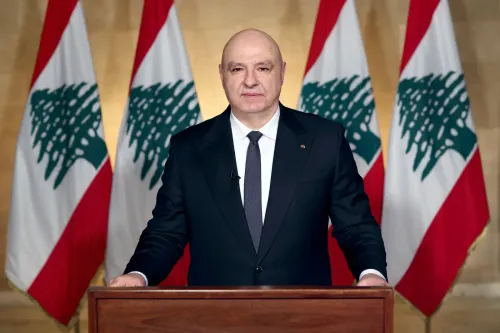
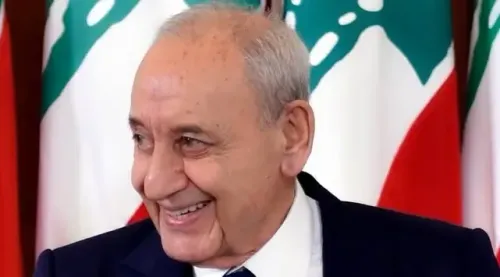
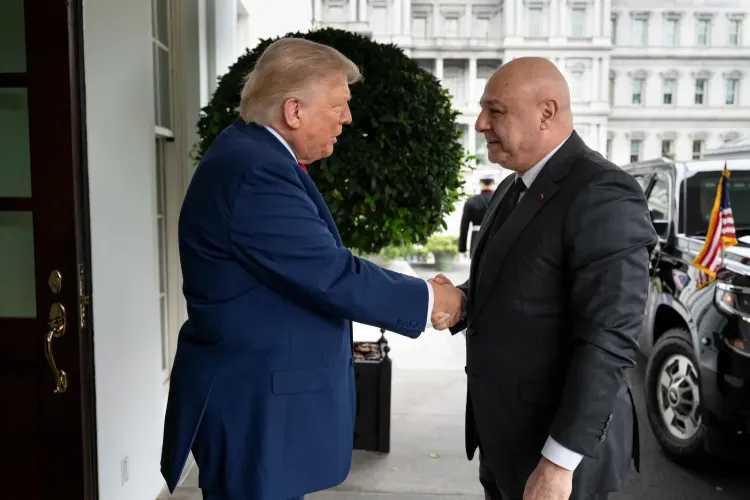
Lebanese Parliament Speaker Nabih Berri on Wednesday, 23 July 2025, said the high-profile meeting between US President Donald Trump and Lebanese President Joseph Aoun in Washington must be measured by tangible outcomes rather than appearances, warning that a lasting ceasefire and full Israeli withdrawal from southern Lebanon have yet to materialise.
'The important thing now is the results on the ground, not merely the way the summit appeared,' Berri told Lebanese newspaper Asharq Al-Awsat in remarks published Wednesday.
Berri's Assessment of the Israeli Withdrawal
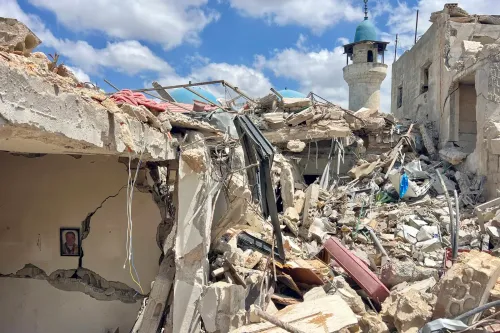
Berri described Israel's partial withdrawal from the southern town of Zawtar al-Gharbiyah as inadequate, stating that 'criminal demolition operations' and attacks near occupied villages were continuing despite the move. He reiterated that he would back tangible achievements — ones that have 'not happened yet' — signalling deep scepticism about whether the framework agreement is being implemented in good faith.
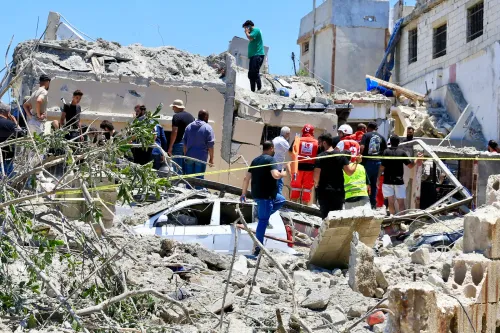
Notably, Israeli forces did begin withdrawing from parts of Zawtar al-Gharbiyah on Tuesday, marking the first implementation of the so-called 'pilot areas' arrangement under the US-brokered framework. The Lebanese army moved in to fill the vacated positions, but subsequently reported that Israeli forces had opened fire near its units — an incident the army warned could hinder further deployment.
What Was Said at the White House
During their talks at the White House on Tuesday, President Aoun urged Trump to help Lebanon achieve lasting peace, stressing the necessity of permanently ending hostilities between Lebanon and Israel. According to Lebanon's National News Agency, Aoun thanked Trump for his support in reaching what he called a 'historic achievement' through the recent signing of the framework agreement.
'The time has come for Lebanon to enjoy peace, and together we can achieve that,' Aoun said, adding that the final goal is 'to end the state of hostility between Lebanon and Israel forever.'
Aoun also acknowledged Berri's role in the process, noting that the Parliament Speaker hails from southern Lebanon and is 'making great efforts' to help end hostilities — a significant statement given Berri's widely reported ties to Hezbollah.
Trump's Pledges and Washington's Position
President Trump pledged that Washington would help Lebanon 'a lot', noting that Israeli forces were 'in the process of withdrawing from southern Lebanon.' He also indicated that his administration had plans to support the Lebanese army — a force seen by Washington as central to consolidating security in the south once Israeli forces exit.
This comes amid sustained US-backed efforts to cement security arrangements in southern Lebanon, where Israeli forces have been engaged in operations against Hezbollah fighters for months, causing widespread damage and displacement across border communities.
What Comes Next
The gap between Aoun's diplomatic optimism and Berri's ground-level scepticism reflects a broader tension within Lebanon's fragmented political landscape. The 'pilot areas' withdrawal mechanism is being watched as a litmus test for whether the framework agreement can translate into a durable arrangement. Any repeat of Tuesday's reported firing incident near Lebanese army units could derail further implementation and hand critics — including Berri — grounds to declare the process a failure. The coming days will be critical in determining whether the Trump-Aoun summit produces the 'results on the ground' that Berri has demanded.
Point of View
But Berri's blunt assessment cuts through the pageantry: the framework agreement is only as good as its implementation, and the first test — the Zawtar al-Gharbiyah pilot withdrawal — has already produced a firing incident near Lebanese army units. Washington's instinct is to bank the optics and let the details sort themselves out; Beirut's fractured politics cannot afford that luxury. Berri's positioning is also strategic — by publicly raising the bar for 'results,' he preserves Hezbollah-aligned leverage if the deal stalls, while giving himself room to endorse it if it delivers. The real question is whether the Lebanese army can actually extend its authority southward, or whether Israeli operational behaviour on the ground will keep making that impossible.
NationPress
21 Oct 2026
Frequently Asked Questions
What did Lebanese Parliament Speaker Nabih Berri say about the Trump-Aoun meeting?
Berri said the summit should be judged by 'results on the ground, not merely the way the summit appeared.' He expressed scepticism that tangible achievements — including a lasting ceasefire and full Israeli withdrawal — have materialised, calling Israel's partial pullback from Zawtar al-Gharbiyah inadequate.
What happened during the Israeli withdrawal from Zawtar al-Gharbiyah?
Israeli forces began withdrawing from parts of Zawtar al-Gharbiyah on Tuesday, marking the first implementation of the 'pilot areas' arrangement under the US-brokered framework agreement. However, the Lebanese army reported that Israeli forces opened fire near its units during the deployment, warning the incident could hinder further progress.
What did Lebanese President Aoun and US President Trump discuss at the White House?
Aoun urged Trump to help Lebanon achieve lasting and permanent peace, while thanking him for support in reaching a 'historic achievement' through the framework agreement between Lebanon and Israel. Trump pledged Washington would help Lebanon 'a lot' and said Israeli forces were in the process of withdrawing from southern Lebanon.
What is the US-brokered framework agreement between Lebanon and Israel?
It is a diplomatic arrangement being advanced by Washington to consolidate security in southern Lebanon and end hostilities between Lebanon and Israel. The 'pilot areas' mechanism — under which Israeli forces withdraw from designated zones and the Lebanese army moves in — is its first operational test.
Why does Berri's stance matter for the Lebanon-Israel peace process?
Berri, as Parliament Speaker and a figure believed to be allied with Hezbollah, holds significant political weight in Lebanon's fragmented power structure. His public scepticism signals that any agreement will face internal scrutiny and that the Hezbollah-aligned bloc will not endorse the framework unless it produces verifiable Israeli withdrawals and a genuine ceasefire.