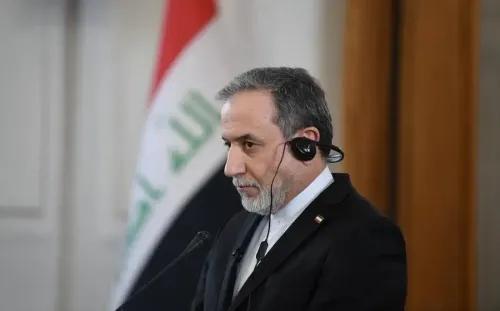
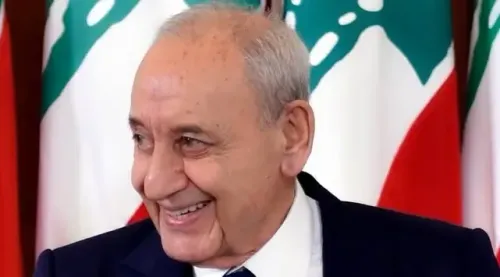
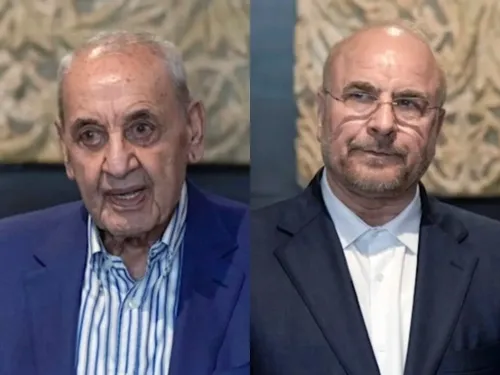
Iran FM, Lebanon Speaker condemn Israel's actions in Lebanon
Synopsis
Iranian Foreign Minister Araghchi and Lebanese Parliament Speaker Berri jointly condemned Israel's operations in Lebanon on 1 May, with Araghchi asserting that ending Israeli actions was embedded in the Iran-US ceasefire terms. As a fragile truce holds and Islamabad talks have stalled, the diplomatic pressure on all parties is mounting rapidly.
Key Takeaways
Iranian FM Seyed Abbas Araghchi and Lebanese Parliament Speaker Nabih Berri spoke by phone on 1 May 2025 , condemning Israel's actions in Lebanon.
Araghchi stated that ending Israeli "aggressions" against Lebanon is part of the Iran-US ceasefire agreement .
The Israel-Lebanon ceasefire took effect between 16 and 17 April ; US President Donald Trump extended it by three weeks on 23 April .
Iran-US-Israel ceasefire took effect on 8 April , but subsequent talks in Islamabad failed to yield an agreement.
The US Embassy in Lebanon backed a potential meeting between Lebanese President Joseph Aoun and Israeli PM Benjamin Netanyahu .
Araghchi separately told Swiss FM Ignazio Cassis that insecurity in the Strait of Hormuz stems directly from US and Israeli actions against Iran.
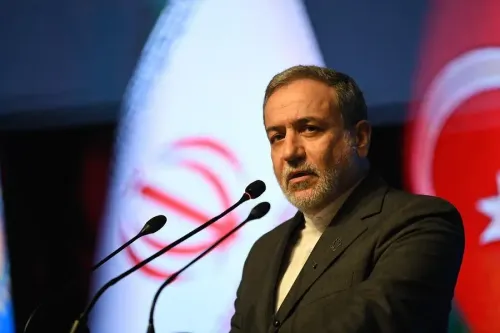
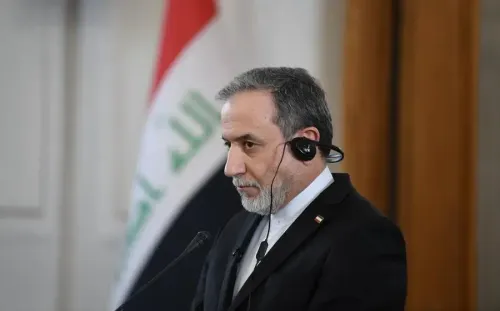
Iranian Foreign Minister Seyed Abbas Araghchi and Lebanese Parliament Speaker Nabih Berri have strongly condemned Israel's "aggressive" actions against Lebanon, calling for global efforts to end what they described as "brutal" Israeli operations in the country's south. The two leaders spoke by phone on Thursday, 1 May, discussing the latest developments in Lebanon, the broader West Asia region, and ongoing peace negotiations between Iran and the United States, according to a statement released by the Iranian Foreign Ministry and reported by Xinhua news agency.
Key Developments from the Phone Call
According to the ministry statement, Araghchi and Berri called for coordinated international action to halt Israeli operations in southern Lebanon, which have reportedly left thousands dead and wounded, destroyed residential areas and critical infrastructure, and displaced large numbers of Lebanese civilians. The two leaders agreed to continue bilateral consultations and coordination going forward.
Araghchi stated that the cessation of Israeli "aggressions" against Lebanon was incorporated as part of the ceasefire agreement between Iran and the United States, and that Iran would continue to raise the issue in any future diplomatic process. Berri, for his part, stressed the need to hold Israel accountable for its actions in Lebanon.
Ceasefire Timeline and Regional Context
A ceasefire between Israel and Lebanon took effect at midnight between 16 and 17 April, following weeks of intensified cross-border fighting linked to the broader US-Israeli conflict with Iran. On 23 April, US President Donald Trump announced that the existing 10-day ceasefire would be extended by three weeks.
Separately, a ceasefire between Iran, the United States, and Israel had taken effect on 8 April, followed by talks between Iranian and US delegations in Islamabad, Pakistan. Those negotiations reportedly failed to yield an agreement. The United States subsequently imposed its own blockade on the Strait of Hormuz.
Araghchi's Call with Swiss FM Cassis
In a separate phone call on the same day, Araghchi spoke with Swiss Foreign Minister Ignazio Cassis, asserting that insecurity in regional waters — particularly the Strait of Hormuz — was a direct consequence of what Iran characterised as US and Israeli "aggression" against Iran, according to the Iranian Foreign Ministry statement. Cassis underlined Switzerland's principled position in support of diplomacy to end the war and restore peace in the region.
US Backs Lebanon-Israel Leadership Meeting
Also on Thursday, the US Embassy in Lebanon issued a statement saying it backs a potential meeting between Lebanese President Joseph Aoun and Israeli Prime Minister Benjamin Netanyahu — a signal of Washington's continued engagement in regional de-escalation efforts.
Background: The Wider Conflict
On 28 February, according to the source, Israel and the United States launched joint attacks on Tehran and other Iranian cities, reportedly killing Iran's then Supreme Leader Ali Khamenei, senior military commanders, and civilians. Iran responded with waves of missile and drone strikes targeting Israel and US interests across the Middle East, alongside a tightened grip on the Strait of Hormuz. The sequence of events has significantly reshaped the security architecture of the region, with diplomatic channels now operating under intense pressure. How the Iran-US talks evolve — and whether Lebanon's ceasefire holds — will be closely watched in the weeks ahead.
Point of View
A move that raises the stakes for any future negotiations. With Islamabad talks having stalled and the Strait of Hormuz still a flashpoint, Tehran is leveraging every multilateral touchpoint, including Switzerland's good offices, to maintain pressure. What mainstream coverage often misses is that Berri's call for Israeli accountability is not merely rhetorical — it is a precondition Lebanon's leadership has set for any normalisation. The US Embassy's quiet backing of an Aoun-Netanyahu meeting, announced on the same day, suggests Washington is running a parallel track that may or may not align with Tehran's stated terms.
NationPress
19 Sept 2026
Frequently Asked Questions
Why did Iran's FM and Lebanon's Parliament Speaker condemn Israel on 1 May 2025?
Iranian Foreign Minister Seyed Abbas Araghchi and Lebanese Parliament Speaker Nabih Berri condemned Israel's actions during a phone call on 1 May 2025, citing Israeli operations in southern Lebanon that have reportedly killed and wounded thousands, destroyed infrastructure, and displaced civilians. Araghchi also linked the cessation of these actions to the terms of the Iran-US ceasefire agreement.
What is the current ceasefire status between Israel and Lebanon?
A ceasefire between Israel and Lebanon took effect at midnight between 16 and 17 April 2025, following weeks of intensified cross-border fighting. US President Donald Trump announced on 23 April that the 10-day ceasefire would be extended by three weeks.
What happened to the Iran-US peace talks in Islamabad?
Iran and US delegations held talks in Islamabad, Pakistan following a ceasefire that took effect on 8 April 2025, but the negotiations reportedly failed to produce an agreement. The United States subsequently imposed its own blockade on the Strait of Hormuz.
What is the significance of the Strait of Hormuz in this conflict?
The Strait of Hormuz is a critical global shipping lane for oil and gas. Iran tightened control over the strait after the US-Israeli attacks on Tehran in February 2025, and Araghchi told Swiss FM Cassis that insecurity in the strait is a direct result of US and Israeli actions against Iran.
What is the US position on Lebanon's political future?
The US Embassy in Lebanon stated on 1 May 2025 that it supports a potential meeting between Lebanese President Joseph Aoun and Israeli Prime Minister Benjamin Netanyahu, signalling Washington's continued involvement in regional diplomatic efforts.