Historic U.S.-Facilitated Talks Between Israel and Lebanon
Synopsis
In a groundbreaking move, the United States has orchestrated high-level discussions between Israel and Lebanon, the first of its kind in over three decades. This pivotal meeting aims to address long-standing tensions and set the foundation for future peace negotiations.
Key Takeaways
First direct talks in over 30 years Focus on permanent peace and disarmament U.S. supports Lebanon's sovereignty Negotiations to be held at mutually agreed time Historical context of conflict remains a challenge
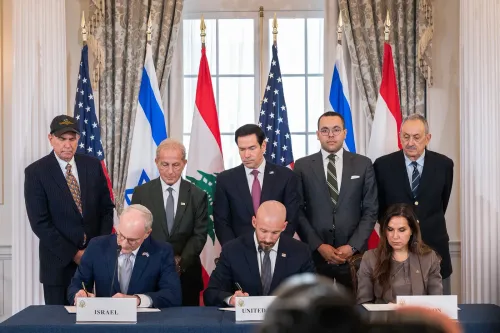
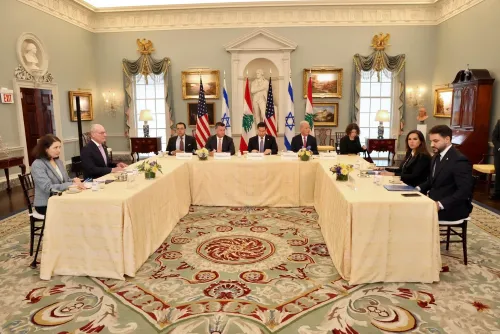
On April 15, in Washington D.C., the United States initiated a significant and rare direct dialogue between Israel and Lebanon, marking the first such interaction in over thirty years. This meeting paves the way for potential direct negotiations.
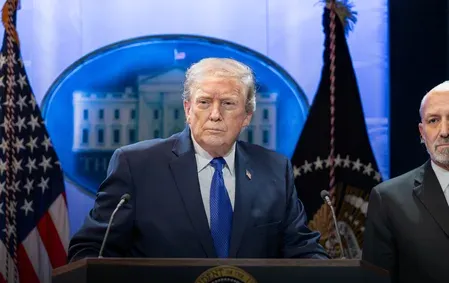
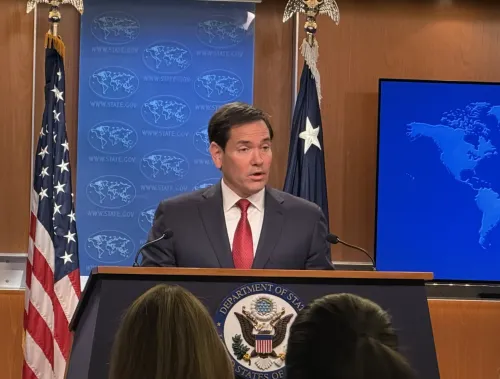
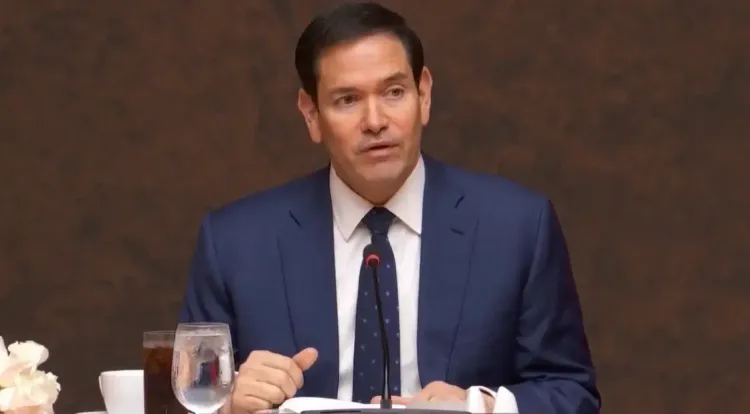
During the discussions hosted by Secretary of State Marco Rubio at the State Department, he referred to the gathering as a “historic opportunity”. He emphasized that the focus extends beyond merely achieving a ceasefire, stating, “This is about bringing a permanent end to 20 or 30 years of Hizballah’s influence in this part of the world.”
Rubio further noted, “The Lebanese people are victims of Hizballah and Iranian aggression,” underlining that this process will require time and patience. “This is a process, not an event. This is more than just one day,” he added.
A statement from the State Department confirmed that the meeting included senior U.S. officials alongside the ambassadors from Israel and Lebanon. It was described as “the first major high-level engagement” between the two nations since 1993, and discussions were characterized as “productive.”
All parties consented to commence direct negotiations at a time and location mutually agreeable.
The U.S. reiterated its support for Lebanon’s ambitions “to restore the monopoly of force and to end Iran’s overbearing influence,” while also affirming Israel’s “right to defend itself from Hizballah’s continued attacks.” Furthermore, any agreement to halt hostilities must be established between the two governments “and not through any separate track.”
Israel expressed its commitment to disarming “all non-state terror groups” and dismantling “all terror infrastructure in Lebanon.” They also pledged to engage in direct negotiations to attain “a durable peace.”
Lebanon underscored the necessity of fully implementing the cessation of hostilities established in November 2024, highlighting its “territorial integrity and full state sovereignty,” while calling for a ceasefire and measures to alleviate the humanitarian crisis.
The Washington Post reported that Lebanese and Israeli diplomats met face-to-face in Washington, forming a working group aimed at facilitating a ceasefire and addressing cross-border conflicts. This meeting lasted over two hours.
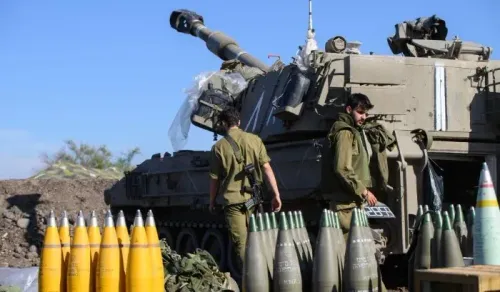
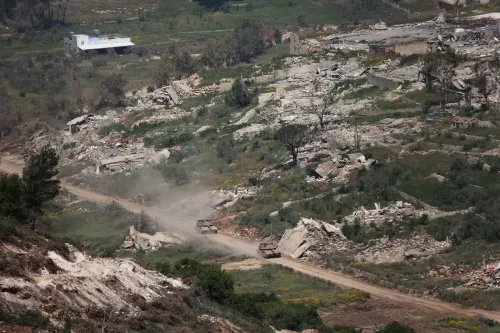
According to the New York Times, these talks occurred amidst ongoing fighting in southern Lebanon, underscoring the precariousness of the situation and the threat to wider U.S.-Iran ceasefire efforts. It was noted that Israel and Lebanon do not maintain formal diplomatic relations.
Rubio stated that these discussions could help establish “the framework upon which a permanent and lasting peace can be developed,” allowing Israelis to live “without fear” and enabling Lebanese citizens to achieve “the kind of future they deserve.”
The historical context of relations between Israel and Lebanon has been marked by conflict, driven by border disputes and the presence of Hizballah, an Iranian-backed militant organization. Direct engagement efforts have been infrequent and typically short-lived.
Point of View
It is imperative to highlight the importance of this unprecedented dialogue between Israel and Lebanon. The U.S. involvement emphasizes a commitment to regional stability and humanitarian concerns. While the journey toward peace is complex and fraught with historical challenges, this meeting represents a hopeful step forward in resolving long-standing conflicts.
NationPress
2 Oct 2026
Frequently Asked Questions
What was the significance of the U.S. meeting with Israel and Lebanon?
The meeting is significant as it marks the first high-level direct talks between Israel and Lebanon in over 30 years, aiming to address long-standing tensions and pave the way for future negotiations.
Who hosted the talks?
The talks were hosted by U.S. Secretary of State Marco Rubio at the State Department.
What are the main objectives of these negotiations?
The main objectives include establishing a ceasefire, reducing Hizballah's influence, and restoring stability and security in the region.
How long did the meeting last?
The meeting lasted more than two hours.
What challenges do Israel and Lebanon face in these negotiations?
Israel and Lebanon face significant challenges including a history of conflict, lack of formal diplomatic relations, and ongoing violence in the region.