Israel-Lebanon talks: Third round opens in Washington on May 14
Synopsis
A third round of Israel-Lebanon negotiations is under way at the US State Department — the most direct diplomatic engagement yet in a conflict that restarted in March. With Israel demanding freedom to strike Hezbollah and Lebanon demanding a full withdrawal, the gap is wide. Trump's ceasefire extension bought the time; whether Washington can bridge the core divide is the real test.
Key Takeaways
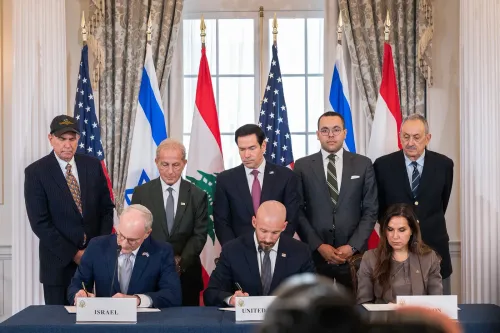
Israeli and Lebanese officials opened a third round of peace talks at the US State Department on 14 May 2025 .
Israel is represented by Ambassador Yechiel Leiter ; Lebanon by Ambassador Nada Hamadeh Mouawad and former Ambassador Simon Karam .
Core agenda: Hezbollah disarmament and establishing formal Israel-Lebanon ties .
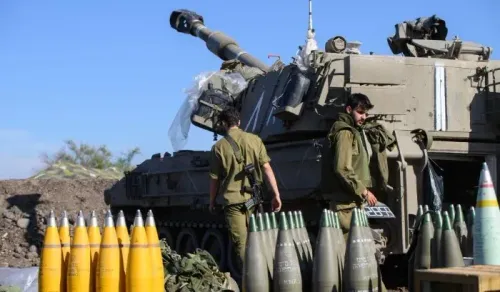
Israel wants to retain the right to conduct air and ground operations against Hezbollah; Lebanon demands a full Israeli withdrawal and halt to strikes.
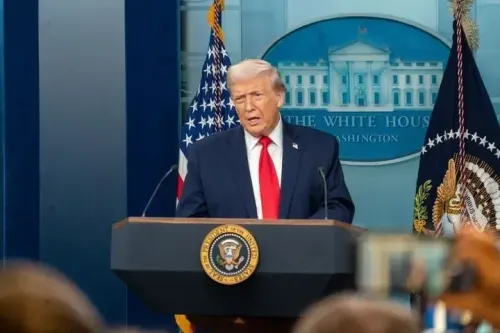
US President Donald Trump extended the ceasefire by three weeks on 24 April , paving the way for direct Washington talks.
PM Netanyahu ordered the IDF to 'vigorously attack' Hezbollah targets on 26 April , even as diplomacy continued.
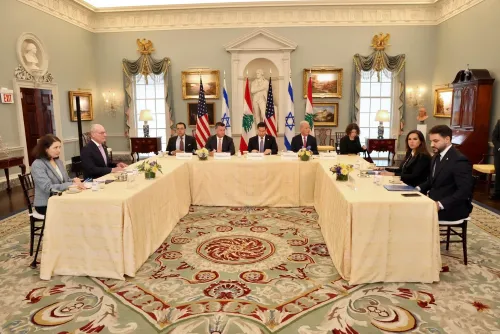
Israeli and Lebanese officials convened a third round of peace negotiations at the US State Department in Washington on Thursday, 14 May 2025, according to an Israeli government official who spoke on condition of anonymity. The talks are expected to continue into Friday, though it remains unclear whether the two sides have narrowed differences sufficiently to reach a breakthrough.
Who Is at the Table
Israel's delegation is led by its ambassador to Washington, Yechiel Leiter, alongside senior security officials. Lebanon is represented by its ambassador to Washington, Nada Hamadeh Mouawad, and former Lebanese Ambassador to the United States Simon Karam. The negotiations are being hosted at the US State Department, underscoring Washington's role as the primary mediator in the process.
What Each Side Wants
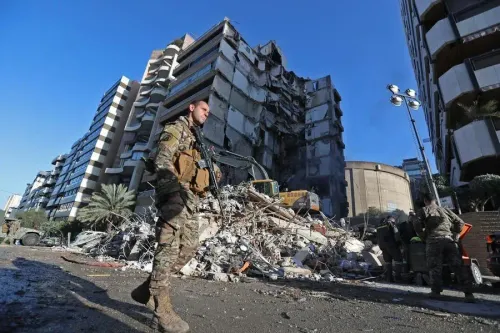
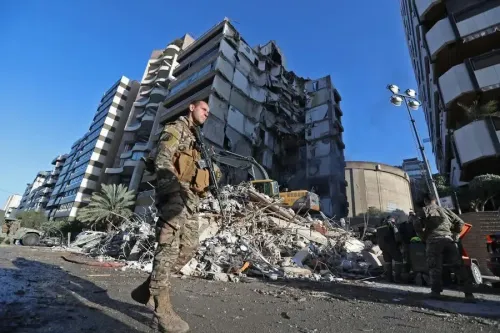
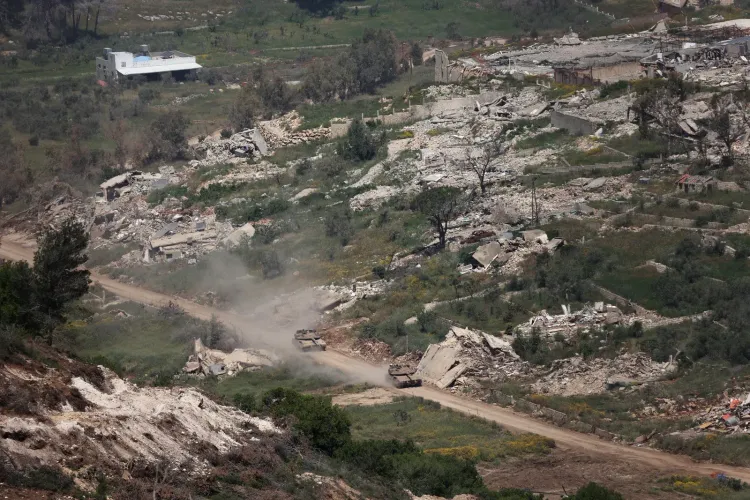
According to the Israeli official, the core objectives of the talks are the disarmament of Hezbollah and the establishment of formal diplomatic ties between Israel and Lebanon. However, the two sides remain far apart on key conditions. Israel is insisting on retaining the freedom to conduct air and ground operations against Hezbollah until a final agreement is in place. Lebanon, for its part, is demanding a full Israeli withdrawal from its territory, an immediate halt to Israeli strikes, and an end to the destruction of villages along the border.
Background: How the Current Conflict Escalated
The present round of hostilities reportedly began on 2 March, when Hezbollah fired rockets towards Israel. Since then, the Israel Defence Forces (IDF) have been regularly reporting aerial threats launched from Lebanese territory, while also claiming to have destroyed multiple rocket-launching sites and targeted Hezbollah infrastructure through the Israel Air Force.
Notably, on 26 April, Israeli Prime Minister Benjamin Netanyahu ordered the IDF to 'vigorously attack' Hezbollah targets in Lebanon, according to the Government Press Office of Israel — a move that complicated the diplomatic track even as ceasefire talks were under way.
Trump's Role and the Ceasefire Extension
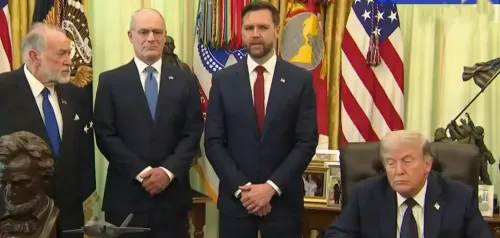
On 24 April, US President Donald Trump announced a three-week extension of the ceasefire between Israel and Lebanon, calling it a 'historic' step and signalling the possibility of direct talks between the two sides in Washington. The announcement followed an Oval Office meeting attended by senior officials from both countries, including Ambassador Mouawad and Ambassador Leiter. The Washington talks are a direct outgrowth of that diplomatic opening.
What Comes Next
The third round of talks carries significant weight, given that two previous rounds have yet to produce a formal agreement. Analysts note that the gap between Israel's insistence on operational freedom against Hezbollah and Lebanon's demand for a complete withdrawal represents a fundamental — not merely procedural — divide. How Washington manages that gap will determine whether these negotiations produce a durable framework or remain a holding pattern.
Point of View
And Lebanon is at the table while Hezbollah remains unrepresented and unbound. Trump's 'historic' framing of the ceasefire extension obscures how little the underlying positions have shifted. The real diplomatic test is not whether talks continue, but whether Washington is willing to apply pressure on Israel's operational-freedom demand — the single biggest obstacle to a Lebanese agreement. Without that, these rounds risk becoming a process that substitutes for progress rather than producing it.
NationPress
5 Oct 2026
Frequently Asked Questions
What is the third round of Israel-Lebanon talks about?
The third round of negotiations, held at the US State Department in Washington on 14 May 2025, is focused on the disarmament of Hezbollah and the establishment of formal diplomatic ties between Israel and Lebanon. The talks are being facilitated by the United States and are expected to continue into Friday.
Who is representing Israel and Lebanon at the Washington talks?
Israel is represented by its ambassador to Washington, Yechiel Leiter, and senior security officials. Lebanon's delegation includes Ambassador Nada Hamadeh Mouawad and former Lebanese Ambassador to the United States Simon Karam.
Why did the current round of fighting between Israel and Hezbollah begin?
The current round of hostilities reportedly began on 2 March, when Hezbollah fired rockets towards Israel. Since then, the IDF has reported regular aerial threats from Lebanese territory and has claimed to have struck multiple Hezbollah rocket sites and infrastructure.
What role has Donald Trump played in the Israel-Lebanon ceasefire?
US President Donald Trump announced a three-week ceasefire extension on 24 April, describing it as a 'historic' step. The announcement followed an Oval Office meeting with senior Israeli and Lebanese officials and directly led to the current round of Washington talks.
What are the main obstacles to an Israel-Lebanon agreement?
The central sticking points are Israel's insistence on retaining the freedom to conduct air and ground operations against Hezbollah until a deal is finalised, and Lebanon's demands for a full Israeli withdrawal from its territory, a halt to Israeli strikes, and an end to the destruction of border villages.